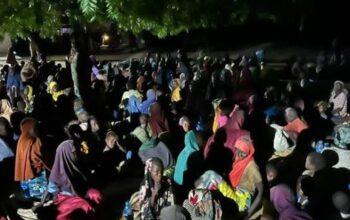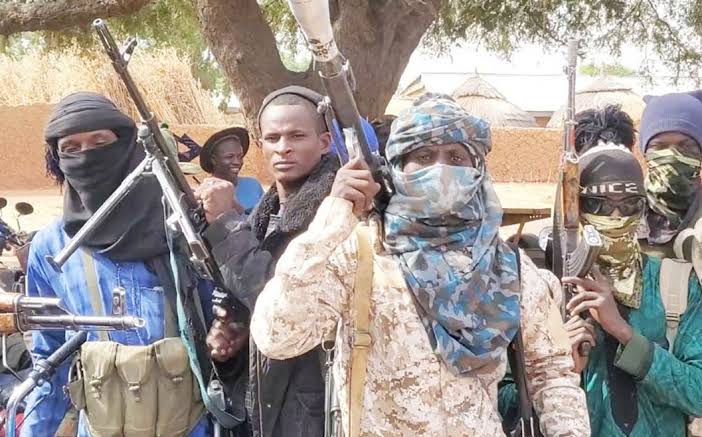
Recent developments have once again thrown a harsh spotlight on the fragile security situation in Northern Nigeria. In what many residents are describing as a deeply disturbing and calculated operation, suspected bandits carried out a late-night raid in Katari, a community in Kaduna State, abducting ten individuals. Among those taken were seven members of a single family, a detail that has intensified the emotional weight of the incident and left the community reeling.
The attack has not only reignited concerns about the safety of rural communities but has also raised serious questions about how such operations continue to occur despite ongoing security efforts. For many, this latest event is not just another headline but a painful reminder of the daily risks faced by people living in vulnerable regions.
A Night of Fear in Katari
The incident unfolded on the night of Thursday, April 2, 2026, in Unguwar Sabon Titi, a quiet settlement located along the Katari Hayin Dam axis in Kachia Local Government Area. Residents had settled into their evening routines, unaware of the danger that was about to descend upon them.
According to eyewitnesses and local accounts, the attackers arrived at approximately 9:32 PM. What made this raid particularly unsettling was the manner in which it was executed. Unlike many previous attacks in the region that are marked by loud gunfire and chaos, this operation was carried out with a level of silence and coordination that suggests careful planning.
Residents reported that the bandits moved through the community without firing shots, an unusual tactic that likely helped them avoid drawing immediate attention. This approach allowed them to reach their targets quickly and efficiently, leaving little time for resistance or escape.
Close to Authority, Yet Vulnerable
One of the most alarming aspects of the attack is its proximity to law enforcement. The area where the abductions took place is reportedly very close to the residence of the Divisional Police Officer in Katari. This detail has left many residents both shocked and frustrated.
For a community to be infiltrated so easily, especially within such a short distance from a police authority, raises difficult questions about the effectiveness of current security arrangements. It also highlights the growing boldness of these criminal groups, who appear increasingly undeterred by the presence of security personnel.
Many locals believe that the attackers were aware of the layout of the area and may have studied the movement patterns of security forces before striking. This level of awareness points to a worrying trend in which bandits are becoming more strategic in their operations.
Read more on:Obi Criticizes Tinubu’s Airport Visit as “Leadership Failure”
The Execution of the Raid
The attackers reportedly focused first on the home of the Amos family, where they abducted seven members in a swift and coordinated manner. The victims include Jummai Amos, Barnabas Amos, Iko Amos, Baby Amos, Eunice Amos, Eshiwan Amos, and Godwin Amos. Their sudden disappearance has left a deep void in the household and sparked widespread concern among neighbors.
After leaving the Amos residence, the bandits moved to a nearby compound where they abducted three more individuals. These victims have been identified as Bagudu Damisa, Evelyn Damisa, and Alfred Iriyo. In total, ten people were taken during the raid, each one representing a family now plunged into uncertainty and fear.
Interestingly, witnesses noted that the attackers only began firing into the air after they had moved the captives out of the immediate vicinity and toward the surrounding forest. This tactic is often used to discourage any attempts at pursuit and to signal their departure without risking interference during the operation itself.
A Community in Shock
In the aftermath of the attack, the atmosphere in Katari has been described as tense and heavy. Residents are struggling to come to terms with what has happened, and many are expressing fears about what might come next.
For families in the area, the incident has disrupted any sense of normalcy. Parents are worried about the safety of their children, and community members are questioning whether they can truly rely on existing security measures. The emotional toll is evident, with many residents speaking of sleepless nights and constant anxiety.
One resident, who chose to remain anonymous, expressed deep frustration over the situation. According to them, the fact that such an operation could take place so close to a police officer’s residence is a clear indication that the community is losing ground in the fight against insecurity.
A Broader Pattern of Violence
This incident is not an isolated case but part of a larger pattern of violence that has been escalating in recent months. Across parts of Northern Nigeria and the Middle Belt, communities have faced repeated attacks, kidnappings, and other forms of violence.
Earlier in the year, several areas experienced particularly severe incidents, including reports of mass killings and forced indoctrination in villages such as Woro and Kasuwan Daji. These events have contributed to a growing sense of unease and have placed additional pressure on security agencies to respond effectively.
Security analysts have pointed out that there appears to be a shift in the tactics used by these groups. While highway kidnappings were once the most common form of attack, there is now a noticeable move toward targeted invasions of communities. These operations often involve careful planning, reconnaissance, and an understanding of local security dynamics.
Such changes suggest that the groups involved are adapting and evolving, making it more challenging for authorities to predict and prevent their actions.
Read more on: Double Blow to Northern Nigeria: Chief of Staff Survives Ambush While Plateau Faces Renewed Killings
Ongoing Security Efforts
In response to the Katari incident, security agencies in Kaduna State have initiated a search and rescue operation. Reports indicate that operatives are currently combing nearby forests in an effort to locate the abducted individuals and track down those responsible.
While these efforts are ongoing, there is a sense of urgency among residents who are hoping for swift action. The longer the victims remain in captivity, the greater the risk to their safety, and the more difficult it may become to secure their release.
The government’s earlier initiative, known as Operation Savanna Shield, was launched to address similar threats in the region. However, incidents like this one suggest that more needs to be done to strengthen its impact and adapt to the changing tactics of criminal groups.
The Human Cost
Beyond the statistics and security discussions, the true impact of this attack lies in the human stories behind it. Each of the ten abducted individuals has a family, a role within their community, and a life that has been abruptly disrupted.
For the Amos family in particular, the loss is especially profound. With seven members taken at once, the household has been left in a state of devastation. Neighbors and extended family members are rallying around those affected, offering support where they can, but the uncertainty surrounding the victims’ fate continues to weigh heavily.
The Damisa family and others connected to the abducted individuals are also facing similar anguish. The emotional strain of waiting for news, coupled with the fear of what might happen, is something that words can hardly capture.
A Call for Vigilance and Action
As the situation continues to unfold, there is a growing call for increased vigilance within communities and more robust action from authorities. Residents are being encouraged to strengthen local watch systems, share information, and remain alert to unusual activities.
At the same time, there is a clear expectation that security agencies will intensify their efforts and implement more effective strategies to protect vulnerable areas. The need for collaboration between communities and law enforcement has never been more apparent.
This incident serves as a stark reminder that for many Nigerians living in high risk areas, daily life is shaped by concerns about safety and survival. It is a reality that extends beyond headlines and into the lived experiences of countless families.
As the people of Katari wait for updates and hope for the safe return of their loved ones, the broader question remains how many more communities will have to endure similar tragedies before lasting solutions are found.
Read more on:
- Nation on Edge: Tinubu Redirects Visit to Plateau as UNIJOS Orders Urgent Student Evacuation
- Iran Issues Stark Warning to U.S. Tech Firms as Conflict Enters Dangerous New Phase
- Governor Sanwo-Olu Launches 2026 Budget of Shared Prosperity, Focuses on Growth and Infrastructure
- El-Rufai in Fresh Legal Developments as Courts Adjourn Bail, Allow Suit Withdrawal