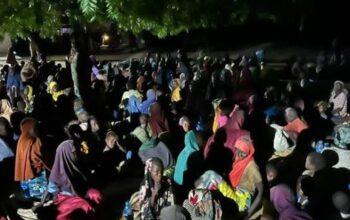
As Christians across the world prepare to mark Easter, a season traditionally associated with hope, renewal, and spiritual reflection, many communities in Northern Nigeria are instead grappling with fear, grief, and uncertainty. The Northern Christian Association, which serves as the regional arm of the Christian Association of Nigeria, has issued a deeply emotional and strongly worded statement expressing concern over the persistent violence affecting Christian communities, particularly during significant religious periods.
The message, jointly signed by the Chairman of the forum, Reverend Joseph John Hayab, and the Secretary General, Bishop Mohammed Naga, paints a troubling picture of life in parts of the North. According to the leaders, what should be a time of celebration has once again been overshadowed by insecurity, with many believers forced to observe the holy season in mourning rather than joy.
They emphasized that this pattern is not new. Instead, it has become a recurring reality that continues to erode the confidence of citizens and weaken the sense of safety that is supposed to accompany such sacred observances. The statement called attention to the emotional toll on families and communities who have repeatedly had their celebrations disrupted by violence.
Read more on: Minister of State for Labour Onyejeocha Nkeiruka Exits Tinubu Cabinet
Recurring Violence During Sacred Periods Sparks Concern
A central theme of the statement is what the association described as a predictable cycle of attacks that seem to coincide with important moments in the Christian calendar. The leaders highlighted several incidents that occurred during the 2026 Lenten season, reinforcing their claim that these acts are not isolated but part of a disturbing trend.
One of the most recent incidents took place on Palm Sunday, March 29, in parts of Kaduna State. According to reports referenced by the association, violent attacks were carried out in some communities, leading to the loss of lives and the displacement of several families. The timing of the incident, occurring at the very beginning of Holy Week, made the tragedy even more painful for those affected.
The situation in Plateau State was also brought into sharp focus. The association condemned the killings in Jos North and surrounding areas, describing the aftermath as one of deep and ongoing sorrow. Instead of preparing for Easter celebrations, many families in the region are reportedly dealing with loss and trauma. The leaders noted that entire communities have been thrown into a state of mourning, with little time or space to recover before facing new threats.
Read more on: Seven Family Members Among Ten Abducted in Katari Attack
Beyond Kaduna and Plateau, the statement pointed to a broader climate of insecurity affecting other states in Northern Nigeria. Places such as Benue, Borno, Niger, and Taraba were mentioned as areas where incidents of abduction, killings, and displacement continue to occur. According to the association, the spread of violence across multiple regions has created a sense of widespread vulnerability.
The leaders expressed concern that these repeated attacks are gradually becoming normalized. They warned that when violence becomes a routine part of life, it not only damages communities but also undermines trust in institutions responsible for maintaining security. For many residents, the fear is no longer just about isolated incidents but about the possibility that such events could happen at any time, even during the most sacred periods of the year.
Calls for Vigilance and Stronger Security Measures
In light of what they described as insufficient protection from existing security arrangements, the Northern Christian Association adopted a more urgent tone in its message this year. While the organization has traditionally encouraged prayer and peaceful engagement, it also stressed the importance of vigilance and personal safety.
The leaders urged community members to remain alert and take proactive steps to protect themselves and their surroundings. Although they did not explicitly advocate for armed resistance, their message reflected a growing frustration with what they see as delayed or inadequate responses from security agencies during attacks. The emphasis was placed on lawful self protection, community awareness, and coordinated local efforts to respond quickly in times of danger.
This call for vigilance reflects a broader sentiment among affected communities that more needs to be done to ensure their safety. The association highlighted the need for faster response times from security forces and better intelligence gathering to prevent attacks before they occur. They argued that without significant improvements, the cycle of violence could continue unchecked.
At the same time, the Federal Government has sought to reassure citizens that steps are being taken to address the situation. In his Easter message, President Bola Ahmed Tinubu acknowledged the security challenges and reiterated his administration’s commitment to protecting lives and property. Following a recent visit to Jos, where he met with victims and community leaders, the President outlined several measures aimed at strengthening security in vulnerable areas.
Among these measures is the planned deployment of advanced surveillance technology, including thousands of digital cameras supported by artificial intelligence systems. These tools are expected to enhance monitoring and improve the ability of security agencies to respond to threats in real time. Plateau State, which has experienced repeated incidents of violence, is expected to be one of the primary beneficiaries of this initiative.
The President also spoke about increased collaboration with international partners. According to him, Nigeria is receiving additional support to combat terrorism and banditry, with the goal of delivering decisive results. This cooperation is expected to provide both technical assistance and strategic support to ongoing security operations.
Further reinforcing these efforts, the Minister of Defence, Mohammed Badaru Abubakar, recently visited military operations in the North East. During his visit, he commended the efforts of troops on the ground and assured them of continued support in terms of equipment and resources. The government has expressed confidence that these combined efforts will help restore stability to affected regions.
In addition to these measures, the Nigeria Security and Civil Defence Corps has announced a nationwide security operation aimed at ensuring a peaceful Easter celebration. The Commandant General, Ahmed Abubakar Audi, has authorized the deployment of 57,000 personnel across the country. These officers are tasked with protecting critical infrastructure, monitoring public spaces, and ensuring the safety of places of worship.
Specialized units within the corps, including intelligence teams and operational squads, have been placed on high alert. Their role will be to gather information, respond quickly to emerging threats, and work alongside other security agencies to maintain order. The scale of this deployment reflects the seriousness with which authorities are treating the current situation.
Read more on: Obi Criticizes Tinubu’s Airport Visit as “Leadership Failure”
Holding on to Faith in Difficult Times
Despite the challenges and the heavy atmosphere described in their statement, the leaders of the Northern Christian Association sought to end their message on a note of hope. They reminded believers that the essence of Easter lies in the message of resurrection, renewal, and victory over adversity.
According to Reverend Hayab and Bishop Naga, this message remains relevant even in the face of hardship. They encouraged Christians to remain steadfast in their faith and to draw strength from their spiritual convictions. While acknowledging the pain and uncertainty experienced by many, they urged communities not to give in to fear or despair.
The leaders emphasized the importance of unity and resilience, calling on individuals and communities to support one another during this difficult period. They also reiterated the need for continued prayer, not only for personal safety but also for peace and stability across the nation.
For many in Northern Nigeria, this Easter will be marked by mixed emotions. While the celebrations may be subdued in some areas, the underlying message of hope continues to resonate. The call from religious leaders, combined with promises of action from the government, reflects a shared desire to move beyond the current challenges toward a more secure and peaceful future.
As the country navigates this complex situation, the coming weeks will be critical in determining whether these assurances translate into tangible improvements. For now, communities remain watchful, holding on to their faith while hoping for meaningful change.
Read more on:
- Nation on Edge: Tinubu Redirects Visit to Plateau as UNIJOS Orders Urgent Student Evacuation
- Iran Issues Stark Warning to U.S. Tech Firms as Conflict Enters Dangerous New Phase
- Governor Sanwo-Olu Launches 2026 Budget of Shared Prosperity, Focuses on Growth and Infrastructure
- El-Rufai in Fresh Legal Developments as Courts Adjourn Bail, Allow Suit Withdrawal