April 4, 2026 brought yet another painful reminder of the persistent insecurity troubling Nigeria’s Middle Belt, as fresh violence erupted in Nasarawa Local Government Area of Nasarawa State. The quiet rural communities of Akyawa and Udege Kasa were thrown into chaos in the early hours of Friday when armed attackers descended on them in what authorities have described as a calculated reprisal assault. What should have been a peaceful morning filled with the routine of farm life quickly turned into a scene of fear, destruction, and loss.
Residents recall being jolted awake by the sudden eruption of gunshots, followed by the ominous glow of flames spreading across their homes. Within a short time, panic spread as families scrambled for safety, fleeing into nearby bushes and neighboring settlements. By the time the attackers retreated and the violence subsided, the scale of devastation had become clear. At least 11 people had lost their lives, while more than 50 houses were reduced to ashes, leaving entire families without shelter or possessions.
Authorities have indicated that the attack was not random but rather part of an ongoing cycle of retaliation. According to reports from the Nasarawa State Police Command, the violence was allegedly triggered by the killing of two individuals believed to be connected to the attackers earlier in the week. In what appears to be a pattern of vengeance, the perpetrators reportedly targeted the affected communities in a bid to settle scores. This pattern of tit for tat violence has become a recurring issue in several parts of the Middle Belt, where long standing disputes often escalate into deadly confrontations.
Among the hardest hit was Akyawa community, which suffered extensive destruction. Eyewitness accounts suggest that nearly all the houses in parts of the settlement were set ablaze, with about 50 homes completely destroyed. Families who had spent years building their lives in the area suddenly found themselves with nothing, forced to watch as their homes and belongings were consumed by fire. In Udege Kasa, although the scale of destruction was slightly less severe in terms of property, the community still endured significant loss, including lives and the destruction of at least two houses.
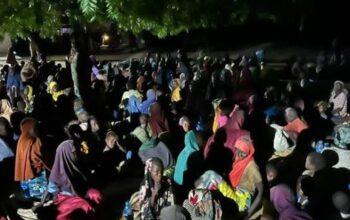
The human toll of the attack extends far beyond the number of casualties. Behind each statistic lies a story of grief and displacement. Survivors are now grappling with the trauma of losing loved ones, while many others are left without a place to sleep or a means to sustain themselves. Several families have reportedly taken refuge in neighboring towns, joining a growing population of internally displaced persons in the region. The strain on host communities and local resources is expected to increase as more people seek safety away from their homes.
Local residents have expressed frustration and concern over what they perceive as a slow or inadequate security response. Some community members claim that suspicious movements had been noticed in nearby areas prior to the attack. According to these accounts, groups of unfamiliar individuals were seen passing through neighboring settlements in the days leading up to the incident. These observations have raised questions about whether earlier intervention could have prevented the tragedy or at least reduced its impact.
The situation is further complicated by the fact that this latest attack occurred shortly after another violent incident in a nearby village known as Sabon Gida, also referred to as Gidan Ada Ogiri. That attack reportedly took place just 48 hours earlier, adding to the sense that the region is caught in a dangerous cycle of escalating violence. For many residents, the recurrence of such incidents has created an atmosphere of constant fear and uncertainty, where the threat of another attack always feels imminent.
Read more on: Iran Declines U.S. 48-Hour Ceasefire Proposal Amid Rising Tensions
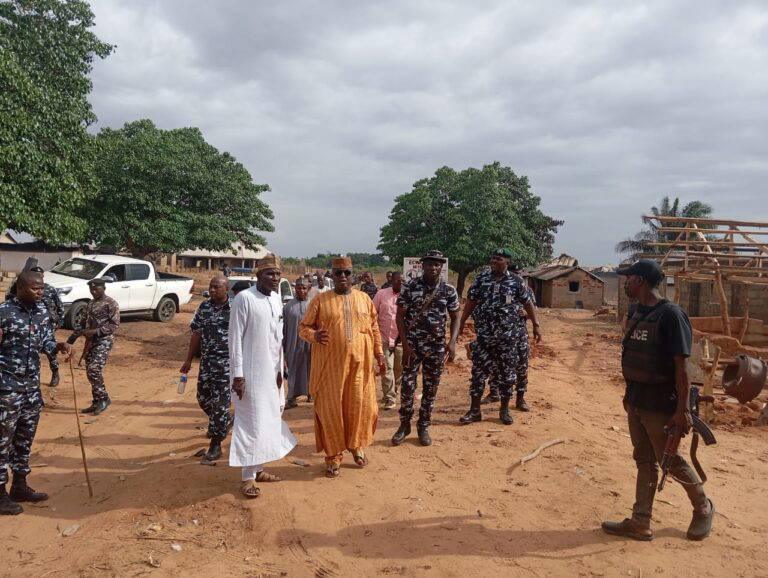
In response to the crisis, the Nasarawa State Commissioner of Police, CP Shetima Jauro Mohammed, visited the affected communities to assess the situation firsthand. During his visit, he described the killings and destruction as both senseless and deeply tragic. He also met with local stakeholders in the Udege Development Area, where he called for calm and urged residents to avoid actions that could further inflame tensions. The police leadership has assured the public that efforts are underway to identify and apprehend those responsible for the attack.
Through the command’s spokesperson, SP Ramhan Nansel, the police emphasized their commitment to ensuring that justice is served. Authorities have pledged to carry out a thorough investigation and to bring the perpetrators to account. According to the statement, no effort will be spared in tracking down those involved in the violence, with the aim of preventing similar incidents in the future.
To stabilize the situation and deter further attacks, a joint security deployment has been initiated. Personnel from the Nigeria Police Force, the military, and the Nigeria Security and Civil Defence Corps have been stationed in and around the affected communities. Their presence is intended to reassure residents and maintain order, although it also highlights the fragile nature of the current peace. While officials have stated that calm has been restored, many locals remain wary, unsure of how long the relative quiet will last.
Beyond the immediate destruction, the attack carries serious implications for the region’s economic and social stability. Udege Kasa and its surrounding areas are known for their agricultural activities as well as local mining operations. With the farming season already underway, the displacement of farmers poses a significant threat to food production. Many residents who depend on agriculture for their livelihoods are now unable to access their land, raising concerns about potential shortages and rising food prices in the months ahead.
Read more on: APC Pressures INEC to Deregister ADC
The displacement crisis is another pressing issue. Hundreds of individuals have been forced to abandon their homes, often with little more than the clothes they were wearing at the time of the attack. These displaced persons now rely on the goodwill of neighboring communities, which are themselves facing economic challenges. The influx of displaced families is expected to put additional pressure on already limited resources such as food, shelter, and healthcare.
The broader regional context adds to the gravity of the situation. The Nasarawa attack comes on the heels of another major incident in Plateau State, where dozens of people were killed in a mass shooting in Angwan Rukuba. The proximity in timing and location of these events has heightened fears that violence could spread further across the Middle Belt. Observers worry that without decisive intervention, isolated incidents could evolve into a wider pattern of instability affecting multiple states.
Political leaders have begun to voice their concerns more strongly. Honorable Onarigu Onah Kana, who represents the Udege and Loko constituency, described the situation as unacceptable and called for a shift in strategy. He emphasized the need for proactive measures, particularly intelligence driven security operations, rather than reactive responses after attacks have already occurred. His remarks reflect a growing sentiment among both leaders and citizens that a more effective approach is needed to break the cycle of violence.
As the affected communities begin the difficult process of recovery, the immediate priorities remain clear. Survivors need urgent humanitarian assistance, including shelter, food, and medical care. At the same time, there is a pressing need for long term solutions that address the root causes of the conflict. Without meaningful intervention, the risk of further reprisals remains high, and the cycle of violence is likely to continue.
For now, the people of Akyawa and Udege Kasa are left to mourn their losses and rebuild their lives in the shadow of uncertainty. The scars left by the attack will not fade quickly, and the memories of that early morning violence will linger for a long time. What remains to be seen is whether this tragedy will serve as a turning point or simply become another chapter in an ongoing story of conflict in the Middle Belt.
Read more on: