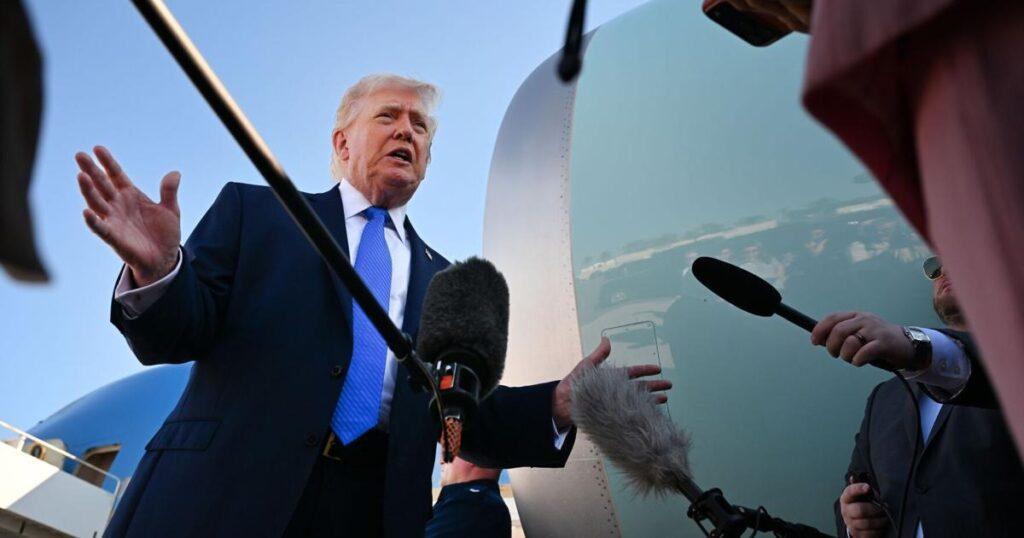
In a stunning turn of events that has eased global fears of a full-scale regional war, President Donald Trump has announced a temporary suspension of all ongoing and planned military strikes against Iran. The decision came just hours before a critical deadline that many analysts believed would trigger one of the most aggressive U.S. military campaigns in recent history.
The announcement marks a significant shift in tone after days of rising tension, escalating threats, and heightened military readiness across the Middle East. According to officials familiar with the situation, the suspension will last for an initial period of two weeks and is intended to create space for urgent diplomatic negotiations aimed at preventing further escalation.
A Last-Minute Diplomatic Intervention
The breakthrough did not come easily. Behind the scenes, intense diplomatic efforts were underway involving multiple international actors. Among them, Pakistan emerged as a key mediator, playing a central role in bringing both sides back from the brink.
President Trump publicly acknowledged the efforts of Pakistan’s leadership, specifically Prime Minister Shehbaz Sharif and Field Marshal Asim Munir, for facilitating communication between Washington and Tehran at a critical moment. Their involvement helped establish a framework for dialogue that both parties found acceptable, at least temporarily.
Sources indicate that Pakistan’s diplomatic channels were instrumental in conveying messages, clarifying positions, and reducing misunderstandings that could have otherwise led to immediate conflict. The decision to host upcoming negotiations in Islamabad further underscores Pakistan’s role as a neutral ground for high-stakes discussions.
Read more on: Dangote Petroleum Sparks Fuel Surge: Petrol at ₦1,275, Diesel at ₦1,950
Talks Set to Begin in Islamabad
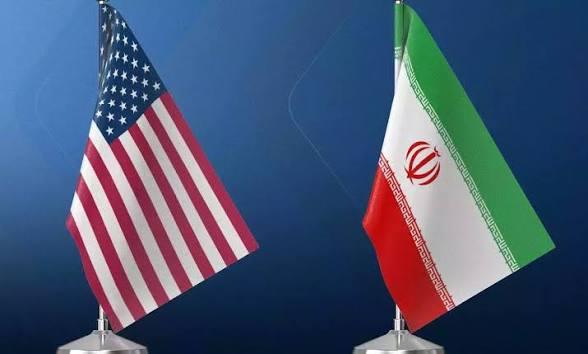
As part of the agreement, direct negotiations between U.S. and Iranian representatives are scheduled to commence in Islamabad within days. This marks a rare instance of direct engagement between the two nations, whose relations have been strained for decades.
The talks are expected to focus on a wide range of issues, including nuclear concerns, regional security, maritime access, and economic sanctions. Both sides are reportedly approaching the negotiations with cautious optimism, though significant differences remain.
Central to the discussions is a comprehensive proposal submitted by Iran. The document, described by U.S. officials as a multi-point framework for peace, outlines potential pathways toward de-escalation and long-term stability in the region. While the exact details have not been made public, insiders suggest that it includes provisions related to nuclear oversight, sanctions relief, and guarantees for maritime security.
President Trump, who had previously dismissed similar proposals, indicated that this new plan presents a workable foundation for further negotiation. His shift in tone suggests a willingness to explore diplomatic solutions, at least for the duration of the temporary ceasefire.
Conditions for the Pause
The two-week suspension is not without conditions. One of the primary requirements set by the United States is the immediate and safe reopening of the Strait of Hormuz, a critical waterway through which a significant portion of the world’s oil supply passes.
The Strait has been a major point of contention in recent weeks, with disruptions raising concerns about global energy security and economic stability. The U.S. has made it clear that ensuring free and secure passage through this route is non-negotiable.
Iran, for its part, has signaled a willingness to cooperate on this issue during the negotiation period. Officials in Tehran have indicated that they will facilitate safe maritime transit and suspend any actions that could hinder shipping activity in the region.
Read more on: Trump Warns of Civilizational Destruction as Iran Deadline Approaches
Trump Frames Decision as Strategic Success
In his public remarks, President Trump emphasized that the decision to halt military operations should not be interpreted as a retreat. Instead, he framed it as the result of a successful campaign that had already achieved its primary objectives.
Speaking to reporters and through official statements, he asserted that U.S. forces had met and exceeded their goals, placing the country in a strong position to negotiate from a position of strength. He described the development as a major victory and expressed confidence that a lasting peace agreement could be reached.
The President also suggested that critical issues, including concerns about Iran’s nuclear capabilities, were being addressed as part of the ongoing diplomatic process. While specific details remain unclear, his comments indicate that the administration views the current pause as a strategic opportunity rather than a concession.
Mixed Reactions Across the Globe
The international response to the announcement has been a mixture of relief and cautious skepticism. Financial markets reacted quickly, with oil prices experiencing a noticeable drop as fears of supply disruptions eased. However, analysts warn that the situation remains fragile and could change rapidly if negotiations falter.
In Iran, officials have presented the development as a victory against external pressure. Statements from the Supreme National Security Council characterized the pause as evidence of resilience and effective resistance. Iranian leaders have maintained that their actions forced the United States to reconsider its approach.
Foreign Minister Seyed Abbas Araghchi confirmed that Iran would scale back its defensive military posture during the negotiation period. He also reiterated the country’s commitment to ensuring safe passage through the Strait of Hormuz, at least for the duration of the talks.
In Israel, the response has been more subdued. While there has been no formal statement from Prime Minister Benjamin Netanyahu’s office, reports suggest that Israeli forces remain on high alert. The country has been closely aligned with U.S. operations in the region and is likely monitoring developments with a degree of caution.
Read more on: Kebbi Assembly Speaker Muhammad Usman Zuru Dies in Cairo After Prolonged Illness
Key Issues on the Table
As negotiations approach, several critical issues are expected to dominate discussions. Among them is Iran’s previous demand to impose transit fees on vessels passing through the Strait of Hormuz, potentially payable in Chinese Yuan. This proposal has been a major source of tension and will likely be a focal point in the upcoming talks.
Other areas of concern include nuclear transparency, regional influence, and the future of economic sanctions. Both sides will need to navigate these complex topics carefully if they hope to reach a lasting agreement.
Experts note that while the current pause provides an opportunity for dialogue, it also comes with significant challenges. Trust between the two nations remains low, and any misstep could quickly derail the process.
A Fragile Window for Peace
Military analysts have emphasized that the current situation is best described as a pause rather than a resolution. U.S. forces in the region remain fully deployed, including carrier strike groups and advanced bomber units. There has been no indication of a broader withdrawal, suggesting that military options remain firmly on the table.
This reality adds urgency to the upcoming negotiations. The two-week window is seen as a critical period during which both sides must make meaningful progress. Failure to do so could result in a rapid return to hostilities.
The concept of a “double-sided ceasefire” highlights the delicate balance currently in place. Both nations have agreed to step back temporarily, but neither has committed to a long-term de-escalation without concrete outcomes from the talks.
Read more on: FG Sets Aside ₦135 Billion for 2027 Election Legal Disputes
What Comes Next
Looking ahead, the focus will shift to Islamabad, where diplomats and officials will attempt to translate this temporary pause into a more durable agreement. The stakes could not be higher, as the outcome will have far-reaching implications for regional stability and global security.
Observers will be watching closely for signs of progress, as well as any indications of renewed tension. The next two weeks will likely be filled with intense negotiations, strategic calculations, and ongoing uncertainty.
For now, the immediate threat of widespread conflict has been averted. The sounds of sirens and military alerts have given way to cautious optimism, though few are willing to declare the crisis over.
The coming days will determine whether this moment represents a genuine turning point or merely a brief pause in a longer and more complex confrontation.
Read more on:
- ADC Faces Existential Crisis as INEC Issues 72-Hour Ultimatum
- Bloodshed on Easter Sunday as Gunmen Strike Kaduna Community
- Man Arrested for Burning His Father Alive in Kazaure
- Minister of State for Labour Onyejeocha Nkeiruka Exits Tinubu Cabinet
- INEC’s Voter Revalidation Plan Sparks Nationwide Political Tension
- 11 Killed, Dozens of Homes Destroyed in Deadly Reprisal Attack