On a night when the Parc des Princes was illuminated by anticipation and elite European football, one of the sport’s most iconic figures remained unexpectedly absent from the action. Mohamed Salah, Liverpool’s talisman and one of the most feared attackers in world football, watched from the sidelines for the entire duration of the club’s Champions League quarter final first leg against Paris Saint Germain.
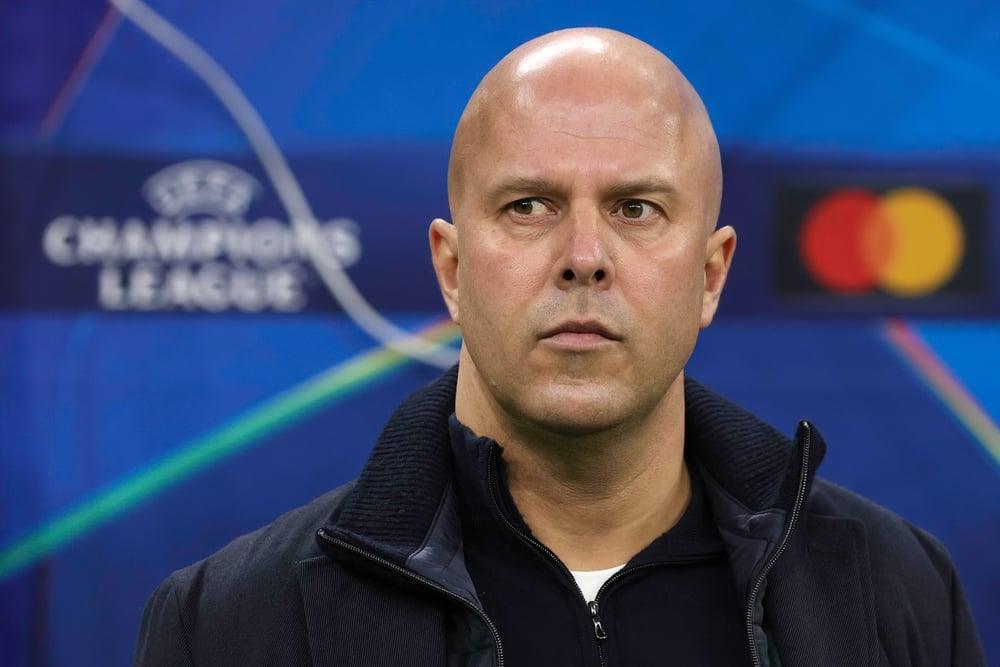
The decision by Liverpool manager Arne Slot not to introduce Salah at any point during the match has sparked widespread debate among fans, analysts, and former players. For many, leaving a player of Salah’s caliber unused in such a crucial fixture seemed almost unthinkable. Yet Slot has firmly defended his choice, insisting that it was not only deliberate but necessary under the circumstances.
Liverpool ultimately suffered a 2 0 defeat against the reigning European champions, a result that leaves them with a significant challenge heading into the return leg at Anfield. Despite the disappointment, Slot’s post match comments revealed a manager who believed his approach was rooted in realism rather than risk.
A Night Defined by Caution and Control
From the opening minutes, it became clear that Liverpool were not approaching the match in their usual aggressive and high intensity style. Instead of pressing high and attacking with confidence, they adopted a far more cautious approach, focusing on defensive organization and limiting the damage against a PSG side brimming with attacking talent.
Paris Saint Germain dominated possession and dictated the tempo of the game, forcing Liverpool into long periods without the ball. The French side’s fluid attacking movement and pace on the flanks created constant pressure, leaving Liverpool with little opportunity to build sustained attacks of their own.
In such a scenario, Slot made the decision to prioritize defensive solidity over attacking ambition. This tactical shift was evident in his team selection, with players chosen specifically for their ability to track back, close spaces, and withstand PSG’s relentless forward play.
Read more on: PSG Dominate Liverpool to Secure Commanding 2–0 Victory
Slot Explains the “Survival” Approach
Speaking after the match, Slot did not shy away from describing the situation in blunt terms. He emphasized that Liverpool were not in a position to play an open game against a team of PSG’s quality, especially given their recent form and physical condition.
According to the Liverpool manager, the latter stages of the match were less about chasing a goal and more about avoiding further damage. He explained that introducing Salah into such a scenario would have required the forward to take on extensive defensive responsibilities, something that would not have suited either the player or the team’s immediate needs.
Slot pointed out that Salah’s strengths lie in his attacking instincts, his movement, and his ability to exploit spaces in the final third. Asking him to spend extended periods defending deep inside Liverpool’s own half would have limited his effectiveness and potentially exposed the team further.
Rather than risking that imbalance, Slot chose to preserve Salah’s energy for upcoming matches, particularly the decisive second leg at Anfield. It was a decision that reflected a broader strategic outlook rather than a narrow focus on a single game.
Tactical Adjustments and Defensive Priorities
One of the most notable aspects of Liverpool’s setup was the use of Jeremie Frimpong in a more defensive role. Tasked with dealing with the threat posed by PSG’s dynamic full backs, Frimpong was required to prioritize defensive duties over attacking contributions.
PSG’s wide players, including Achraf Hakimi and Nuno Mendes, repeatedly pushed forward and created overloads in wide areas. Liverpool’s response was to drop deeper and form a compact defensive structure designed to absorb pressure and limit clear scoring opportunities.
In this context, Slot suggested that traditional wingers like Salah might have struggled to adapt to the demands of such a system. The emphasis was on discipline, positioning, and collective defending rather than individual attacking brilliance.
While this approach helped prevent an even heavier defeat, it also meant that Liverpool offered very little going forward. Their attacking output was minimal, and they struggled to create any meaningful chances throughout the match.
Read more on: Simeone Outsmarts Flick as Atlético Madrid Defeat Barcelona
A Difficult Night Reflected in the Numbers
The statistics from the game underline the extent of PSG’s dominance. Liverpool managed just 30 percent possession and failed to register a single shot on target. For a club known for its attacking identity and ability to overwhelm opponents, these numbers were stark and unusual.
PSG capitalized on their control of the game with two well taken goals. Desire Doue opened the scoring in the first half, his effort taking a deflection that left the goalkeeper with little chance. The second goal came in the 65th minute, when Khvicha Kvaratskhelia produced a moment of individual brilliance to double the lead.
Despite falling behind, Liverpool did not significantly alter their approach. This decision has been one of the main points of criticism directed at Slot. Many have questioned why Salah was not introduced at that stage, when the team needed inspiration and attacking threat.
Slot, however, remained consistent in his reasoning. He argued that the nature of the game did not change simply because Liverpool were trailing. PSG continued to pose a constant threat on the counter attack, and opening up the game in search of a goal could have led to a heavier defeat.
Managing Salah’s Fitness and Long Term Impact
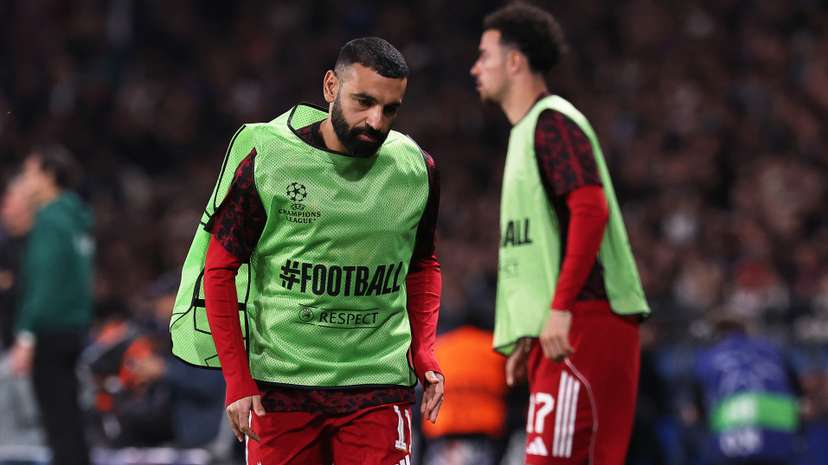
Another important factor in Slot’s decision was Salah’s physical condition. The Egyptian forward had recently experienced a muscular issue during Liverpool’s FA Cup defeat to Manchester City, a match in which he had to be substituted.
Given the intensity of Liverpool’s schedule and the importance of Salah to the team’s overall success, the coaching staff appears to be taking a cautious approach to his fitness. Slot indicated that Salah understood the reasoning behind the decision and accepted the need to prioritize long term availability over immediate involvement.
At 33, Salah remains a crucial figure for Liverpool, not just in terms of his goals and assists but also his leadership and experience. Managing his workload carefully is essential, especially during a period in which the team is competing on multiple fronts.
By keeping him out of a physically demanding and tactically restrictive game, Slot may have been aiming to ensure that Salah is in peak condition for the matches that matter most, including the return leg against PSG and key domestic fixtures.
Read more on: CAF President Arrives in Dakar Amid AFCON Title Controversy
Looking Ahead to Anfield
With a 2 0 deficit to overturn, Liverpool now turn their attention to the second leg at Anfield. While the challenge is significant, the club’s history in European competition offers reason for hope.
Anfield has been the stage for some of the most memorable comebacks in Champions League history. The energy of the crowd, combined with Liverpool’s ability to raise their level on big nights, creates an environment that few teams find comfortable.
Slot is expected to adopt a very different approach in the return leg, with Salah likely to play a central role. A more attacking setup will be necessary, as Liverpool look to score early and put pressure on PSG.
The outcome of the tie will ultimately determine how Slot’s decision in the first leg is judged. If Liverpool manage to overturn the deficit, his cautious approach in Paris may be seen as a calculated risk that paid off. If they fall short, questions about the decision to bench Salah will continue to linger.
A Decision That Divides Opinion
Football often presents managers with difficult choices, particularly at the highest level of competition. Slot’s decision to leave Salah on the bench has highlighted the fine line between caution and ambition.
Supporters and analysts remain divided. Some believe that the manager showed pragmatism by recognizing the limitations of his team on the night and acting accordingly. Others argue that a player of Salah’s quality should always be given the chance to influence such a crucial match, regardless of the circumstances.
What is clear is that the decision was not made lightly. It reflects a broader philosophy about managing resources, adapting to different situations, and thinking beyond a single result.
As Liverpool prepare for the decisive second leg, the focus will shift from debate to performance. The team will need to deliver a display that justifies the strategy employed in Paris.
For now, the question remains open. Did Arne Slot make the right call by prioritizing stability and long term planning, or did he miss an opportunity to change the course of the tie by keeping one of the world’s best players on the bench? The answer will unfold under the lights of Anfield, where Liverpool’s European destiny will be decided.
Read more on:
- Manchester City on Brink of Signing Elliot Anderson, Beating United to £65 Million Transfer
- Atlético Chief Slams VAR After Barcelona Defeat
- Arbeloa: Mbappé Fully Fit and Ready for Big Matches
- England Defender Conor Coady Suddenly Collapses
- Haaland Hat-Trick Fires Man City to Historic Eighth Straight FA Cup Semi-Final
- Osimhen Leads Super Eagles Against Ronaldo and Lewandowski in High-Stakes June Friendlies