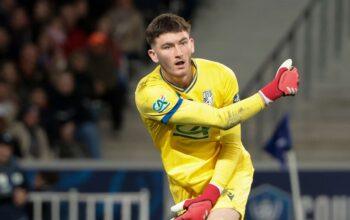
As the football world turns its gaze toward the highly anticipated 2026 FIFA World Cup in North America, the organization has taken a significant step in shaping the tournament’s officiating structure. Today, FIFA officially announced the full roster of referees and match officials who will be tasked with managing the tournament, which is set to be the largest in history, with 48 national teams competing across 104 games. Among the most notable appointments is a strong showing from the Netherlands, with three Dutch referees selected to join the elite panel, highlighting the country’s ongoing influence in the world of football officiating.
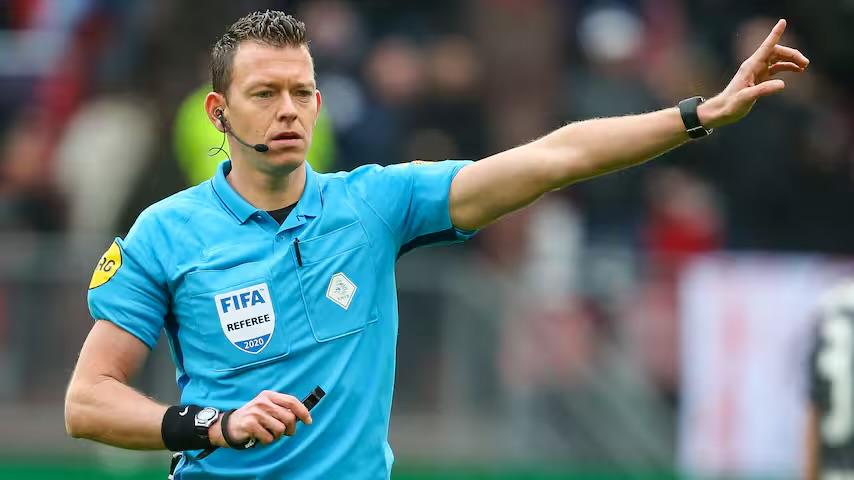
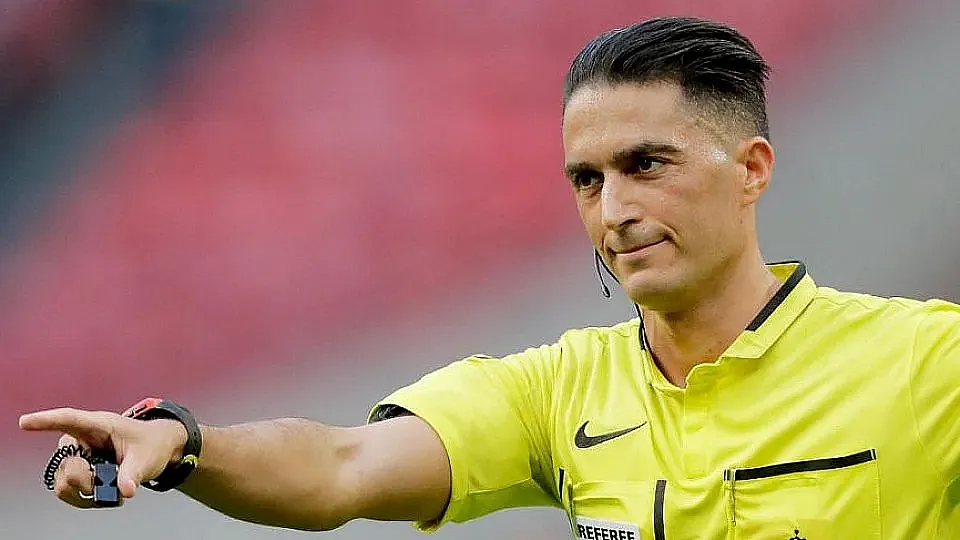
The Dutch refereeing contingent, often affectionately referred to as the “Orange Whistles,” will be led by veteran Danny Makkelie. Makkelie, who has been widely regarded as one of Europe’s finest referees over the past decade, brings both experience and authority to the 2026 tournament. He will be joined by Serdar Gözübüyük, a referee who has built a reputation for fairness and precision across domestic and continental competitions, and Allard Lindhout, a rising star within the UEFA Elite ranks whose rapid ascent has marked him as one of the most promising referees of his generation.
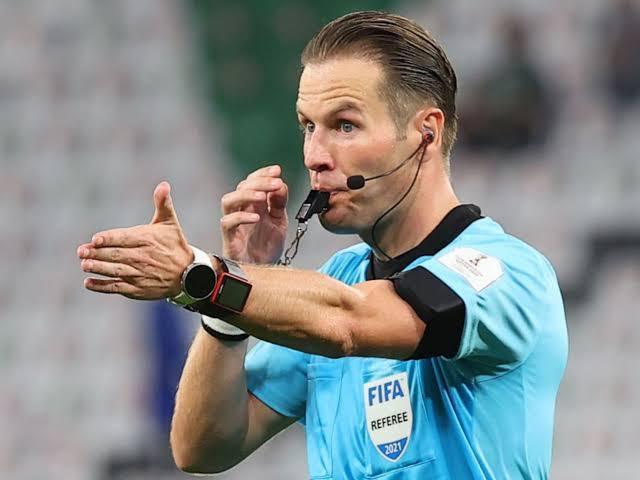
This appointment reflects FIFA’s commitment not only to technical excellence but also to the continued international prominence of Dutch refereeing. The Netherlands, through the KNVB (Royal Dutch Football Association), has consistently produced officials who are trusted to manage high-stakes matches across Europe. Makkelie’s presence at the tournament, marking his second World Cup appearance, is a testament to his skill and consistency. Having officiated in major competitions, including the UEFA Champions League and European Championship qualifiers, he brings a wealth of experience in handling pressure-filled environments.
Serdar Gözübüyük’s selection marks his World Cup debut, a milestone achieved after years of steadily rising through the ranks of European football officiating. Known for his meticulous attention to detail, his calm demeanor under pressure, and his ability to maintain control of highly charged matches, Gözübüyük’s inclusion signals FIFA’s confidence in his ability to perform on football’s biggest stage.
Read more on: Arne Slot Explains Why He Kept Salah on the Bench Against PSG
Allard Lindhout’s appointment is particularly noteworthy as it represents a recognition of emerging talent. Lindhout has impressed officials and observers alike with his ability to make quick, fair decisions in high-pressure environments. His rapid progression through UEFA’s elite referee development program demonstrates his potential to not only manage matches effectively but also to be a long-term asset to the international refereeing community. By including Lindhout, FIFA is signaling its intention to nurture the next generation of top-tier referees while maintaining the highest standards of officiating for the 2026 tournament.
Innovative Rules and Technology: A New Era of Officiating
The 2026 World Cup will also usher in a series of rule changes and technological innovations aimed at improving the flow, fairness, and viewer experience of the game. Among the most eye-catching of these changes is the introduction of referee-mounted body cameras. For the first time in World Cup history, lead officials will wear cameras that broadcast their perspective during matches. This initiative is intended to provide fans with a more immersive viewing experience, offering a firsthand look at the referee’s positioning, decision-making, and interactions with players.
In addition to body cameras, FIFA will implement strict timing measures to enhance the pace of the game. A five-second rule will be enforced for throw-ins and goal kicks, with referees instructed to issue yellow cards for deliberate delays beyond this period. Furthermore, substitution procedures will be closely monitored, with a ten-second limit on player changes designed to reduce downtime and maintain match momentum. These rules, while innovative, place additional responsibility on referees to manage both the technical and procedural aspects of the game efficiently. The Dutch trio will therefore need to demonstrate not only traditional officiating skills but also adaptability to these new demands.
Composition of the Refereeing Team
The 2026 World Cup will feature the largest group of match officials in FIFA history, with 52 on-field referees, 88 assistant referees, and 30 video assistant referees. This expanded structure is necessary to accommodate the tournament’s unprecedented scale and to ensure consistent officiating across 104 matches. Among the Dutch contingent, Makkelie will be supported by experienced assistant referees Hessel Steegstra and Jan de Vries. Their familiarity with his style and decision-making philosophy is expected to enhance coordination on the field and ensure smooth match management.
The broader officiating roster reflects FIFA’s global approach to selecting referees from across all confederations. Other notable appointments include England’s Michael Oliver and Anthony Taylor, both serving as referees with strong international experience, and China’s Ma Ning, who represents the growing presence of Asian officials in high-profile tournaments. The United States, as host nation, will field four referees supported by six assistant referees, further highlighting FIFA’s aim to balance local representation with international expertise.
Read more on: PSG Dominate Liverpool to Secure Commanding 2–0 Victory
Preparing for the World Stage
The Dutch refereeing team is expected to report for intensive training at the FIFA Refereeing Seminar in Miami, scheduled for the month preceding the tournament. This training will focus on physical conditioning, the integration of AI-assisted VAR technology, and familiarization with new procedural rules. Given the tournament’s unique demands, including multiple host cities across Mexico, the United States, and Canada, this preparation period is essential to ensure consistency and fairness in officiating across all matches.
For Danny Makkelie, the upcoming World Cup offers an opportunity to cement his legacy. While he performed admirably in Qatar 2022, some critics argued that key decisions could have been handled differently, and the 2026 tournament provides a chance to reaffirm his authority and judgment at the highest level. For Gözübüyük and Lindhout, participation in the World Cup is the culmination of years of dedication, perseverance, and professional growth. It represents a realization of lifelong ambitions to officiate on the sport’s largest stage, with the added pressure of adapting to new technologies and rules designed to enhance transparency and match flow.
Expectations and Challenges
The Dutch referees face a tournament that promises to test their abilities in unprecedented ways. The combination of expanded teams, a high number of matches, and the implementation of new timing rules and body-camera oversight will require meticulous attention to detail. Maintaining control of games in a high-pressure, global spotlight will challenge not only their technical skills but also their psychological resilience and stamina.
Observers anticipate that Makkelie’s experience will be crucial in guiding his team through these challenges. His ability to anticipate player behavior, manage conflicts on the pitch, and make split-second decisions under pressure has been well-documented. Similarly, Gözübüyük’s calm and composed style is expected to be an asset in matches with high tension or potential for player disputes. Lindhout’s inclusion ensures a blend of youth and innovation, allowing the team to remain dynamic and adaptable throughout the tournament.
Read more on: on: Simeone Outsmarts Flick as Atlético Madrid Defeat Barcelona
Historical Significance
The 2026 tournament itself is already historic, not only for its size but also for the innovations introduced in officiating and broadcasting. The use of body cameras and strict timing rules represents a marked departure from previous tournaments, reflecting FIFA’s commitment to both fan engagement and fairness on the field. The Dutch referees, therefore, are not just managing games—they are part of a pioneering effort to reshape the way football is experienced and officiated worldwide.
In addition, the global composition of the refereeing team underscores FIFA’s dedication to diversity and inclusivity. By selecting referees from multiple confederations and blending experience with emerging talent, the organization aims to create a panel that is capable, representative, and equipped to handle the unique challenges posed by a 48-team tournament.
Anticipation Builds Ahead of June 11 Kickoff
As the countdown to the opening matches continues, excitement is mounting across the three host nations. Mexico City, Toronto, and Los Angeles will all host opening fixtures, and the presence of elite referees, including the Dutch trio, ensures that the tournament will maintain high standards of officiating from the very first whistle. Fans, players, and officials alike will watch closely to see how the new rules and technologies impact the flow and fairness of matches, and whether the additional responsibilities placed on referees will affect decision-making under pressure.
For the Dutch referees, the stakes could not be higher. Every decision, from offside calls to managing player substitutions, will be under global scrutiny. The body-camera initiative, in particular, introduces a new level of visibility, allowing viewers to experience matches from the referee’s perspective. This innovation has the potential to change public perception of refereeing decisions, increase accountability, and provide a more immersive understanding of the challenges faced by match officials.
Read more on: CAF President Arrives in Dakar Amid AFCON Title Controversy
Conclusion
FIFA’s announcement today of the three Dutch referees joining the 2026 World Cup officiating team marks a significant moment both for the Netherlands and for the tournament as a whole. With the introduction of body cameras, strict timing regulations, and the largest panel of referees in history, the 2026 World Cup promises to be unlike any before it. The appointment of Danny Makkelie, Serdar Gözübüyük, and Allard Lindhout reflects a careful balance of experience, skill, and potential, highlighting the Netherlands’ ongoing influence in international football officiating.
As the world prepares for the kickoff on June 11, the Dutch referees, alongside their international colleagues, will carry the responsibility of ensuring fair, accurate, and engaging matches across North America. Fans and analysts alike will be watching not only the players but also the officials, whose decisions will shape the course of games, influence outcomes, and contribute to the legacy of the most ambitious World Cup in history.
With the combination of tradition, innovation, and international expertise, the refereeing team, led by the Dutch trio, stands ready to meet the challenges of the 2026 FIFA World Cup and demonstrate the critical role of referees in maintaining the integrity and excitement of the world’s most popular sport.
Read more on:
- Manchester City on Brink of Signing Elliot Anderson, Beating United to £65 Million Transfer
- Atlético Chief Slams VAR After Barcelona Defeat
- Arbeloa: Mbappé Fully Fit and Ready for Big Matches
- England Defender Conor Coady Suddenly Collapses
- Haaland Hat-Trick Fires Man City to Historic Eighth Straight FA Cup Semi-Final