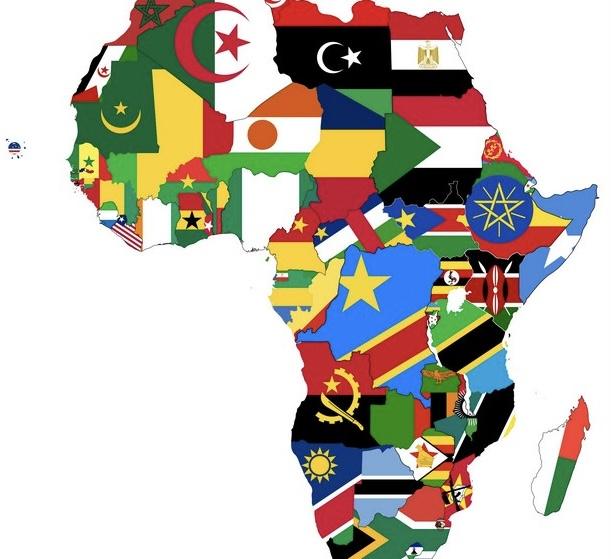
In the vibrant tapestry of African geography, names are rarely just labels; they are artifacts of history, echoes of migration, and markers of colonial or indigenous legacy. While many nations on the continent derived their names from local rivers (Nigeria, Gambia), ancient empires (Ghana, Mali), or geographical features (Cameroon’s “River of Shrimps”), a select group carries the names of real people—explorers, saints, kings, and traders who are no longer with us.
Today, we dive into the history books to look at seven African countries named after dead people and the fascinating stories behind how these names stuck.
Mauritius: A Dutch Prince’s Legacy
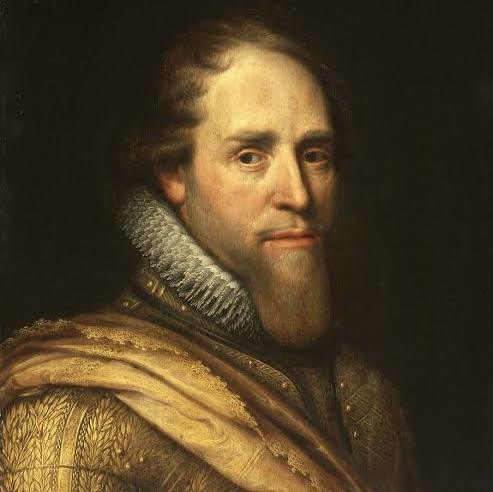
Located in the Indian Ocean, Mauritius has a history of changing names as often as it changed colonial hands. However, its modern name is a direct tribute to Prince Maurice of Nassau (Maurits van Oranje), the Stadtholder of the Netherlands in the late 16th century.
In 1598, a Dutch squadron landed on the uninhabited island and named it Prins Maurits van Nassaueiland. Although the French later renamed it Isle de France, the British reverted it back to Mauritius in 1810. Prince Maurice never set foot on the island, but his name remains the cornerstone of its identity.
Read more on: 12 Common Daily Mistakes That Can Make You Look Older
Mozambique: The Trader of the Island
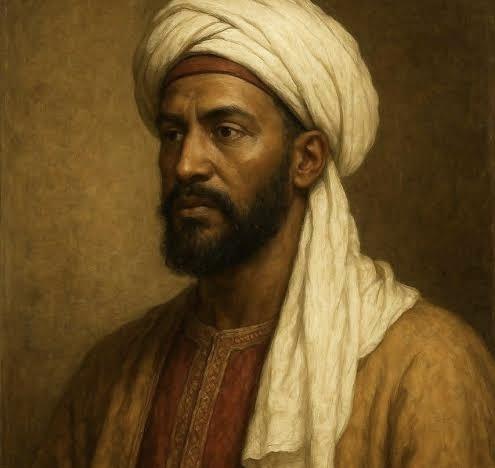
The name Mozambique is a fascinating example of how a single person’s reputation can define a whole region. It is named after Mussa Bin Bique (also referred to as Musa Al Bik), a wealthy Arab trader and local ruler.
The name Mozambique is a fascinating example of how a single person’s reputation can define a whole region. It is named after Mussa Bin Bique (also referred to as Musa Al Bik), a wealthy Arab trader and local ruler.
When the Portuguese explorer Vasco da Gama arrived in the late 15th century, Mussa Bin Bique was the influential shaykh of the Island of Mozambique. The Portuguese adopted his name to refer to the island, and eventually, it was applied to the entire mainland territory.
Read more on: Early Warning Signs of Diabetes Many People Overlook
Seychelles: The Finance Minister’s Honor
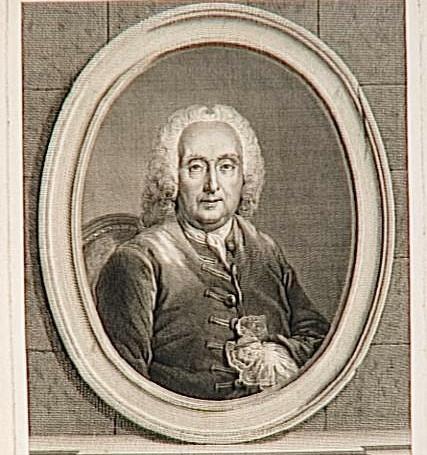
This archipelago of 115 islands is world-renowned for its beaches, but its name is rooted in 18th-century French politics. It is named after Jean Moreau de Séchelles, who served as the Minister of Finance under King Louis XV of France.
In 1756, France laid claim to the islands. Captain Nicholas Morphey named them Séchelles to curry favor with the powerful minister. Despite later British rule, the French spelling and name persisted, forever linking these tropical paradises to a French bureaucrat.
Read more on: Lassa Fever Outbreak Spreads Across Nigeria
Eswatini: The Great King Mswati II
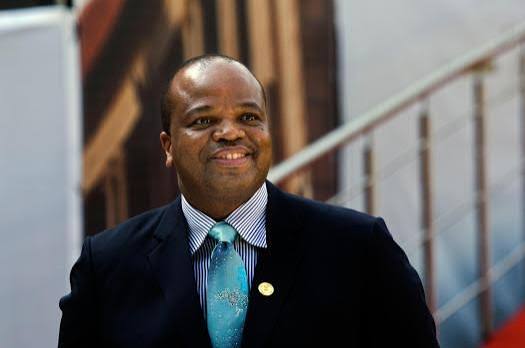
While many African nations are shedding colonial names to return to indigenous ones, Eswatini’s name is a direct homage to one of its greatest historical rulers: King Mswati II.
Known as the “greatest of the fighting kings” of the Swazi people, Mswati II ruled in the mid-19th century. He greatly expanded the kingdom’s territory and unified the various clans. In 2018, King Mswati III officially changed the country’s name from Swaziland to Eswatini (meaning “Land of the Swazis”) to honor the heritage established by his ancestor.
Read more on: Artemis II Astronauts Make Successful Return to Earth
São Tomé and Príncipe: A Saint and a Prince
This twin-island nation in the Gulf of Guinea gets its name from two very different figures: a biblical apostle and a Portuguese royal.
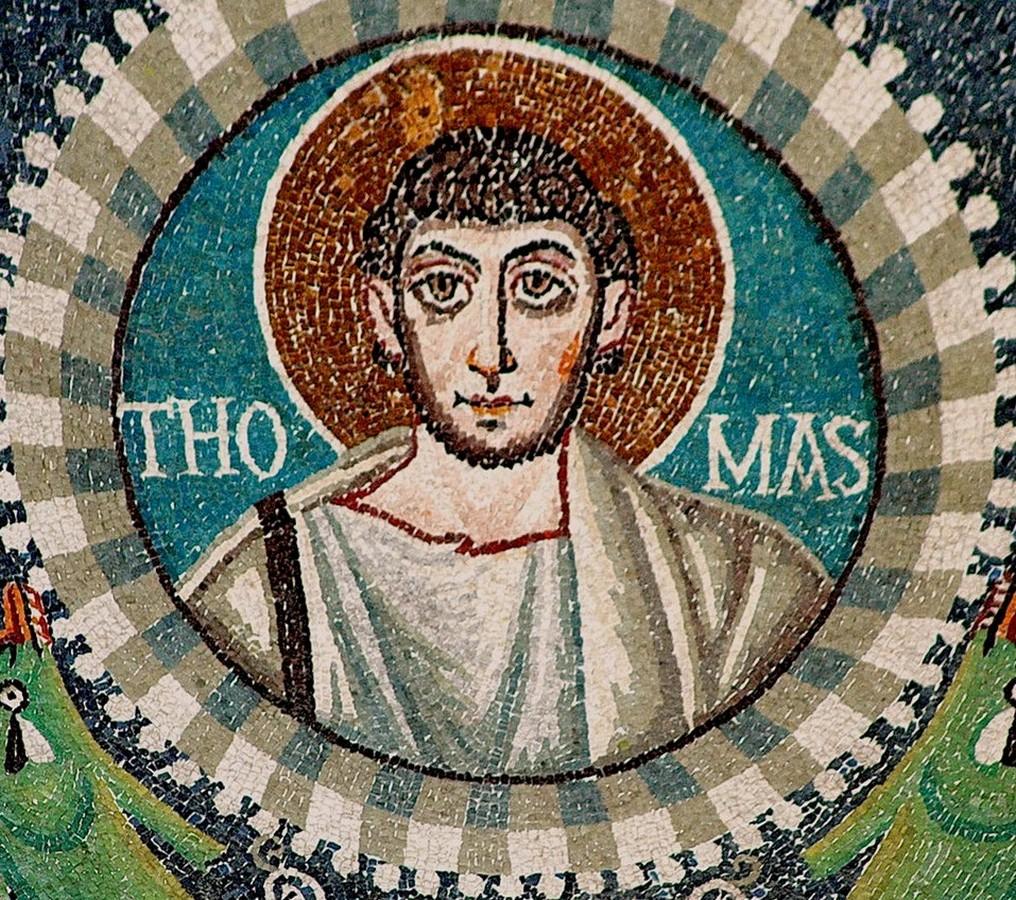
São Tomé was named after Saint Thomas the Apostle, because Portuguese explorers discovered the main island on his feast day, December 21, 1470.
Príncipe was originally named Santo Antão, the smaller island was renamed in 1502 to Ilha do Príncipe (“Prince’s Island”) in honor of Afonso, Prince of Portugal, the son of King John II.
Read more on: 10 High-Protein Foods That Outperform Eggs and Boost Your Health
6. Rhodesia (Historical Note: Zimbabwe and Zambia)
While no longer on the map today, you cannot discuss African countries named after people without mentioning the former Rhodesia. Named after Cecil Rhodes, the British mining magnate and politician, the territory was later split into Northern Rhodesia (now Zambia) and Southern Rhodesia (now Zimbabwe).
After independence, both nations moved swiftly to erase the name of the man who spearheaded British imperialism in Southern Africa, opting instead for names derived from the Zambezi River and the Great Zimbabwe ruins.
Read more on: 10 Ways Your Phone Is Slowly Harming Your Body and Mind
7. Saint Helena (Territory)
While technically a British Overseas Territory located in the South Atlantic (off the coast of Africa), Saint Helena is often grouped within the African region. It is named after Saint Helena of Constantinople.
Much like São Tomé, the island was named by Portuguese explorer João da Nova, who sighted the island on May 21, 1502—the feast day of Saint Helena, the mother of Constantine the Great.
Read more on: First Black Astronaut Heads Toward the Moon on Artemis II
Why Do These Names Matter?
Names like Mozambique and Eswatini represent a blend of indigenous pride and historical happenstance. In contrast, names like Seychelles or Mauritius serve as permanent markers of the “Age of Discovery.”
As Africa continues to evolve, the debate over national names remains a powerful tool for decolonization and the reclamation of identity. Whether named after a saint, a trader, or a king, these seven nations carry the weight of history in every syllable of their names.
Read move on: