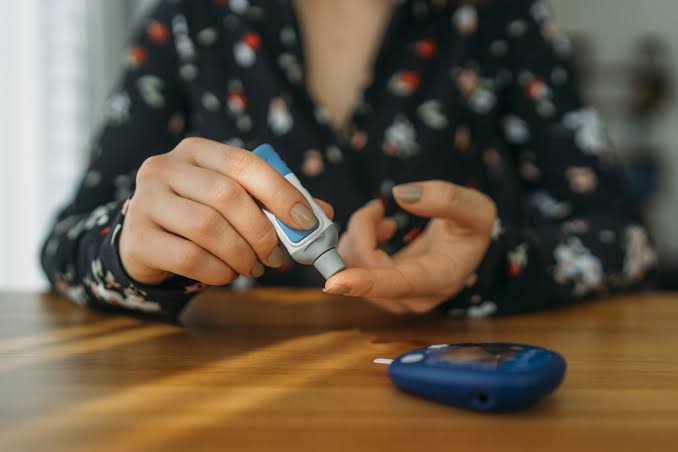
Diabetes has earned its reputation as a quiet but dangerous health condition because it often develops gradually, without dramatic symptoms in its early stages. According to recent figures released as part of the International Diabetes Federation campaign for 2026 and 2027, a significant portion of adults living with diabetes are unaware that they even have the condition. In fact, close to half of those affected globally remain undiagnosed, which means millions are living with rising blood sugar levels without taking any steps to manage them.
One of the biggest challenges with diabetes, especially Type 2, is that the early signs can be easy to dismiss. Many people attribute them to fatigue from work, stress from daily life, or simply getting older. However, these subtle signals are the body’s way of indicating that something is not functioning as it should. Ignoring them for too long can lead to serious complications such as kidney damage, nerve problems, vision loss, and cardiovascular disease.
Recognizing these early warning signs and taking action can make a major difference. When detected early, diabetes can often be managed effectively through lifestyle adjustments, medication, and regular monitoring. Below are some of the key signs that many people experience but often overlook.
Frequent Urination

One of the earliest and most noticeable signs of rising blood sugar levels is an increased need to urinate. You may find yourself visiting the bathroom more often than usual, including waking up multiple times during the night. This happens because the kidneys are working harder than normal to filter excess glucose from the blood.
When the kidneys can no longer keep up with the amount of sugar present, the excess is passed into the urine. As this process occurs, fluids are drawn from the body’s tissues, leading to a higher volume of urine. Over time, this constant fluid loss can disrupt normal hydration levels and become quite uncomfortable. Many people initially brush this off as simply drinking too much water before bed, but when it becomes frequent and persistent, it should not be ignored.
Read more on: Lassa Fever Outbreak Spreads Across Nigeria,
Excessive Thirst

Closely linked to frequent urination is a strong and persistent feeling of thirst. As the body loses fluids through repeated trips to the bathroom, it tries to compensate by sending signals to the brain that encourage you to drink more water. This can create a cycle where you are constantly drinking fluids but still do not feel fully satisfied.
This type of thirst often feels different from normal dehydration. It can be intense and difficult to quench, even after consuming large amounts of water. If you notice that your thirst levels remain unusually high despite regular hydration, it may be worth investigating further, as it could be tied to elevated blood sugar levels.
Blurred Vision

Changes in vision can also be an early indicator of diabetes. High levels of glucose in the bloodstream can affect the eyes by altering the shape of the lenses. This happens because excess sugar causes fluid to move in and out of the eye tissues, leading to temporary swelling.
As a result, your ability to focus may become inconsistent. You might notice that your vision appears blurry at certain times of the day or that it fluctuates without any clear reason. Some individuals assume they simply need new glasses or are experiencing eye strain from screens, but when these changes occur alongside other symptoms, they could point to an underlying issue with blood sugar regulation.
Read more on: Artemis II Astronauts Make Successful Return to Earth
Persistent Fatigue and Irritability

Feeling unusually tired even after getting adequate rest is another common but often overlooked symptom. The body relies on glucose as its primary source of energy. In people with diabetes, the process that allows glucose to enter the cells is disrupted, meaning that even though there is sugar in the bloodstream, the cells are not receiving the fuel they need.
This lack of energy can leave you feeling constantly drained. Everyday tasks may seem more exhausting than usual, and maintaining focus can become difficult. Alongside fatigue, some people also experience mood changes, including irritability or frustration. These emotional shifts are often linked to the body’s struggle to maintain stable energy levels.
Slow Healing of Cuts and Wounds
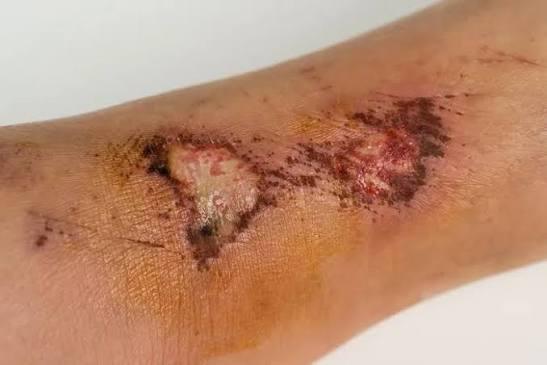
The way your body heals can also reveal important clues about your health. If you notice that cuts, bruises, or minor injuries are taking longer than usual to heal, it could be related to high blood sugar levels. Elevated glucose can affect both circulation and the immune system.
When blood flow is reduced, essential nutrients and oxygen do not reach the affected areas efficiently. At the same time, the body’s ability to fight off infections is weakened. This combination can slow down the healing process and increase the likelihood of complications. A small wound that lingers for days or weeks should not be dismissed, especially if it happens frequently.
Read more on: 10 High-Protein Foods That Outperform Eggs and Boost Your Health
Darkened Skin Patches

Certain changes in the skin can serve as visible warning signs of underlying metabolic issues. One such condition is the appearance of dark, thickened patches of skin, often found around the neck, under the arms, or in the groin area. These patches may have a slightly velvety texture and can sometimes be mistaken for dirt or poor hygiene.
In reality, this condition is linked to insulin resistance, which is a key factor in the development of Type 2 diabetes. When the body produces insulin but cannot use it effectively, it can lead to higher levels of the hormone circulating in the blood. This, in turn, affects skin cells and leads to the changes described. Recognizing these patches early can provide an opportunity to address the issue before it progresses further.
Tingling or Numbness in Hands and Feet

Nerve health is another area that can be affected by prolonged high blood sugar levels. Some people begin to experience unusual sensations in their extremities, such as tingling, numbness, or a pins and needles feeling. These sensations may start off mild but can become more noticeable over time.
This condition, often referred to as neuropathy, occurs when excess glucose damages the nerves. It commonly affects the hands and feet, making it difficult to detect temperature changes or feel small injuries. While this symptom is often associated with more advanced stages of diabetes, it can sometimes appear earlier, especially if blood sugar levels have been elevated for an extended period without detection.
Read more on: 10 Ways Your Phone Is Slowly Harming Your Body and Mind
Unexplained Weight Loss

Losing weight without making any deliberate changes to your diet or exercise routine may seem like a positive development at first, but it can actually signal a problem when linked to diabetes. When the body cannot use glucose effectively for energy, it begins to break down fat and muscle as alternative sources of fuel.
This process can lead to noticeable weight loss over a relatively short period. While it is more commonly associated with Type 1 diabetes, it can also occur in individuals with progressing Type 2 diabetes. If weight loss happens alongside other symptoms such as fatigue or increased thirst, it is important to consider the possibility of an underlying metabolic condition.
Taking Early Action on Diabetes: How to Reduce and Manage Your Risk
Recognizing early warning signs is important, but what makes the real difference is acting quickly and consistently. Diabetes can often be delayed, controlled, or even prevented in many cases when the right steps are taken early.
Below are practical ways to reduce risk and take control:
Spot your risk early
- Pay attention to symptoms like frequent urination, unusual thirst, fatigue, or unexplained weight changes
- Be honest about lifestyle habits such as diet, physical inactivity, or high stress levels
- Consider family history, especially if close relatives have diabetes
- Use simple online diabetes risk assessment tools for an initial check
Get tested without delay
- Book a medical check-up if you notice multiple warning signs
- Request an HbA1c blood test to measure average blood sugar levels over time
- Use fasting blood sugar tests where recommended by a healthcare provider
- Repeat tests periodically if you fall into a high-risk category
Improve daily eating habits
- Reduce intake of sugary drinks, sweets, and processed foods
- Choose more whole foods like vegetables, fruits, whole grains, and lean proteins
- Practice portion control to avoid overeating
- Eat at consistent times to help regulate blood sugar levels
Stay physically active
- Engage in at least 30 minutes of moderate exercise most days of the week
- Include activities like brisk walking, cycling, or swimming
- Break long sitting periods with short movement breaks
- Combine cardio exercises with light strength training for better results
Maintain a healthy lifestyle balance
- Aim for consistent, quality sleep every night
- Manage stress through relaxation techniques like deep breathing or meditation
- Reduce alcohol intake and avoid smoking
- Stay hydrated throughout the day
Follow medical guidance if diagnosed
- Take prescribed medication exactly as directed
- Attend regular medical check-ups to monitor progress
- Track blood sugar levels if advised by a healthcare professional
- Work closely with your doctor to adjust treatment when necessary
Stay consistent, not occasional
- Treat lifestyle changes as long-term habits, not temporary fixes
- Make gradual improvements instead of drastic, unsustainable changes
- Keep a simple routine that you can maintain daily
Early action does not just reduce risk; it can significantly slow or even prevent the progression of diabetes when done consistently.
Read more on: First Black Astronaut Heads Toward the Moon on Artemis II
A Growing Health Concern
The rising number of diabetes cases worldwide highlights the need for greater awareness and education. Urban lifestyles, dietary habits, and reduced physical activity have all contributed to the increase in cases, particularly in developing regions. In cities like Lagos, where fast paced living often takes priority, it becomes even more important to pay attention to subtle health changes.
Diabetes does not usually appear overnight. It develops gradually, often giving the body multiple opportunities to signal that something is wrong. Paying attention to these signals and responding appropriately can make a significant difference in long term health outcomes.
Ultimately, the message is simple. Do not ignore what your body is trying to tell you. Early action can turn a potentially serious condition into one that is manageable, allowing you to maintain a healthy and active life.
Read more on: