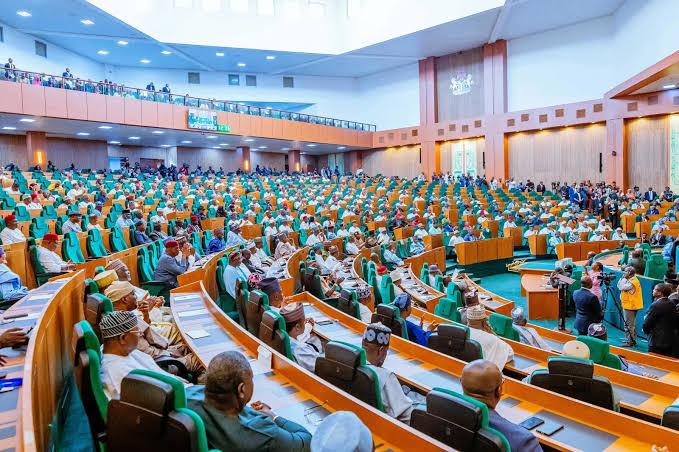
Nigeria’s House of Representatives has been thrown into the spotlight following a significant political development that signals shifting alliances ahead of the next general elections. In a dramatic turn of events, 17 lawmakers elected under the platform of the African Democratic Congress have officially defected to the Nigeria Democratic Congress, dealing a heavy blow to the ADC’s presence in the Green Chamber.
The defections were formally announced during plenary, where separate letters from the affected lawmakers were read on the floor of the House. The move did not come as a complete surprise to political observers who have been closely monitoring the deepening internal issues within the ADC over the past several months. However, the scale of the defection has intensified concerns about the party’s stability and future relevance in national politics.
In their individual letters, the lawmakers pointed to ongoing and unresolved internal crises within the African Democratic Congress as the primary reason for their decision to leave. According to them, the challenges facing the party have persisted across multiple levels of leadership and have created an environment that makes effective political engagement increasingly difficult.
Read more on: Zenith Bank Chairman Jim Ovia retires, marking historic transition
The internal troubles within the ADC have been widely reported and have included a mix of leadership disputes, controversial decisions, and factional disagreements. One of the most prominent issues has been the prolonged legal battle over the party’s leadership structure. A recent court ruling reinstated David Mark as the party’s chairman, a decision that, rather than resolving tensions, appears to have deepened divisions among party stakeholders.
In addition to leadership disputes, the party’s 2026 national convention held in Abuja also became a source of controversy. The Independent National Electoral Commission declined to monitor the convention, raising questions about its legitimacy and the credibility of decisions made during the gathering. This development further eroded confidence among party members and contributed to the growing sense of uncertainty within the ADC.
The situation was compounded by a series of high profile expulsions and the dissolution of certain party structures, actions that were reportedly taken in response to allegations of anti party activities. Instead of restoring order, these measures appear to have widened the cracks within the party, leaving many members disillusioned and prompting some to seek political alternatives.
Among the lawmakers who defected are several prominent figures representing constituencies across different regions of the country. Their departure reflects not only dissatisfaction within the party but also the strategic calculations that often shape political alignments in Nigeria.
Read more on: UNICROSS Protest: Police Deny Opening Fire on Students
Notable among the defectors is Thaddeus Attah, who represents Eti Osa Federal Constituency in Lagos State and served as Deputy Minority Whip. His exit is particularly significant given his leadership role within the House. Other lawmakers who joined the move include Yusuf Umar Datti from Kano State, Harris Okonkwo from Anambra State, and Sani Adamu, also from Kano.
The list continues with Afam Ogene and George Ozodinobi from Anambra State, Oluwaseyi Sowunmi from Lagos, and Umezuruike Manuchim representing a constituency in Rivers State. Additional members who announced their departure include Lilian Obiageli, Peter Anekwe, Zakari Umar Mukhtari, George Olawande, Murphy Osaro Omoruyi, Emeka Idu, Jesse Onuakalusi, Ifeanyi Uzokwe, and Kamilu Ado, representing various constituencies across Anambra, Kano, Lagos, Edo, and other states.
Interestingly, the day’s political movement was not limited to a single destination. While the majority of defectors chose to align with the Nigeria Democratic Congress, another ADC lawmaker, Leke Abejide, opted to join the ruling All Progressives Congress instead. His decision highlights the diverse political calculations at play as lawmakers reposition themselves within the evolving political landscape.
The immediate effect of these defections is a noticeable shift in the balance of power among opposition parties in the House of Representatives. The Nigeria Democratic Congress, which has been gaining traction in recent weeks, stands to benefit significantly from the influx of new members. This development strengthens its legislative presence and positions it as an increasingly influential player among opposition parties.
Read more on: Major Legal Setback as Court Orders SERAP to Pay ₦100 Million for Defaming DSS
The timing of the defections is also noteworthy, coming as political actors begin to lay the groundwork for the 2027 general elections. Alignments and realignments are expected to intensify in the coming months, as politicians seek platforms that offer better prospects for electoral success and political relevance.
Despite these changes, the ruling All Progressives Congress continues to maintain a commanding majority in the House, with an estimated 280 members. This dominant position provides the APC with significant control over legislative proceedings and decision making. However, the growing activity among opposition parties suggests that the political environment is far from static.
The weakening of smaller parties such as the ADC, alongside similar challenges faced by other opposition groups like the Peoples Democratic Party and the New Nigeria Peoples Party, points to a broader trend of fragmentation within Nigeria’s political space. At the same time, the rise of alternative platforms like the NDC indicates that new alliances are beginning to take shape.
Political analysts believe that these developments could have far reaching implications for the country’s democratic process. As parties reorganize and politicians shift loyalties, the competition leading up to the 2027 elections is expected to become more dynamic and unpredictable.
Read more on: Tinubu Reportedly Pushes Back Against Lobbyists Seeking Fourth Term for Desmond Elliot
For now, the focus remains on how the African Democratic Congress will respond to this significant loss of representation in the House. Rebuilding internal cohesion and restoring confidence among its members will be critical if the party hopes to remain relevant in the evolving political landscape.
Meanwhile, the Nigeria Democratic Congress will be looking to consolidate its gains and integrate its new members effectively. The ability to maintain unity and present a coherent political agenda will determine whether it can capitalize on this moment and emerge as a stronger force in national politics.
As events continue to unfold, today’s mass defection serves as a clear reminder of the fluid nature of political alliances in Nigeria. It also underscores the importance of internal party stability, which remains a key factor in determining both immediate influence and long term survival in the country’s competitive political arena.
Read more on: