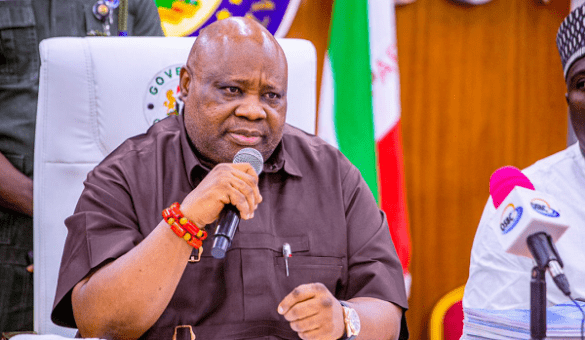
Osogbo, Osun State, May 11, 2026 has become a date that will be remembered in the history of traditional rulership in Nigeria, following the formal removal of Oba Joseph Olugbenga Oloyede as the Apetu of Ipetumodu by Governor Ademola Adeleke. The decision, which takes immediate effect, comes after the monarch was convicted in the United States for his role in a multimillion-dollar COVID-19 relief fund fraud scheme.
The development has sent shockwaves across Osun State and beyond, as it represents one of the most dramatic cases in recent years where a traditional ruler has been dethroned due to criminal proceedings in a foreign country. The state government described the action as necessary to protect the integrity of the traditional institution and maintain public trust in leadership.
The Fraud Case That Led to His Downfall
The troubles of Oba Oloyede began in April 2024 when he was arrested in the United States alongside a Nigerian pastor, Edward Oluwasanmi. Both men were accused of being part of a coordinated scheme that defrauded the US government of COVID-19 relief funds meant to support struggling small businesses during the global pandemic.
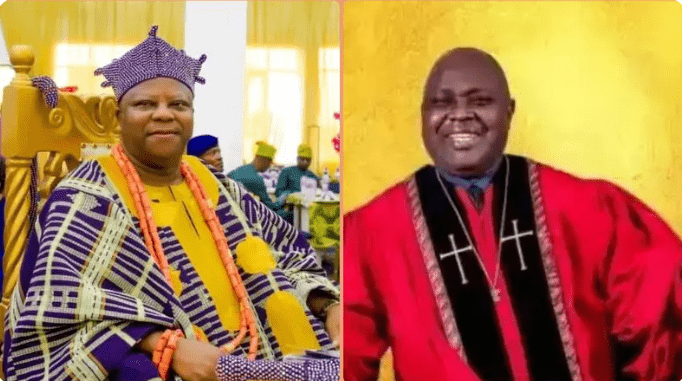
According to court records and prosecution details, the monarch was identified as a key figure in the conspiracy. The fraudulent activities involved exploitation of two major United States government relief programs, the Economic Injury Disaster Loan scheme and the Paycheck Protection Program. These initiatives were designed to provide financial assistance to businesses affected by the economic shutdown during COVID-19.
Investigators in the United States concluded that the group used falsified documents and manipulated applications to secure large sums of money that they were not entitled to receive. In total, the fraud was estimated at approximately 4.2 million dollars, making it one of the more significant cases involving pandemic relief abuse.
The case proceeded through the US judicial system, and on August 26, 2025, Oba Oloyede was sentenced by US District Judge Christopher A. Boyko to 56 months in prison, which is equivalent to just under five years. In addition to the prison sentence, the court ordered him to pay restitution amounting to over 4.4 million dollars. He was also required to forfeit properties linked to the proceeds of the crime, including a residential property located in Medina, Ohio, as well as cash assets seized during the investigation.
The conviction marked a dramatic fall from grace for the monarch, who had ascended the throne of Ipetumodu in November 2019 with significant respect and cultural recognition within his community.
Read more on: JAMB 2026: Cut-Off Marks and Admission Policies Released
Osun Government’s Deliberate Process Before Action
Following the news of his arrest and subsequent conviction, there had been growing public pressure within Nigeria for the Osun State Government to take decisive action regarding his status as a traditional ruler. However, the Adeleke administration initially adopted a cautious approach, emphasizing the need for verified legal documentation before making any official decision.
Officials within the state government explained that they were careful not to act based on media reports or unverified claims circulating on social platforms. Instead, the Ministry of Local Government and Chieftaincy Affairs was directed to obtain certified court documents from the United States to confirm the details of the case and conviction.
This process led to the acquisition of a Certified True Copy of the judgment from the Ohio court, which provided full legal confirmation of the monarch’s conviction, sentencing, and financial penalties. Once this documentation was reviewed and verified, the state government proceeded with formal steps to address the matter.
On May 7, 2026, Governor Ademola Adeleke signed the official deposition order removing Oba Joseph Olugbenga Oloyede from the throne of the Apetu of Ipetumodu. The government stated that the decision was based on the need to preserve the dignity and credibility of traditional institutions in Osun State.
In its official explanation, the state government noted that the conviction and imprisonment of the monarch for a serious financial crime had brought significant embarrassment and public disrepute to the traditional institution he represented. According to the statement, allowing him to remain on the throne would undermine public confidence and damage the integrity of the chieftaincy system.
Read more on: ASUU Signals Fresh Strike as 2025 Agreement Faces Implementation Crisis
Vacancy of the Throne and Next Steps
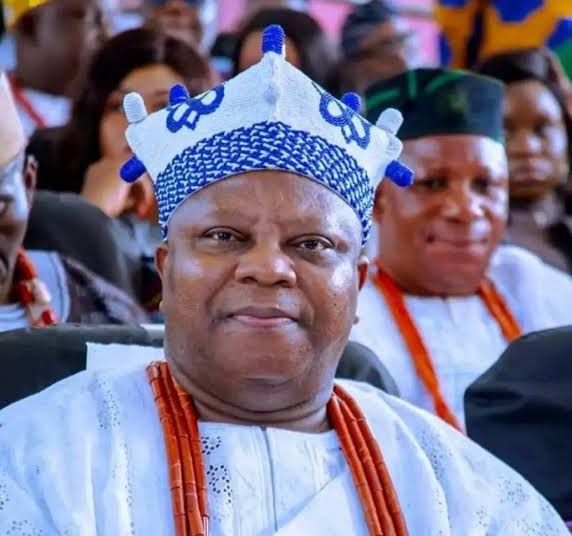
With the deposition now in effect, the Osun State Government has confirmed that all instruments of office previously held by Oba Oloyede have been withdrawn. This includes the symbolic staff of office, which represents royal authority and legitimacy within Yoruba traditional governance.
The stool of the Apetu of Ipetumodu has officially been declared vacant. This development paves the way for the commencement of traditional selection processes by the kingmakers of Ipetumodu, who are responsible for identifying and installing a new monarch in accordance with established customs and traditions.
Oba Oloyede, who reigned as Latimogun I, is now effectively removed from all official recognition as a traditional ruler within the state structure. His reign, which began in late 2019, has now ended under circumstances that contrast sharply with the expectations of royal service and cultural leadership.
Public Reaction and Political Undertones
The news of the deposition has triggered widespread reactions across different segments of society. Within Ipetumodu and surrounding communities, opinions have been mixed, with some residents expressing shock at the scale of the allegations and conviction, while others have described the decision as necessary to preserve the honour of the throne.
Traditional institutions across Yorubaland have also taken note of the development, as it raises broader questions about accountability, reputation, and the global conduct of individuals occupying revered cultural positions.
At the political level, the decision by Governor Adeleke is being closely analyzed. With the 2027 general elections approaching, the governor is already in what observers describe as an active political season. His administration has been under scrutiny on multiple fronts, and this bold move is being interpreted by some analysts as part of a broader effort to demonstrate commitment to rule of law and institutional integrity.
Supporters of the governor argue that the action reflects courage and fairness, showing that no individual, regardless of status or title, is above accountability. They also point out that the administration followed due process and waited for verified legal documents before taking action, rather than acting on speculation.
On the other hand, some political observers believe the timing and visibility of the decision may also carry strategic implications in the lead-up to future elections. Regardless of interpretation, the removal of a traditional ruler under such circumstances is widely regarded as a significant and rare development.
Read more on: Trump Rejects Iran Peace Deal as Oil Prices Surge
Conclusion
The deposition of Oba Joseph Olugbenga Oloyede marks the end of a royal chapter that began with promise but concluded under the weight of international criminal conviction. From his ascent to the throne in 2019 to his removal in 2026, the trajectory of his reign has now become a cautionary tale about reputation, responsibility, and the global consequences of financial misconduct.
For the people of Ipetumodu, the immediate focus now shifts to the future of their traditional leadership and the selection of a new Apetu. For the Osun State Government, the decision stands as a statement on the importance of integrity within cultural institutions.
As the legal and political implications continue to unfold, one thing remains clear. The fall of the Apetu is not just a local traditional matter, but a story that has resonated far beyond the borders of Osun State, drawing attention to the intersection of culture, law, and global accountability.
Read more on: