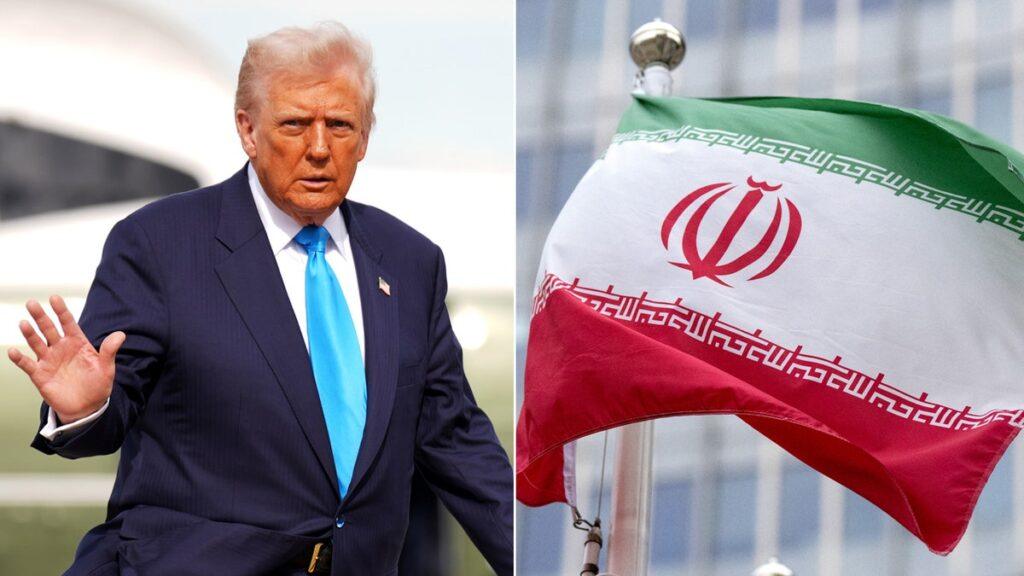
Global financial markets and diplomatic channels have been thrown into renewed uncertainty following a firm decision by United States President Donald Trump to reject Iran’s latest peace proposal. The move has effectively halted ongoing negotiations and intensified fears of a prolonged conflict in the Middle East, a region already burdened by rising tensions and strategic rivalries. As the situation unfolds, investors, policymakers, and global leaders are closely monitoring developments, aware that the consequences could stretch far beyond the region.
The turning point came on Sunday, May 10, when President Trump publicly dismissed Iran’s counterproposal to a ceasefire framework that had been under discussion for weeks. The negotiations, quietly facilitated by Pakistan, were seen as a rare opportunity to deescalate hostilities and restore stability. However, Trump’s rejection has cast doubt on any immediate breakthrough, signaling that both sides remain far apart on key issues.
Iran’s proposal reportedly outlined a series of demands aimed at bringing an immediate end to the conflict. While the full details have not been officially released, insiders suggest that Tehran called for a halt to military operations across all fronts, the removal of United States naval presence from sensitive waterways, and assurances that future attacks would not be carried out against its territory. At the same time, Iran appeared unwilling to dismantle its nuclear infrastructure, a position that continues to alarm Washington and its allies.
President Trump made his position unmistakably clear in a statement shared on his Truth Social platform. He described Iran’s response as completely unacceptable and indicated that the United States would not compromise on what it considers essential security requirements. His response reflects a broader strategy that emphasizes strict conditions before any concessions are made, particularly when it comes to sanctions relief and long term agreements.
Read more on: Rivers 2027 Governorship Battle Heats Up as APC Screens Fubara, Wike Allies
According to officials within the administration, the United States is insisting on a phased approach to any potential deal. Under this plan, Iran would first need to cease all hostile actions and guarantee the safe reopening of the Strait of Hormuz, one of the most critical shipping routes in the world. Only after these conditions are met would Washington consider easing sanctions or entering deeper discussions regarding Iran’s nuclear program. This sequencing has become a major point of disagreement, as Tehran continues to push for immediate relief and guarantees.
The collapse of talks has had an immediate impact on global energy markets. Oil prices surged sharply as traders reacted to the heightened risk of supply disruptions. Brent crude, the international benchmark, climbed to around 105 dollars per barrel during early trading in Asia. Meanwhile, West Texas Intermediate, the United States benchmark, rose close to 100 dollars after gaining more than four percent in a single session.
Market analysts attribute the surge to growing concerns over supply stability, particularly in relation to the Strait of Hormuz. This narrow waterway plays a crucial role in global energy distribution, with approximately twenty percent of the world’s oil supply passing through it. Any disruption to this route, whether through military action or blockades, has the potential to significantly affect global prices and economic stability.
Experts have warned that if tensions continue to escalate, oil prices could rise even further. Some projections suggest that in a worst case scenario, prices could reach between 110 and 150 dollars per barrel. Such an increase would place additional pressure on economies worldwide, especially those heavily dependent on imported energy, and could contribute to inflation and slower economic growth.
On the ground, the situation remains highly volatile. Iran has maintained a partial blockade in the Strait of Hormuz, raising concerns about the safety of commercial shipping and the broader implications for global trade. The presence of military forces from multiple nations has added to the tension, creating a fragile environment where any misstep could trigger further escalation.
Read more on: Read more on: Peter Obi Emerges Frontline Candidate as NDC Zones Presidency to South
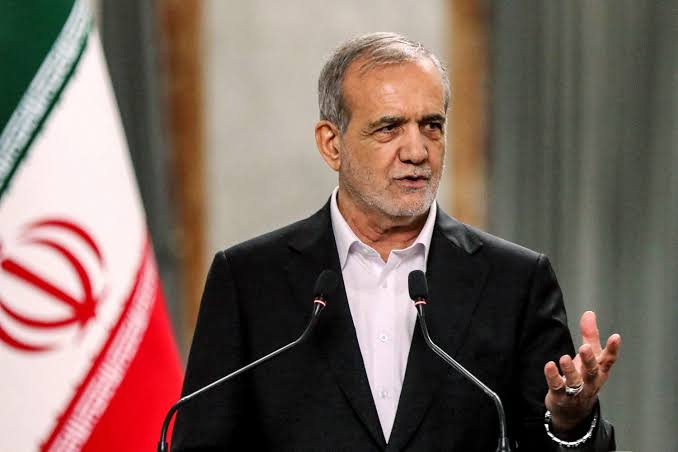
Iranian President Masoud Pezeshkian has responded with a firm stance, emphasizing that participation in negotiations should not be interpreted as weakness. In a recent statement, he stressed that Iran would not accept terms that undermine its sovereignty or long term strategic interests. This position suggests that Tehran is prepared to withstand continued pressure rather than agree to conditions it views as one sided
Israel has also taken a strong position on the issue, aligning closely with the United States. Prime Minister Benjamin Netanyahu has reiterated that any resolution to the conflict must include concrete steps to eliminate Iran’s nuclear capabilities. He has called for the removal of enriched uranium and the dismantling of key facilities, reflecting ongoing concerns about the potential for nuclear proliferation in the region.
In response to the escalating crisis, European nations are increasing their involvement. The United Kingdom and France are set to host a high level meeting involving more than forty defense ministers. The meeting will focus on strategies to ensure the safety of international shipping routes and to coordinate potential responses aimed at maintaining stability in the region. This development highlights the growing international dimension of the conflict and the shared interest in preventing further disruption.
Another critical factor in the evolving situation is the role of China. President Trump is expected to travel to Beijing in the coming days, where discussions with Chinese President Xi Jinping could influence the next phase of the crisis. China remains one of the largest buyers of Iranian oil, giving it significant leverage over Tehran. United States officials have indicated that Trump will encourage China to increase economic pressure on Iran, potentially by reducing oil imports or supporting stricter enforcement of sanctions.
Read more on: Gunmen Kill Son of Osun Accord Party Leader, Political Tension Rises
China’s involvement introduces an added layer of complexity. While it has traditionally maintained a more balanced approach, its economic ties with Iran position it as a key player in any effort to resolve the conflict. The extent to which Beijing is willing to align with Washington’s strategy remains uncertain, but its decisions could have a major impact on the outcome.
As the standoff continues, concerns are growing about the broader implications for global stability. The Middle East remains a region of immense strategic importance, and any escalation has the potential to draw in additional countries and expand the scope of the conflict. The combination of military tension, economic pressure, and stalled diplomacy has created a situation that is both unpredictable and potentially far reaching.
For now, the chances of a quick resolution appear slim. Both sides remain firmly committed to their positions, and there is little indication of flexibility on the key issues that divide them. The failure of recent negotiations has underscored the difficulty of achieving a compromise that satisfies all parties involved.
Read more on: Ex-Humanitarian Affairs Minister Sadiya Umar Farouq Declared Wanted by EFCC
The situation also highlights the interconnected nature of the global economy. Developments in one region can have immediate effects on markets and political relationships around the world. The rise in oil prices serves as a clear example of how geopolitical tensions can influence economic conditions far beyond their point of origin.
Looking ahead, attention will likely focus on upcoming diplomatic engagements and international meetings. The outcomes of the defense ministers’ discussions and President Trump’s visit to China could provide important signals about the direction of the crisis and the potential for renewed dialogue.
Until then, the world remains on edge, watching closely as events continue to unfold. While the hope for a peaceful resolution has not entirely faded, it is increasingly overshadowed by the reality of deep divisions and rising tensions.
Read more on: