The Federal Government of Nigeria is stepping up efforts to fix challenges in the education sector, with plans to secure a fresh $500 million in funding.
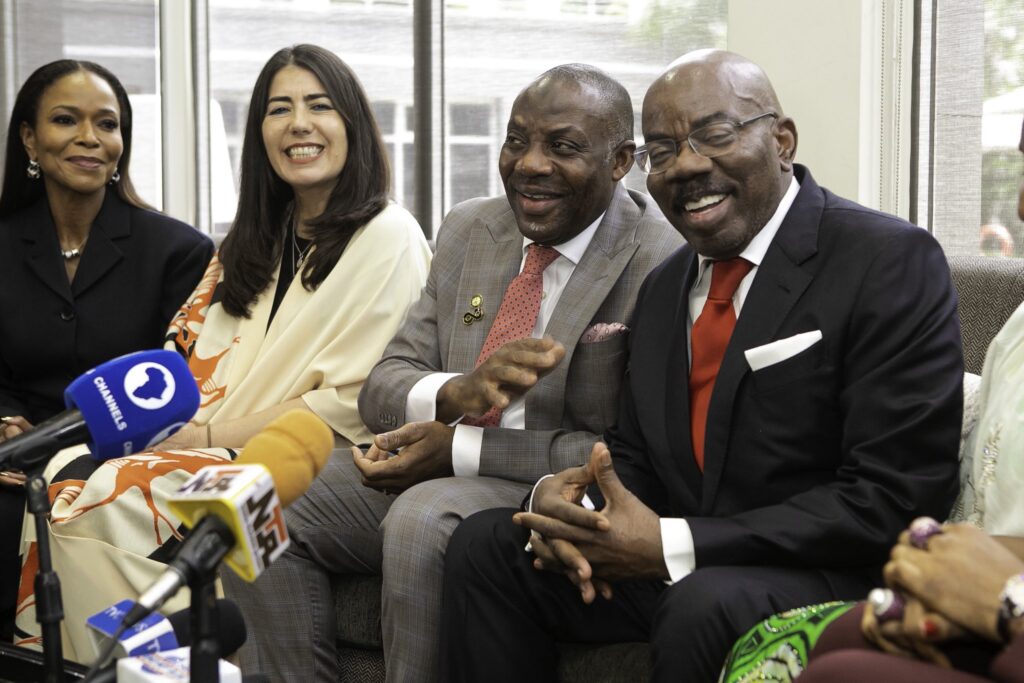
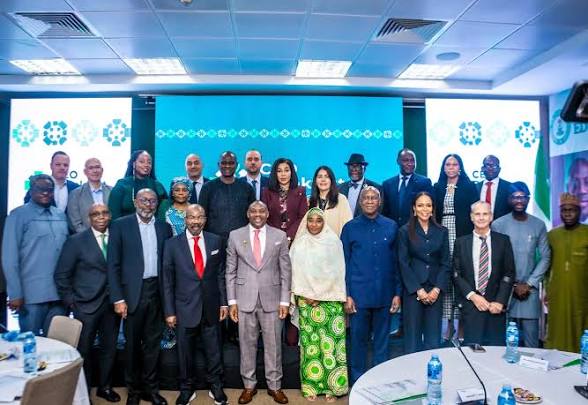
This was revealed on March 25, 2026, by the Minister of Education, Tunji Alausa, during a high-level CEO breakfast meeting in Lagos. The funding is being sought from the Global Partnership for Education and is aimed at improving basic education and bringing millions of out-of-school children back into classrooms.
Read more on: Nigeria Steps Up Health Fight with $346m Investment and New HIV Prevention Breakthrough
A Smart Funding Strategy
Rather than relying solely on external aid, the government is adopting a matching approach.
Under this plan, any money contributed by Nigerian businesses or private donors will be matched by the Global Partnership for Education. This means every dollar raised locally could be doubled, helping the country unlock the full $500 million target.
Final access to the funds will depend on decisions at the GPE replenishment summit scheduled for June 2026 in Rome.
Addressing the Out-of-School Crisis
Despite progress in 2025, when about 1.1 million children returned to school, the country still faces a major challenge. Around 15 million children are currently out of school.
According to the minister, Nigeria needs about $345 million each year to properly address this issue. The proposed funding would help close that gap and support long-term solutions.
Read more on: Naira Weakens as Market Pressures Mount
Focus on Skills and Infrastructure

The government’s education reform plan goes beyond simply getting children back into classrooms. It also aims to improve the quality of learning and prepare students for the future.
Key areas of focus include strengthening science and technology education, improving student accommodation, and upgrading facilities in medical and engineering schools across the country.
Significant investments have already been planned to support these goals, including funds for hostels and the rehabilitation of key institutions.
Using Technology for Transparency
To ensure proper use of funds, the government is introducing digital systems to track students and schools more effectively.
So far, millions of students and thousands of schools have been mapped across several states. A new Learner ID system will also be introduced to monitor each student’s progress and reduce issues like fraud or missing records.
A Long-Term Investment
The government believes that investing in education will have a direct impact on national growth.
By combining public funding with private sector support, Nigeria is positioning education as a key driver of economic development, not just a social responsibility.
- The Cost of Conflict: Civilian Toll Rises in Iran Ahead of U.S. Strike Pause
- The Adamawa Shift: Fintiri Joins APC as Shettima Hands Over Party Flag
- Caught in the Crisis: Why Nigeria’s Middle East Evacuation Is Facing Delays
- Tension in the Strait: Trump Extends Deadline on Iran Action Amid Signs of Talks