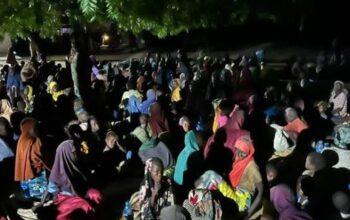
Nigeria’s security landscape faced a severe and unsettling double blow within the last twenty-four hours, as the country witnessed a high-profile ambush in the Northwest at the same time that renewed bloodshed erupted in the North-Central region. The latter incident came just hours after President Bola Ahmed Tinubu visited Plateau State in an effort to restore calm and reassure the local population. These developments highlight both the persistent volatility in several parts of the country and the immense challenges facing security agencies as they struggle to contain escalating violence.
From the bullet-riddled highways of Zamfara to the fragile communities of Plateau State, the past twenty-four hours have underscored how insecurity continues to threaten the lives of ordinary citizens and public officials alike. The events have once again brought into focus the dangerous realities of traveling through certain parts of Northern Nigeria, where armed groups continue to exploit weak security infrastructure and long stretches of poorly monitored roads.
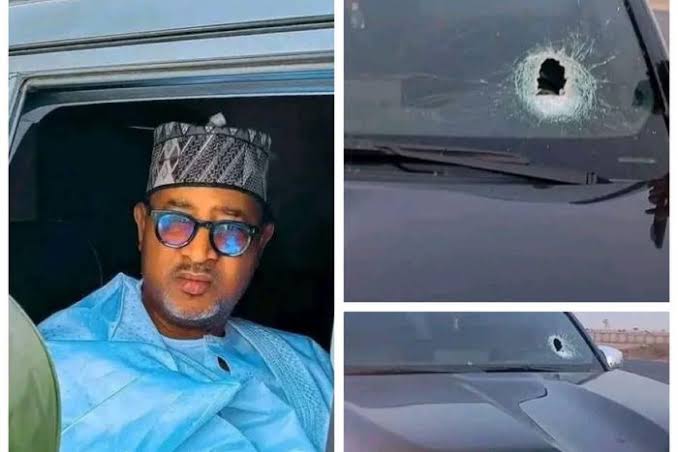
In Zamfara State, a daring ambush targeted the convoy of Alhaji Mouktar Lugga, the Chief of Staff to Governor Dauda Lawal. The attack, which occurred on Thursday evening, April second, 2026, around 6:16 p.m., demonstrated both the audacity of criminal groups in the region and the vulnerability of even highly protected officials traveling through areas plagued by banditry. The convoy was moving along the Funtua to Gusau highway, a crucial transit route linking several towns and communities. The stretch has earned a notorious reputation as a hotspot for kidnappings, armed robbery, and violent assaults, making any journey along it fraught with risk.
According to security reports, the ambush unfolded in Kucheri Village, where assailants strategically emerged from dense bush on either side of the highway, immediately opening fire on the vehicle carrying Alhaji Lugga, his driver, and two aides. The attack was highly coordinated, demonstrating a level of tactical planning that suggests the assailants had detailed knowledge of the convoy’s movements. Eyewitness accounts describe a terrifying sequence of events in which bullets rained down on the vehicle from multiple directions, creating a scene of chaos and imminent danger.
One particularly chilling aspect of the attack involved a gunman who approached the Chief of Staff’s vehicle at point-blank range with the intention of delivering a fatal shot. Reports indicate that the weapon misfired at the critical moment, preventing what could have been a devastating outcome. Simultaneously, another bullet shattered the windshield of the car, narrowly missing the driver’s head. The combination of these circumstances has been described by some observers as miraculous, and many have credited quick thinking, composure, and skillful driving with preventing a tragedy. Despite the intensity of the ambush, the driver managed to maintain control of the vehicle and navigated the dangerous stretch to safety. All occupants survived without physical injury, though the vehicle was left riddled with bullet holes, a stark reminder of the life-threatening incident they had just survived.
This ambush has occurred despite Governor Dauda Lawal’s ongoing efforts to enhance security through measures such as the Community Protection Guards program, which aims to strengthen local intelligence and response capabilities. The attack underlines the continuing difficulty of securing extensive road networks in a state where criminal groups remain highly mobile and well-armed.
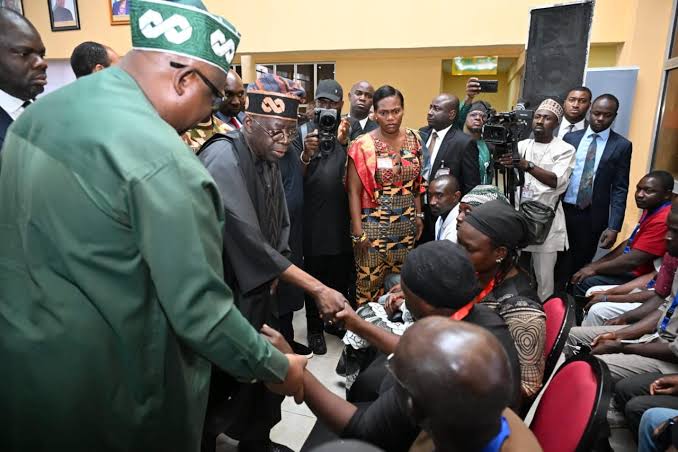
While the people of Zamfara were coming to terms with this shocking attack, residents of Plateau State faced a fresh wave of violence. This new outbreak occurred less than twenty-four hours after President Bola Ahmed Tinubu visited Jos, the state capital, to meet with Governor Caleb Mutfwang, local officials, and traditional leaders. The purpose of the presidential visit was to assess the security situation following a series of recent massacres and to convey the federal government’s commitment to protecting vulnerable communities. However, the visit quickly came under criticism from local analysts and residents who observed that the President spent most of his time at the Yakubu Gowon Airport rather than visiting the affected communities directly. This perceived distance from the victims has been interpreted by some as a lack of engagement with the urgent realities facing residents, fueling frustration at a time when reassurance was most needed.
Read more on: The Struggle for 2027: ADC Faces Internal Turmoil as PRP Courts Atiku, Obi, and Kwankwaso Amid David Mark’s Defiance
Tragically, optimism inspired by the presidential visit was short-lived. Early on the morning of Friday, April third, reports emerged of a fresh attack on the Jol community in Riyom Local Government Area. This incident claimed the life of fifty-one-year-old Dalyop Betobeje and occurred at approximately 6:56 a.m. The attack follows a pattern of violence that has plagued Plateau State in recent weeks. Only two days prior, on Wednesday night, a secondary school student named Gloria Godwin was reportedly murdered in Bassa Local Government Area. These successive incidents underscore the fragility of security and the persistent threat posed by criminal and terrorist elements in the region.
The renewed violence has heightened concerns among residents, particularly in Jos North Local Government Area. Communities such as Agingi, Angwan Damisa, and Dutse Uku have reportedly received threatening letters from armed groups warning of imminent attacks on the night of April third. These warnings have contributed to a climate of fear, leaving residents anxious and uncertain about their safety, and prompting security agencies to increase patrols and vigilance in affected areas.
The simultaneous occurrences in Zamfara and Plateau illustrate a disturbing picture of regional insecurity. In the Northwest, the primary threat remains organized banditry targeting both civilians and government officials. The attack on Alhaji Lugga’s convoy highlights the potential for high-level assassination attempts and the boldness of criminal actors in the region. In contrast, North-Central Nigeria, particularly Plateau State, continues to grapple with ethnically and religiously motivated raids, often perpetrated by loosely organized terrorist or bandit groups. The violence in this region has created a cycle of fear and retaliatory action, leaving communities vulnerable despite increased attention from political and security authorities.
Read more on: Enugu Nursing Student Suspended After Viral Video Exposes Hospital Crisis
Authorities in both states have responded with heightened security measures. In Zamfara, the ambush on the Chief of Staff’s convoy is expected to trigger a substantial reinforcement of security along the Funtua to Gusau corridor, with additional patrols and intelligence operations aimed at deterring similar attacks in the near future. Meanwhile, in Plateau, organizations such as the Berom Youth Moulders Association have called for more robust action, urging federal and state authorities to go beyond symbolic gestures and implement targeted military operations to neutralize armed groups operating in areas such as Rankum, also known as Mahanga. These groups are believed to be responsible for the majority of attacks that have terrorized local communities.
As President Tinubu departs Plateau State to observe the Good Friday holiday in Lagos, the fragile peace he attempted to establish in Jos remains under extreme pressure. Residents in both Zamfara and Plateau are acutely aware that security updates alone will not be sufficient to prevent further bloodshed. There is a pressing need for sustained and effective action, encompassing intelligence gathering, proactive patrols, and rapid response to incidents, if the government is to restore public confidence and protect lives.
The past twenty-four hours serve as a stark reminder that the transition from announcements to tangible action is critical in a country facing multiple security challenges. The simultaneous incidents in Zamfara and Plateau highlight how insecurity can manifest in multiple ways, from audacious highway ambushes targeting officials to targeted community attacks that claim innocent lives. The resilience of communities, the vigilance of security forces, and the responsiveness of government institutions will be key factors in determining whether these recent events become isolated incidents or part of a continuing pattern of escalating violence.
Security agencies have intensified their presence across vulnerable areas, particularly in Jos North, and residents are being advised to stay within secure locations. People are also encouraged to report suspicious activities and movements to the nearest military or police checkpoints. As the nation watches closely, the effectiveness of these measures will play a critical role in shaping perceptions of the government’s ability to protect its citizens and maintain stability.
Read more on: ADC Demands INEC Chairman’s Sack, Warns of ‘One-Party Blueprint’ Ahead of 2027 Elections
In conclusion, the attacks in Zamfara and Plateau within such a short period underscore the fragile and complex nature of Nigeria’s current security environment. From a miraculous escape in a high-profile convoy ambush to renewed killings that came shortly after a presidential visit, the events highlight the urgent need for coordinated action, proactive intelligence, and unwavering commitment from authorities. For the residents of these states, the difference between life and death is increasingly dependent on whether security agencies can translate words and promises into decisive, protective measures. The coming days will be critical in determining whether peace can be maintained and whether the people of Northern Nigeria can begin to feel a genuine sense of security once more.
Read more on:
- Nation on Edge: Tinubu Redirects Visit to Plateau as UNIJOS Orders Urgent Student Evacuation
- Iran Issues Stark Warning to U.S. Tech Firms as Conflict Enters Dangerous New Phase
- Governor Sanwo-Olu Launches 2026 Budget of Shared Prosperity, Focuses on Growth and Infrastructure
- El-Rufai in Fresh Legal Developments as Courts Adjourn Bail, Allow Suit Withdrawal
- By-Elections Loom as Senate Declares Three Vacancies