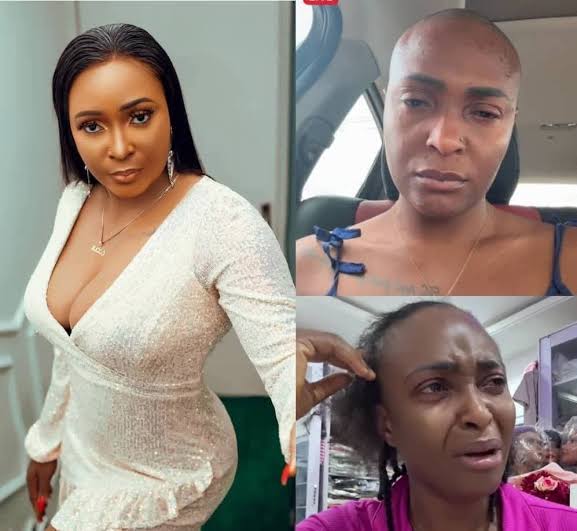
The controversy surrounding relationship therapist and social media personality Blessing Okoro, widely known as Blessing CEO, has taken a sharp and dramatic turn after days of intense public scrutiny. What began as an emotional revelation about a life threatening illness has now evolved into one of the most talked about online sagas in Nigeria this week. Following mounting criticism, allegations of forgery, and repeated challenges from critics including VeryDarkMan, Blessing CEO has finally addressed the situation publicly, offering a new version of events that has only deepened the debate.
A Sudden Change in Narrative
On Saturday, April 4, 2026, Blessing CEO appeared in an interview with popular content creator Egungun of Lagos, where she made a significant shift from her earlier claims. For the first time since the story broke, she openly admitted that she does not have Stage 4 cancer, contradicting her earlier statement that had sparked widespread sympathy and concern.
According to her, the initial claim was the result of what she described as a misunderstanding. She explained that when she first received information about her condition, she believed it meant she was in an advanced stage of cancer. However, she now says that the diagnosis is not yet fully determined. She confirmed that doctors have identified a cancerous lump in her breast, but further tests are still ongoing to establish the exact stage of the illness.
Despite the confusion and the backlash that followed her earlier announcement, Blessing maintained a firm and somewhat defiant stance. She questioned the outrage directed at her and insisted that she did not intentionally mislead anyone. In her words, she simply shared what she believed to be accurate information at the time. She also made it clear that she does not feel obligated to apologize to the public, a statement that has sparked even more reactions online.
Read more on: VDM and Blord’s Legal War
The Money Question
One of the most controversial aspects of the situation has been the issue of public donations. After announcing her condition, Blessing CEO began raising funds to support her treatment. She also put some of her personal assets, including luxury items, up for sale, which further drew attention to her situation.
During her latest interview, she addressed the growing speculation about how much money she had received. She confirmed that a total of 13 million naira has been raised so far through donations from supporters. At the same time, she dismissed claims circulating online that she had received over 100 million naira, describing those figures as exaggerated and inaccurate.
However, the issue of refunds has become a major point of contention. Some donors, feeling misled by the initial Stage 4 claim, have begun demanding their money back. Blessing’s response to this has been straightforward. She stated that the funds have already been allocated toward her treatment plans and that those requesting refunds will need to be patient. This position has not gone down well with many Nigerians, who argue that transparency and accountability are essential when public funds are involved.
Allegations of Forgery
As the story unfolded over the past week, one of the most damaging accusations came from a man who claimed that Blessing CEO had used a medical report belonging to his sister, Deborah Mbara. He alleged that the document had been altered and presented as her own, sparking widespread outrage and calls for proof.
When asked about these allegations during her interview, Blessing did not directly address the specific claims about matching serial numbers or document manipulation. Instead, she emphasized her right to privacy, insisting that her medical records are personal and not something she is required to share publicly. She maintained that she would not release her full medical details online, regardless of the pressure she faces.
Her response has been met with mixed reactions. While some people agree that medical information is private, others argue that the situation is different because she made her health condition public and used it as a basis for fundraising. The lack of clear evidence has continued to fuel skepticism, with many questioning the authenticity of her claims.
A Timeline of Escalation
The events of the past ten days have unfolded rapidly, turning what might have been a personal health matter into a national conversation. On March 25, Blessing CEO shocked her followers by announcing that she was battling Stage 4 cancer. The emotional weight of the moment was heightened when she shaved her hair on camera, a gesture that drew sympathy from fans and supporters.
The following day, social media critic VeryDarkMan began demanding proof of her diagnosis, questioning the lack of medical documentation. Blessing refused to provide evidence, citing her right to privacy. As the days went by, the tension grew, and more voices joined the conversation.
On April 1, the situation took a more serious turn when the alleged forgery claim surfaced. The accusation that she had used another person’s medical report quickly gained traction online, leading to widespread criticism. By April 3, VeryDarkMan issued a strong warning, suggesting that the situation could have serious consequences if her claims were not genuine.
Finally, on April 4, Blessing CEO appeared in the interview that would redefine the narrative. Her admission that she does not have Stage 4 cancer marked a turning point in the story, but it also raised new questions about credibility and intent.
Read more on:Omah Lay Releases ‘Clarity of Mind’ and Stakes His Place at the Top
Public Reaction and Growing Distrust
The reaction from the public has shifted significantly over the course of the week. What began as an outpouring of sympathy has gradually turned into frustration, anger, and, for some, disappointment. Many people feel that the explanation of a miscommunication is not sufficient, especially given the seriousness of a Stage 4 cancer diagnosis.
Medical professionals who have weighed in on the issue have pointed out that cancer staging is typically communicated clearly to patients. They argue that it is unlikely for such a critical detail to be misunderstood, which has added to the skepticism surrounding Blessing’s explanation.
Another aspect that has drawn criticism is her statement that controversy is part of her brand. For many observers, this comment has reinforced the belief that the situation may have been exaggerated or mishandled for attention. In a time when public trust is already fragile, this perception has only intensified the backlash.
Where Things Stand Now
As of April 4, 2026, the situation remains unresolved. Blessing CEO has acknowledged that she is dealing with a cancer diagnosis, but the exact stage of the illness is still unknown. At the same time, questions about the funds she has received and the allegations of forgery continue to linger.
There are growing calls for authorities, including the Nigerian Police Force, to investigate the matter, particularly in relation to the donations. Some Nigerians believe that a formal inquiry is necessary to determine whether any laws have been broken.
For now, the story stands as a complex mix of health concerns, public perception, and the influence of social media. It highlights the challenges that come with sharing personal struggles in the public eye, especially when financial support is involved. As more details emerge, many will be watching closely to see how the situation develops and whether it leads to accountability or closure.
Read more on:
- Simi and Adekunle Gold Welcome Their Second Child:
- Funke Akindele Keeps Quiet on Premiere Drama While Setting Her Sights on a Political Return
- Funke Akindele Keeps Quiet on Premiere Drama While Setting Her Sights on a Political Return
- From Cancer Claim to Controversy: Blessing CEO Faces Forgery Allegations