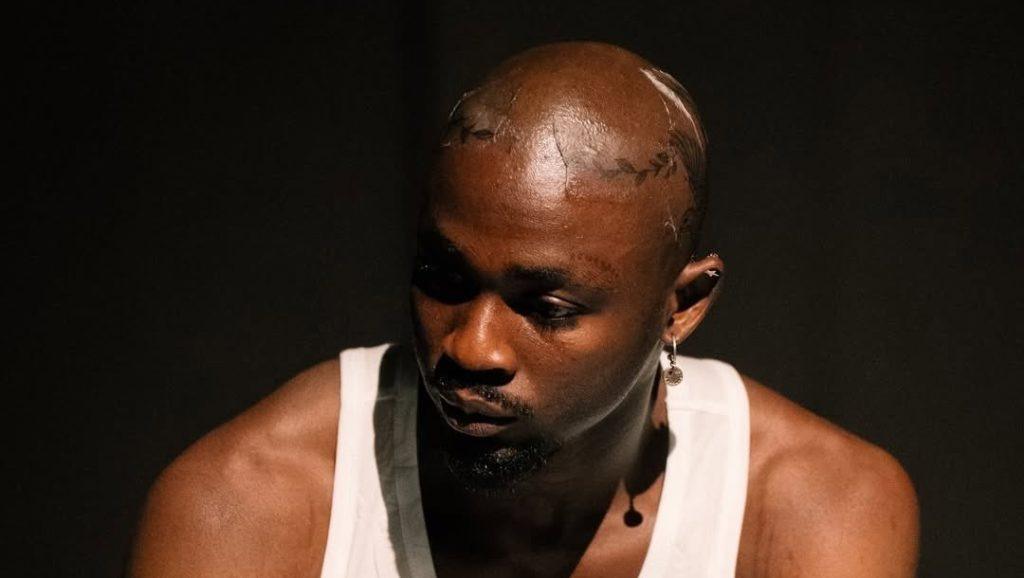
In the fast rising and highly competitive world of Afrobeats, confidence is almost as important as talent. Artists are expected to not only make hits but also command attention, shape narratives, and boldly define their place in the industry. Still, even within that culture of self belief, Omah Lay’s recent statement has stood out in a way that has sparked intense conversation across the music scene.
During a recent interview with Capital XTRA, the “Soso” singer made a striking declaration. He described himself, without hesitation, as the greatest Afrobeats artist of this decade. It was not framed as a joke or an exaggerated moment for headlines. Instead, it came across as a carefully considered position, one rooted in how he views music, creativity, and the true meaning of greatness.
What makes his claim particularly compelling is the reasoning behind it. Omah Lay is not trying to compete with the usual metrics that dominate conversations about success in Afrobeats today. He openly acknowledged that if the discussion is centered on numbers, visibility, or global fame, his name might not rank above some of the genre’s biggest stars. Artists like Wizkid, Davido, and Burna Boy have built enormous international audiences and consistently dominated charts and streaming platforms.
However, Omah Lay is deliberately shifting the focus away from those indicators. In his view, greatness should not be defined by streaming figures or social media presence. Instead, he places emphasis on artistry, on the emotional weight of music, on storytelling, and on the ability to create songs that connect deeply with listeners. For him, the essence of music lies in how it makes people feel, not just how far it travels.
Read more on: Davido’s First Coachella Performance Electrifies Fans
This perspective directly challenges the current direction of the industry, where success is often measured in real time through digital performance. The rise of viral trends and streaming culture has made it easier to quantify popularity, but it has also raised questions about whether numbers truly reflect artistic value. By separating fame from creativity, Omah Lay is essentially questioning whether the most visible artists are always the most meaningful.
His confidence is not without foundation. Since his emergence, Omah Lay has built a reputation for a distinctive sound that blends Afrobeats with elements of soul and R and B. His music often explores themes that are more introspective than what is typically associated with the genre. Love, heartbreak, loneliness, and internal struggles are recurring ideas in his work, giving his songs a level of emotional depth that resonates with a specific audience.
Projects like Boy Alone introduced listeners to a version of Afrobeats that feels more reflective and personal. Rather than relying solely on energetic rhythms designed for clubs and parties, his music invites listeners into a more intimate space. Songs like Soso gained traction not just because of their melodies but because of their honesty and relatability.
Earlier in the month, in a separate interview with Nando Leaks, he expressed concern that Afrobeats is gradually losing its soul. According to him, many artists are becoming more focused on financial success and mainstream appeal, sometimes at the expense of authenticity. That statement aligns closely with his recent comments, reinforcing the idea that his claim is part of a broader belief system rather than a spontaneous remark.
Read more on: BBNaija Star Angel Breaks Silence as Marriage Controversy Deepens Over Alleged Chats Leaked
Interestingly, in that same conversation, he pointed to Burna Boy as one of the few artists he considers to be on a similar artistic level. This acknowledgment adds nuance to his position, suggesting that while he sees himself at the top in terms of artistry, he also recognizes peers who share a commitment to depth and originality.
Despite positioning himself as someone who values art over numbers, Omah Lay’s career has still been marked by notable commercial achievements. He recently surpassed three billion streams on Spotify, a milestone that reflects both his popularity and consistency. His collaboration with Davido earned him a nomination at the 2026 Grammy Awards, further cementing his presence on the global stage.
These accomplishments make it clear that he is not operating outside the mainstream. Instead, he occupies a space where artistic identity and commercial success intersect. This balance may be what gives him the confidence to make such a bold claim, as he is not speaking from a place of obscurity but from one of established relevance.
His statement also comes at a time when more Afrobeats artists are beginning to assert themselves in similar ways. The long standing dominance of a few major names is gradually being challenged by a new generation. Rema has openly dismissed the idea of a fixed hierarchy, while Asake’s rapid rise has positioned him as one of the most consistent hitmakers in recent years.
In that context, Omah Lay’s declaration feels like part of a larger shift. However, what sets him apart is the angle of his argument. While others emphasize dominance, reach, or cultural impact, he is focused on redefining the criteria entirely. He is not just claiming the top spot, he is questioning how that spot should be determined in the first place.
Read more on: Phyna Defends Her Choices, Slams “Hypocrites” in Surgery Controversy
Unsurprisingly, reactions to his comments have been divided. Some fans have embraced his perspective, arguing that his music carries a level of depth that goes beyond temporary trends. They believe that true greatness lies in creating songs that endure, not just ones that dominate the moment.
Others, however, disagree. Critics argue that it is difficult to separate artistry from influence. They point out that artists like Wizkid and Tems have not only produced quality music but have also expanded the global reach of Afrobeats. In their view, greatness in today’s industry must include the ability to shape the genre’s presence on the world stage.
This divide reflects a broader conversation about the identity of Afrobeats as it continues to grow internationally. As the genre evolves, so do the standards by which success is measured. The balance between artistic integrity and commercial impact remains a complex and often debated issue.

At its core, Omah Lay’s statement has done more than just spark controversy. It has forced both fans and industry observers to think more deeply about what they value in music. Is greatness about numbers, visibility, and global recognition, or is it about emotional connection, creativity, and authenticity?
Read more on: Crayon Breaks Silence on Mental Health Crisis
There may not be a single answer to that question. Different listeners prioritize different aspects of music, and the definition of greatness is likely to remain subjective. However, by bringing this debate to the forefront, Omah Lay has ensured that his voice remains central to the conversation.
As he prepares for his upcoming world tour and continues to work on new material, it is clear that he is not interested in conforming to expectations. Whether or not his claim is widely accepted, it reflects a strong sense of identity and a willingness to challenge the norms of the industry.
In the end, his declaration may not settle the debate over who truly owns the decade. What it does achieve, however, is a shift in perspective. It encourages listeners to look beyond the numbers and consider the deeper qualities that make music meaningful. And in doing so, Omah Lay has positioned himself not just as a contender for greatness, but as an artist determined to define it on his own terms.
Read more on:
- Blessing CEO Faces EFCC Probe Over Alleged ₦300 Million Cancer Fund Fraud
- Orezi Remembers Late Father, Calls Out Leaders Over Nigeria’s Failing System
- Adekunle Gold and Olamide Finally Drop First-Ever Track
- Wizkid Blasts Burna Boy Over DJ Tunez Fight, Trolls Him With Baby Oil Posts
- DJ Tunez Speaks Out After Clash with Burna Boy