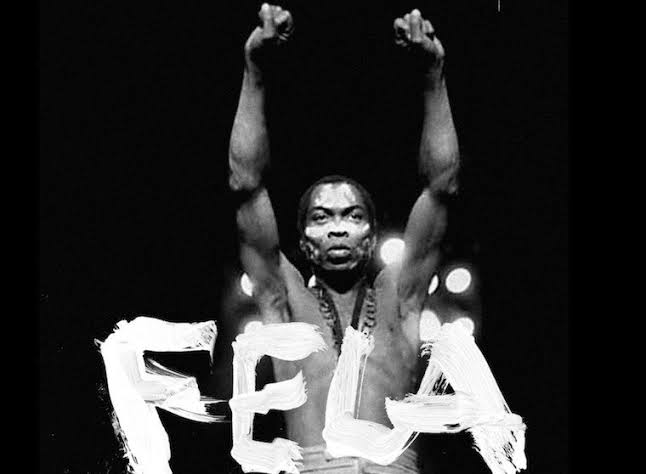
More than two decades after his death, Nigeria’s legendary Afrobeat pioneer Fela Anikulapo Kuti has been officially inducted into the Rock and Roll Hall of Fame Class of 2026. The announcement has triggered widespread celebration across Nigeria, Africa, and the global music community, as one of the continent’s most influential cultural figures finally receives recognition at one of the highest levels in global music history.
Fela’s induction is being widely described as a landmark moment, not only for his legacy but also for African music as a whole. It marks the first time a Nigerian born solo artist has been honored in this way, reinforcing the global importance of Afrobeat and acknowledging its deep influence on modern popular music. For many observers, this recognition is long overdue, considering the scale of Fela’s artistic innovation and political impact during his lifetime.
The official announcement of the Rock and Roll Hall of Fame Class of 2026 was made during a live television broadcast in the United States on April 13. The reveal took place on American Idol, where host Ryan Seacrest, alongside music legend Lionel Richie, presented this year’s inductees to a global audience. The class includes a wide range of artists whose contributions have significantly shaped different eras and genres of music.
Fela Kuti was inducted under the Early Influence category, a special designation reserved for musicians whose work predates and profoundly shapes the development of rock and roll and modern popular music. This category is used to recognize artists whose influence may not have always been fully acknowledged in their time but whose creative contributions have since been understood as foundational.
Read more on: Afrobeats Takes Center Stage at AMAs 2026
Alongside Fela in the Early Influence category are several other legendary figures. These include Queen Latifah and MC Lyte, both of whom are recognized as pioneers in the development of female rap and hip hop culture. Also included is Celia Cruz, widely known as the Queen of Salsa, whose voice and artistry helped bring Latin music into global prominence. Gram Parsons, often credited with helping to shape the sound of country rock through his experimental approach to American music, is also part of this distinguished group. Together, these inductees represent a diverse and global range of musical innovation.
For Nigeria and the African continent, the 2026 induction carries additional significance beyond Fela’s inclusion alone. Another major moment in the same class is the induction of Sade Adu, the Nigerian born British singer whose smooth blend of soul, jazz, and pop has earned her international acclaim for decades. Sade is being inducted in the Performer category, which recognizes artists for their direct contributions as performers and recording artists. She joins a group of globally influential names including Phil Collins, Oasis, Iron Maiden, Wu Tang Clan, and Luther Vandross.
This means that 2026 stands out as one of the most important years for African representation in the Rock and Roll Hall of Fame. While artists such as Freddie Mercury, who was born in Tanzania, and Trevor Rabin of South Africa have previously been inducted as members of bands, Fela Kuti’s recognition is especially historic. He is being honored as a solo artist whose entire musical identity and innovation were rooted in Africa, developed independently, and projected to the world without dilution or adaptation to Western expectations.
Fela’s journey to this moment has been long and marked by consistent global advocacy from fans and musicians who have always considered him one of the most important figures in modern music history. He was first nominated in 2021, but it took several years of sustained campaigning, cultural reassessment, and growing recognition of African music’s global influence for his induction to become a reality.
Read more on: Omah Lay Doubles Down as the “Decade’s Best” Afrobeats Act
Over the years, his supporters across the world, particularly in Nigeria, have kept his legacy alive through continuous online campaigns, cultural events, and musical tributes. His name frequently appeared in fan driven voting campaigns associated with the Hall of Fame process, reflecting the deep emotional and cultural connection many still feel toward his work.
The Class of 2026 was selected through a voting process involving more than one thousand two hundred artists, historians, and industry professionals. This broad and diverse voting body is responsible for evaluating the long term impact and artistic significance of nominees, rather than their short term commercial success alone. Fela’s inclusion is therefore seen as a strong acknowledgment from music experts that his influence transcends geography, language, and genre.
His induction also comes shortly after another major posthumous recognition earlier in the year. In January 2026, Fela was awarded the Grammy Lifetime Achievement Award, further cementing his place as one of the most important figures in global music history. Taken together, these honors suggest a growing global reassessment of African artists and their foundational role in shaping contemporary music.
The Rock and Roll Hall of Fame has described Fela Kuti’s influence as deeply rooted in the creation and development of Afrobeat, a genre he pioneered by blending elements of American jazz, funk, and traditional West African Highlife music. However, the recognition goes beyond musical structure alone. It also acknowledges the powerful political and cultural dimension of his work.
Read more on: Davido’s First Coachella Performance Electrifies Fans
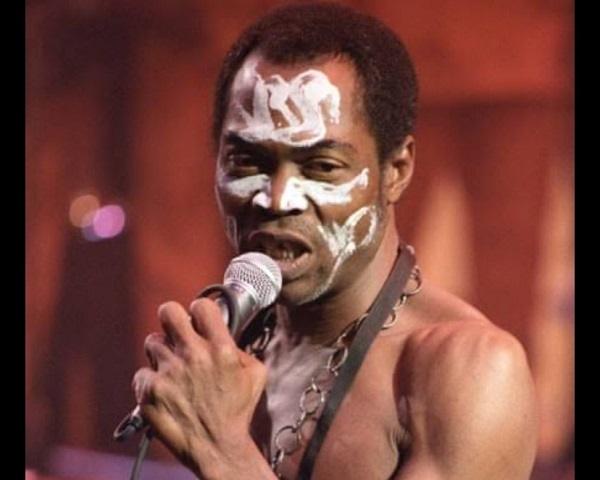
Fela was not only a musician but also a political activist who used his music as a platform for resistance. Through his performances at the famous Afrika Shrine, he consistently challenged military regimes, criticized corruption, and spoke out against social injustice in Nigeria. His songs were often long, complex compositions filled with sharp social commentary, rhythmic intensity, and fearless criticism of authority.
His approach to music was revolutionary in both sound and message. He transformed the stage into a space for political expression and cultural identity, turning Afrobeat into more than just entertainment. It became a form of protest, education, and resistance. This fusion of art and activism is a key reason why his influence continues to resonate strongly in modern music.
Today, many of the world’s biggest artists openly acknowledge Fela’s impact on their work. From global superstars like Beyoncé and Jay Z to leading Afrobeats artists such as Burna Boy, Wizkid, and Davido, the echoes of Fela’s musical and ideological blueprint can be clearly seen. His influence is present in the rhythm structures, the extended musical arrangements, and the socially conscious themes that continue to shape contemporary African and global music.
One member of the Hall of Fame nomination committee summarized his importance by stating that Fela did not simply create music, but built an entire cultural movement. According to this perspective, his induction is not just about recognizing a musician from the past, but about acknowledging Africa’s central role in the development of global rhythm and sound.
Read more on: BBNaija Star Angel Breaks Silence as Marriage Controversy Deepens Over Alleged Chats Leaked
The official induction ceremony is scheduled to take place on November 14, 2026, at the Peacock Theater in Los Angeles. The event will bring together some of the most influential figures in global music for a night of performances, tributes, and historical reflection. It will be broadcast live on Disney Plus and later aired as a special program on ABC, allowing audiences around the world to witness the celebration of Fela’s legacy.
As anticipation builds toward the ceremony, there is a growing sense that this moment represents more than just an award. For many, it is a symbolic return of Afrobeat to the global center stage, where its origins and influence are finally being fully recognized. It also serves as a reminder of how far African music has come in terms of global acceptance and influence.
Fela Kuti’s induction into the Rock and Roll Hall of Fame is ultimately a recognition of a life and legacy that changed the direction of music history. It confirms what his supporters have long believed, that his work was not only groundbreaking but foundational to much of what defines modern music today.
As the world prepares for his official induction ceremony, the spirit of Kalakuta Republic and the message of Afrobeat continue to live on. Fela’s voice, once considered rebellious and controversial, now stands as a celebrated force in global culture. His legacy, once contested, is now firmly enshrined among the greatest musical innovators in history.
Read more on:
- Phyna Defends Her Choices, Slams “Hypocrites” in Surgery Controversy
- Crayon Breaks Silence on Mental Health Crisis
- Blessing CEO Faces EFCC Probe Over Alleged ₦300 Million Cancer Fund Fraud
- Orezi Remembers Late Father, Calls Out Leaders Over Nigeria’s Failing System
- Adekunle Gold and Olamide Finally Drop First-Ever Track