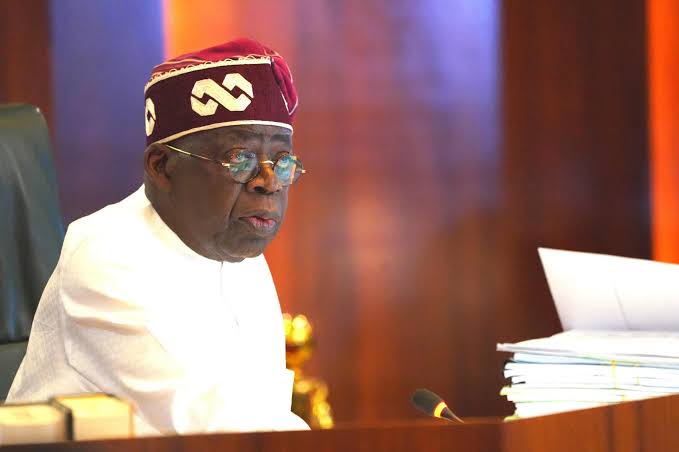
President Bola Ahmed Tinubu has formally laid out Nigeria’s fiscal roadmap for the coming year, signing the ₦68.32 trillion 2026 Appropriation Bill into law on Friday, April 17, 2026. In what is being described as a calculated and strategic move, the President also approved an extension of the 2025 budget cycle. This decision is aimed at ensuring that ongoing projects are not abruptly halted, a common issue that has historically disrupted public sector execution whenever a fiscal year ends.
The dual decision to both launch a record-breaking budget and extend the previous one reflects an effort by the administration to stabilize government spending patterns, improve execution, and ultimately deliver more visible results across key sectors of the economy. It also signals a shift toward a more structured and predictable fiscal framework, which has long been a concern for both domestic stakeholders and international investors.
At the heart of this development is the newly signed ₦68.32 trillion budget for 2026, which the administration has described as a “Budget of Consolidation and Inclusive Growth.” The scale of this budget marks a significant increase compared to previous years, underlining the government’s intention to accelerate development while maintaining commitments to debt servicing and administrative responsibilities. Notably, the budget is set to take effect from April 1, 2026, aligning with the government’s broader goal of achieving a unified and consistent budget cycle.
A closer look at the structure of the budget reveals how the funds are to be allocated across major sectors. The largest portion has been dedicated to capital expenditure, which stands at ₦32.2 trillion. This allocation is designed to fund the Development Fund, targeting critical areas such as infrastructure, power generation, transportation networks, and national security. The emphasis on capital spending highlights the administration’s focus on long-term growth and productivity, with the expectation that these investments will stimulate economic activity and improve living standards across the country.
Debt servicing accounts for the second-largest share, with ₦15.8 trillion earmarked to meet Nigeria’s financial obligations. This allocation reflects the reality of the country’s growing debt profile and underscores the government’s commitment to maintaining its credibility in global financial markets. By ensuring that debt obligations are met, the administration aims to preserve investor confidence and avoid potential disruptions that could arise from defaults or delayed payments.
Read more on: Ex-Humanitarian Minister, Others Declared Wanted
Recurrent expenditure has been allocated ₦15.4 trillion. This portion of the budget covers the day-to-day operational costs of running the government, including salaries for civil servants, administrative expenses, and other non-debt obligations. While often criticized for consuming a large share of government resources, recurrent spending remains essential for maintaining the machinery of governance.
In addition, ₦4.799 trillion has been set aside for statutory transfers. These funds are allocated to constitutionally mandated bodies such as the judiciary, the Independent National Electoral Commission, and other key institutions. These transfers ensure that critical arms of government continue to function independently and effectively.
One of the standout features of the 2026 budget is the significant share allocated to capital expenditure, which accounts for nearly half of the total spending. This represents a deliberate shift in fiscal priorities, moving away from a system heavily weighted toward recurrent costs and toward one that emphasizes development and infrastructure. The administration has framed this as a key component of its Renewed Hope Agenda, which seeks to drive economic transformation through targeted investments.
Alongside the unveiling of the new budget, the extension of the 2025 budget has drawn considerable attention. Under the newly approved amendment, the implementation period for the capital component of the 2025 budget has been extended from March 31 to June 30, 2026. This three-month extension is intended to provide Ministries, Departments, and Agencies with the additional time needed to complete ongoing projects, particularly those that are already near completion.
Read more on: 10-Day Israel–Lebanon Ceasefire Begins
The rationale behind this move is rooted in the government’s desire to avoid the inefficiencies and disruptions that often accompany abrupt budget transitions. In previous years, projects have frequently been abandoned or delayed due to the expiration of budget cycles, leading to wasted resources and unfinished infrastructure. By extending the timeline, the administration hopes to ensure that these projects are brought to completion, thereby maximizing the value of public spending.
President Tinubu has also used this opportunity to address what he described as the longstanding problem of overlapping budgets. In his remarks, he emphasized the need to end the practice of operating multiple budgets simultaneously, a situation that has complicated fiscal planning and undermined accountability. The extension of the 2025 budget is therefore seen as a transitional measure, designed to bridge the gap and pave the way for a single, streamlined budget cycle moving forward.
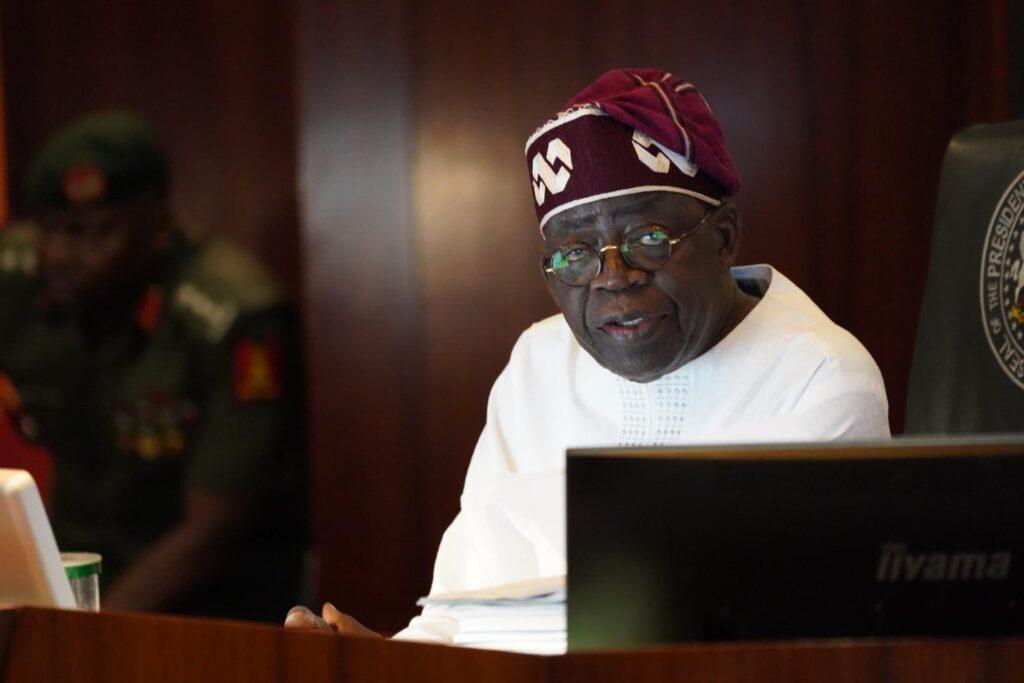
During the signing ceremony in Abuja, the President issued a clear directive to all Ministries, Departments, and Agencies regarding the use of public funds. He stressed that there would be no tolerance for inefficiency, waste, or underperformance. According to him, discipline and transparency must guide all aspects of budget implementation in the current fiscal year.
He also commended the National Assembly for its prompt handling of the budget, noting that the level of cooperation between the executive and legislative branches has reached a new high. This alignment, he suggested, has been instrumental in ensuring the timely passage and signing of the appropriation bill, thereby reducing delays that have plagued previous budget cycles.
Read more on: Trump Makes Major Announcement on Nuclear Agreement With Iran
The President further tasked government agencies with delivering tangible results, particularly in areas that directly impact citizens’ lives. Food security and national defense were highlighted as top priorities, reflecting ongoing concerns about rising food prices and security challenges in various parts of the country. By directing resources toward these areas, the administration aims to address some of the most pressing issues facing Nigerians today.
From an economic perspective, the implications of the 2026 budget are significant. On one hand, the scale of spending represents an opportunity to stimulate growth, create jobs, and improve infrastructure. Increased capital investment has the potential to boost productivity, enhance connectivity, and attract private sector participation.
On the other hand, the success of the budget will largely depend on the government’s ability to generate sufficient revenue to support its ambitious plans. With total expenditure exceeding ₦68 trillion, there is considerable pressure on revenue-generating agencies, particularly the Federal Inland Revenue Service and the oil sector. Any shortfall in revenue could lead to increased borrowing, which would further strain the country’s debt profile.
Inflation is another area of concern. Some analysts have warned that such a large injection of funds into the economy could drive up prices, especially if it is not accompanied by a corresponding increase in the supply of goods and services. This highlights the importance of ensuring that capital projects are executed efficiently and that investments translate into real economic output.
Read more on: Tinubu: I Won’t Be Scared by Opposition or Shirk Nigeria’s Challenges
Despite these challenges, there are reasons for cautious optimism. The move toward a single budget cycle is expected to improve fiscal discipline and enhance Nigeria’s reputation among investors. Predictability and consistency in government spending are key factors that influence investment decisions, and the new approach could help attract both local and foreign capital.
As of April 17, 2026, the 2026 Appropriation Act is now officially in effect, and the focus shifts to implementation. In the coming months, Nigerians are likely to witness increased activity across various sectors, particularly in infrastructure development. At the same time, government agencies will be working to utilize the extended 2025 budget funds before the June deadline.
This overlapping period, while temporary, is expected to create a surge in project execution as agencies strive to meet deadlines and deliver results. If managed effectively, it could mark the beginning of a more efficient and impactful era in Nigeria’s fiscal management.
Ultimately, the true measure of the 2026 budget will lie not in its size but in its execution. The administration has set ambitious targets and outlined a clear vision, but achieving these goals will require discipline, coordination, and a strong commitment to accountability at all levels of government. Nigerians, in turn, will be watching closely to see whether this historic budget translates into meaningful improvements in their daily lives.
Read more on
- Gunmen Abduct UTME Candidates on Benue Highway
- Security Report Warns of Planned Terrorists Attacks on Airports and Prisons in Two States
- Trump says Israel and Lebanon leaders will hold talks for the first time in 34 years
- APC Dismisses Implosion Claims as Defections Strengthen Its Grip Ahead of 2027 Election
- Trump Claims China Will Halt Arms Sales to Iran to Reopen Hormuz