Nigeria’s current news landscape is being shaped by a major legal confrontation that has drawn nationwide attention and reignited debates about accountability in public office. At the center of this unfolding situation is the Federal Capital Territory High Court and the former leadership of the Ministry of Humanitarian Affairs, Disaster Management, and Social Development. What began as an investigation has now escalated into a dramatic courtroom development, with serious implications for Nigeria’s anti corruption efforts.
In what many observers see as a defining moment in the country’s fight against financial misconduct, the court has taken decisive action against a former cabinet member and several senior officials. This move has been widely interpreted as a clear indication that the judiciary is willing to pursue high profile cases without fear or favoritism. It also reinforces the growing sentiment that public office holders, regardless of their status, must answer for their actions when called upon by the law.
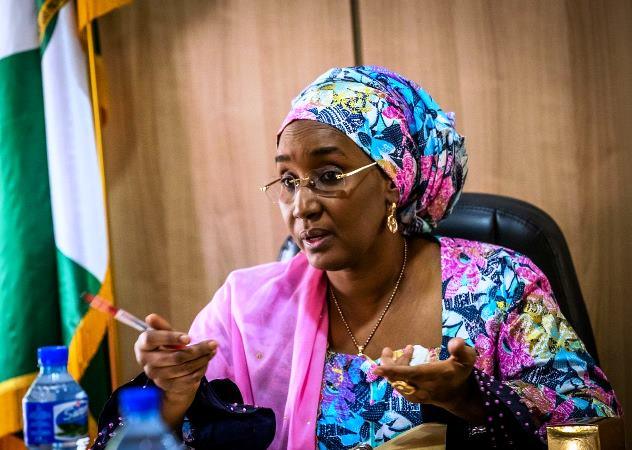
On April 16, 2026, Justice Jude Onwuegbuzie of the FCT High Court issued a bench warrant for the arrest of Sadiya Umar Farouq, who served as Nigeria’s Minister of Humanitarian Affairs between 2019 and 2023. The warrant was granted after the former minister and other defendants failed to appear in court for their scheduled arraignment. Their absence, despite prior notice and legal procedures, became a key factor in the court’s decision to escalate the matter.
Court proceedings revealed that the Economic and Financial Crimes Commission had already granted administrative bail to the accused individuals. However, according to an affidavit submitted by the anti graft agency, the defendants did not comply with the conditions attached to that bail, particularly the requirement to present themselves in court. This failure to honor the summons appears to have tested the patience of the court, leading to the issuance of the arrest order.
Among those named in the case, Sadiya Umar Farouq stands as the central figure due to her former position and the level of authority she held while in office. Another individual, Sani Nafiu Mohammed, identified as the third defendant, was notably present in court during the hearing. His appearance highlighted the contrast with the absence of the others and may influence how the court perceives cooperation among the accused.
Read more on: 10-Day Israel–Lebanon Ceasefire Begins
The EFCC, which is leading the prosecution, has described the case as part of a broader investigation into what it calls a deeply entrenched network of financial irregularities within the ministry. While the immediate charge before the court involves an alleged fraud of 746.6 million naira, investigators suggest that this figure represents only a fraction of a much larger pattern of mismanagement and diversion of public funds.
According to the allegations, the funds in question were originally intended for social intervention programs aimed at supporting Nigeria’s most vulnerable populations. These programs are designed to provide relief and assistance to citizens facing economic hardship, making the alleged diversion particularly troubling. The EFCC claims that between May 2021 and September 2022, significant sums were redirected away from their intended purpose, raising concerns about the impact on those who were meant to benefit.
The legal framework for the charges is rooted in Section 315 of the Penal Code, which addresses criminal breach of trust by public officers. This section is often invoked in cases where individuals entrusted with public resources are accused of using those resources for unauthorized purposes. If proven, such offenses carry serious legal consequences and further underscore the gravity of the allegations.
Beyond the specific amount cited in this case, the investigation has reportedly uncovered a wider scope of financial misconduct within the ministry. Previous findings have mentioned figures as high as 37.1 billion naira linked to various transactions and contracts. The EFCC has also disclosed that it has recovered over 32.7 billion naira and 445,000 dollars in the course of its ongoing inquiries. These recoveries suggest that the scale of the alleged wrongdoing extends far beyond the current charges.
Read more on: Trump Makes Major Announcement on Nuclear Agreement With Iran
The ministry itself has been under intense scrutiny since the change of administration in 2023. What was once seen as a critical institution for delivering humanitarian support has now become a focal point for allegations of corruption and mismanagement. This shift has not only affected public perception but has also prompted a series of investigations into both past and present leadership within the organization.
Earlier probes revealed that funds were allegedly distributed across dozens of bank accounts linked to various contractors. Some of these accounts were reportedly used to channel money into personal acquisitions, including luxury vehicles and high value properties in cities such as Abuja and Enugu. These revelations have added another layer of complexity to the case and have fueled public outrage over the alleged misuse of resources meant for poverty alleviation.
The scope of the investigation has also expanded to include several major funding streams that passed through the ministry. These include funds allocated for COVID 19 intervention efforts, loans obtained from the World Bank, and even portions of recovered assets from the Abacha regime that were designated for social welfare programs. Each of these categories carries its own significance, as they represent resources that were intended to address critical national challenges.
For many Nigerians, the inclusion of these funds in the investigation raises serious questions about oversight and accountability. COVID 19 intervention funds, for instance, were meant to provide urgent support during a global health crisis. Similarly, World Bank loans are typically tied to specific development objectives and come with expectations of transparency. The alleged mismanagement of such funds has therefore amplified concerns about governance and the effective use of public resources.
Read more on: Tinubu: I Won’t Be Scared by Opposition or Shirk Nigeria’s Challenges
Justice Onwuegbuzie’s decision to issue a bench warrant has been widely viewed as a strong statement from the judiciary. It underscores the principle that no individual is above the law, regardless of their previous position or influence. During the proceedings, the prosecution argued that the defendants’ failure to appear was not merely an oversight but a deliberate attempt to delay the legal process. This argument appears to have resonated with the court, which responded by taking firm action.
The sentiment expressed during the hearing reflects a broader expectation that those accused of wrongdoing must engage with the legal system in good faith. Ignoring court summons, particularly in high profile cases, can undermine public confidence in the justice system. By issuing the warrant, the court has signaled its commitment to ensuring that due process is followed and that accountability is enforced.
With the warrant now in effect, law enforcement agencies, including the EFCC, have been tasked with locating and bringing the former minister before the court. This development marks the beginning of a new phase in the case, one that could involve further legal maneuvers and potentially significant consequences for those involved.
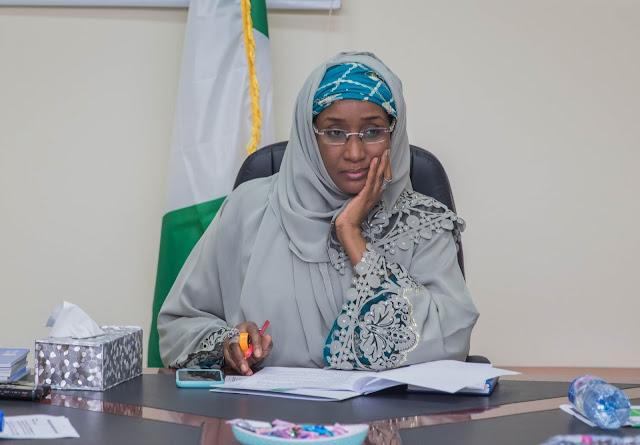
At the same time, public attention remains focused on related cases, including that of Betta Edu, another figure connected to the ministry who has been under investigation. The overlap between these cases has contributed to the perception of a broader pattern of issues within the ministry, rather than isolated incidents. For many observers, the outcome of these cases will serve as an important measure of the government’s commitment to tackling corruption.
Read more on: Gunmen Abduct UTME Candidates on Benue Highway
The stakes are particularly high because the funds in question were intended to support some of the most vulnerable members of society. Allegations of misappropriation in this context resonate deeply with the public, as they touch on issues of fairness, trust, and the role of government in providing for its citizens. The idea that resources meant for poverty alleviation may have been diverted for personal gain has intensified calls for accountability.
As the situation continues to develop, there is a growing sense that this case could set a precedent for how similar matters are handled in the future. If the prosecution is able to present compelling evidence and secure convictions, it could reinforce the message that corruption will not be tolerated, regardless of the individuals involved. On the other hand, any perception of leniency or inconsistency could have the opposite effect, potentially undermining public confidence.
For now, the focus remains on the immediate task of enforcing the court’s order and ensuring that all parties appear before the law. The coming days and weeks are likely to bring further developments, including possible arrests, additional charges, and more detailed disclosures about the alleged activities within the ministry.
In the broader context, this case highlights the ongoing challenges facing Nigeria in its efforts to strengthen institutions and promote transparency. It also underscores the importance of a functioning judicial system that is capable of addressing complex and high profile cases. While the outcome remains uncertain, the current developments have already sent a clear message about the expectations placed on public officials.
Ultimately, the unfolding legal drama is more than just a story about one former minister or a specific amount of money. It is a reflection of the broader struggle to ensure that public resources are used for their intended purposes and that those entrusted with power are held accountable for their actions. As Nigerians watch closely, the case stands as a test of both the legal system and the political will to confront corruption at the highest levels.
Read more on:
- Security Report Warns of Planned Terrorists Attacks on Airports and Prisons in Two States
- Trump says Israel and Lebanon leaders will hold talks for the first time in 34 years
- APC Dismisses Implosion Claims as Defections Strengthen Its Grip Ahead of 2027 Election
- Trump Claims China Will Halt Arms Sales to Iran to Reopen Hormuz
- APC Moves to Rein In Defectors as Atiku and Presidency Clash Over Jilli Airstrike