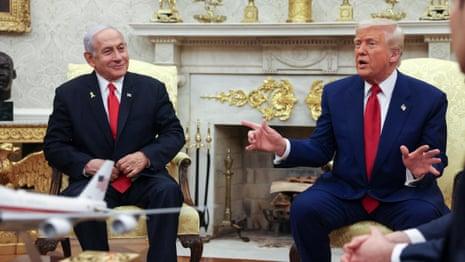
In what is being described by diplomatic observers as one of the most significant and unexpected geopolitical developments in recent years, President Donald Trump on Thursday, April 16, 2026, announced that the United States and Iran are now “very close” to finalizing a comprehensive nuclear peace agreement. The statement, delivered from the South Lawn of the White House shortly before his scheduled departure for Las Vegas, immediately triggered intense global attention and speculation about the future of nuclear diplomacy in the Middle East.
According to the President, the breakthrough represents the culmination of months of escalating tensions, back channel communications, and indirect negotiations that have taken place against the backdrop of military confrontations earlier in the year. Trump described the current moment as a turning point, suggesting that Iran has made what he called a major concession by agreeing to relinquish its stockpile of enriched uranium, which he referred to in informal terms as “the nuclear dust.”
His remarks were delivered in a confident and celebratory tone, presenting the development as evidence that sustained pressure combined with diplomatic engagement has finally produced results. He told reporters that Iran has agreed to nearly all of the key conditions outlined by Washington, including the central demand that Tehran permanently abandon any pathway toward developing a nuclear weapon. In his words, the negotiations had reached a point where the remaining differences were minimal, and the two sides were now closer than ever to sealing a formal agreement.
The President emphasized that the potential deal is not a limited arrangement, but rather a broad and comprehensive framework designed to ensure long term regional stability. He suggested that Iran’s willingness to surrender its enriched uranium marks a fundamental shift in its negotiating position, one that had not been anticipated by many analysts who have closely followed the standoff between the two countries. While he stopped short of confirming that all details had been finalized, he repeatedly stressed that the parties were effectively on the verge of reaching full agreement.
Read more on: Tinubu: I Won’t Be Scared by Opposition or Shirk Nigeria’s Challenges
A key element of the President’s announcement was the role played by Pakistan in facilitating the latest round of discussions. Trump publicly praised Pakistani leadership, specifically naming Prime Minister Shehbaz Sharif and Army Chief Asim Munir, for what he described as their constructive and “really great” involvement in helping bridge communication between Washington and Tehran. He indicated that Pakistan had served as an important intermediary during sensitive stages of the negotiations, helping to maintain dialogue when direct engagement between the United States and Iran remained politically difficult.
He further revealed that Vice President JD Vance had recently led a high level delegation to Islamabad, which, while initially perceived as inconclusive, now appears to have laid the foundation for the current breakthrough. According to the President, those discussions helped establish trust channels and clarified several technical issues that had previously stalled progress. He suggested that the success of the broader negotiation effort can be traced back to those meetings, which quietly advanced what he now refers to as the “Islamabad channel” of diplomacy.
Trump also indicated that he may travel personally to Islamabad to participate in or oversee the final signing of the agreement, depending on how the remaining stages of negotiation unfold. While no official itinerary has been confirmed, the suggestion of a presidential visit underscores the importance the administration is placing on the diplomatic role of Pakistan in this process.
Although the full content of the proposed agreement has not been officially released, sources familiar with the negotiations have described a structured framework that reportedly includes multiple components aimed at ensuring compliance, verification, and long term enforcement. Central to the agreement is Iran’s commitment to cease all uranium enrichment activities and transfer existing enriched material out of its territory. This provision is intended to eliminate any immediate pathway toward weapons grade capability.
In addition to nuclear restrictions, the draft framework reportedly includes provisions related to the Strait of Hormuz, one of the world’s most strategically important shipping routes. Under the emerging terms, Iran would agree to guarantee safe passage and the uninterrupted flow of global oil shipments through the waterway, a move that could significantly reduce tensions in global energy markets and stabilize supply chains that have been under pressure in recent months.
Read more on: Gunmen Abduct UTME Candidates on Benue Highway
Another major component of the deal involves sanctions relief. The United States is expected to gradually lift a range of economic and financial sanctions imposed on Iran, contingent upon verified compliance with nuclear restrictions and other agreed conditions. This relief would likely be phased and closely monitored, with specific benchmarks determining the pace at which restrictions are removed.
The agreement also reportedly includes provisions for the unfreezing of Iranian assets held in international financial institutions. These funds, which have been inaccessible due to sanctions regimes, could potentially be released in stages as part of a broader effort to normalize economic relations. However, officials familiar with the matter suggest that strict oversight mechanisms would remain in place to ensure that released funds are not diverted toward prohibited activities.
A notable feature of the negotiations is what has been informally referred to as the Islamabad protocol, a diplomatic arrangement that designates Pakistan as the central venue for final consultations and potentially the signing ceremony itself. This unusual arrangement reflects both Pakistan’s active mediation role and the complex geopolitical sensitivities surrounding direct U.S. Iran engagement. It also highlights the increasingly multipolar nature of international diplomacy, where third party states often play decisive roles in facilitating agreements between rival powers.
The tone of the current negotiations represents a significant departure from earlier stages of the crisis. Only weeks ago, the international environment was marked by heightened tensions following a series of military strikes in February and March, as well as a fragile ceasefire that took effect in early April. At that time, discussions of regime change and further escalation were still circulating within political and strategic circles, and many observers believed that the conflict could spiral into a broader regional confrontation.
Read more on: Security Report Warns of Planned Terrorists Attacks on Airports and Prisons in Two States
However, the President’s remarks on Thursday reflected a clear shift in emphasis from confrontation to negotiation. Rather than focusing on military pressure, he highlighted the importance of diplomacy and deal making, suggesting that sustained engagement has created an opportunity for a historic settlement. He noted that while there had been moments of extreme tension, particularly following the February 28 strikes, the current trajectory now points toward de escalation and potential long term peace.
International reactions to the announcement have been mixed, with both optimism and skepticism shaping early responses. In Washington, some lawmakers have called for immediate briefings on the terms of the agreement, particularly regarding verification mechanisms and enforcement structures. They have expressed concern about how compliance will be monitored and whether Iran could retain any undisclosed nuclear capabilities despite the proposed transfer of enriched material.
In Tehran, officials have adopted a more cautious tone. While there has been no official confirmation of a finalized agreement, previous statements from Iranian Foreign Minister Abbas Araghchi have suggested that negotiations were progressing but remained sensitive. Analysts point to economic pressures and internal political considerations within Iran as possible factors encouraging a willingness to reach compromise at this stage.
Global energy markets reacted swiftly to the news, with oil prices showing signs of decline after previously surging due to fears of disruption in the Strait of Hormuz. Traders interpreted the announcement as a potential reduction in geopolitical risk, leading to a recalibration of expectations regarding global supply stability. However, market analysts also warned that volatility could persist until a formal agreement is signed and implemented.
As discussions continue, the White House is working closely with Pakistani officials to determine the timing and structure of the next round of negotiations. Diplomatic sources suggest that if current momentum is sustained, the agreement could become one of the most consequential nuclear non proliferation deals in modern history. Yet, despite the optimistic tone from Washington, key details remain unresolved, and the situation is still evolving.
Read more on: Trump says Israel and Lebanon leaders will hold talks for the first time in 34 years
For now, the world remains in a state of cautious observation, waiting to see whether the rhetoric of progress will translate into a fully signed and enforceable agreement. While President Trump has described the development as being “very close” to completion, diplomatic experts caution that final stages of such negotiations are often the most complex and unpredictable.
The coming days are expected to determine whether this moment becomes a defining breakthrough in global nuclear diplomacy or another near miss in a long history of strained U.S. Iran relations.
Read more on:
- APC Dismisses Implosion Claims as Defections Strengthen Its Grip Ahead of 2027 Election
- Trump Claims China Will Halt Arms Sales to Iran to Reopen Hormuz
- APC Moves to Rein In Defectors as Atiku and Presidency Clash Over Jilli Airstrike
- Akpabio Sets 2027 Timeline for Insecurity, Defends Tinubu, Reacts to U.S. Staff Reduction
- Atiku Accuses INEC of Undermining Democracy
- Benin Republic Announces New President-Elect