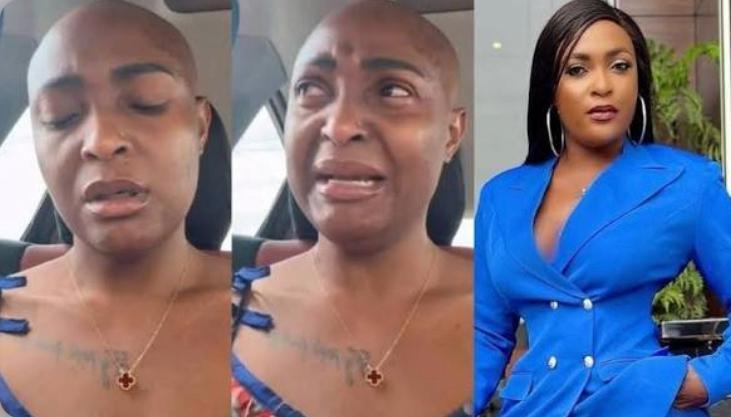
In a development that has left many Nigerians both shocked and deeply divided, popular relationship blogger Blessing Okoro, widely known as Blessing CEO, has begun returning money donated to her following the controversy surrounding her widely publicized claim that she was battling Stage 4 breast cancer. What started as a deeply emotional appeal for sympathy and financial support has now spiraled into one of the most talked-about social media scandals in recent memory, forcing a dramatic reversal that has raised serious questions about trust, accountability, and the power of online influence.
For weeks, Blessing CEO dominated conversations across Instagram, TikTok, and X, drawing both sympathy and skepticism after she shared videos in which she appeared visibly distressed while speaking about what she described as a terminal diagnosis. In those videos, she claimed that her condition had progressed to Stage 4 and suggested that her time might be limited. The emotional tone of her posts moved many followers, some of whom responded by sending financial contributions to support her supposed treatment.
However, as the story gained traction, inconsistencies began to surface. Medical professionals and concerned observers started questioning the authenticity of the documents she posted online. Certain details in the test results she displayed did not align with standard medical reporting formats, prompting further scrutiny. What initially seemed like a personal health battle soon became a public controversy as more voices joined in to demand clarity.
The situation escalated dramatically when a woman identified as Ifeomachukwu Mbara came forward with a startling claim. She alleged that the medical report Blessing CEO had shared actually belonged to her. This revelation intensified the already growing suspicion and shifted public sentiment sharply. What had been a story of sympathy quickly turned into one of outrage, with many accusing the influencer of exploiting a sensitive issue for financial gain.
Read more on: Laycon Reflects on How BBNaija Win Saved His Mother’s Life
Amid the rising tension, social commentator VeryDarkMan stepped into the conversation, amplifying calls for accountability. Known for his outspoken stance on social issues, he used his platform to challenge Blessing CEO’s claims and rally public attention toward what he described as a serious act of deception. His involvement brought even more visibility to the issue, drawing in a wider audience and increasing pressure on Blessing CEO to respond.
Institutional voices soon joined the chorus of criticism. The Nigerian Cancer Society reportedly expressed concern over the situation, emphasizing the damaging effect such claims could have on genuine patients and ongoing advocacy efforts. According to experts, cases like this risk undermining public trust in legitimate fundraising campaigns, making it harder for those truly in need to receive support.
As the backlash intensified, Blessing CEO found herself increasingly cornered. A widely discussed interview on Arise TV did little to ease the situation. Instead, it appeared to deepen doubts, as viewers noted inconsistencies in her explanations regarding her diagnosis and medical records. The interview quickly went viral, with many criticizing her inability to provide clear and convincing answers.
Shortly after the interview, both Blessing CEO and her partner, IVD, temporarily deactivated their social media accounts. Their sudden disappearance only fueled speculation, with many interpreting it as an attempt to avoid the mounting criticism. During this period, conversations about the scandal continued to dominate online spaces, with debates ranging from ethical concerns to legal implications.
Read more on: Davido and Chris Brown Finally Set to Release Long-Awaited Joint Album
When Blessing CEO eventually returned to social media, her message took a different tone. In a video that quickly spread across multiple platforms, she appeared to walk back her earlier claims. Rather than reaffirming her cancer diagnosis, she described the situation as a misunderstanding and introduced a new explanation, stating that she had been mentally unwell at the time she made the posts.
In that same video, she made a firm promise that caught the attention of both supporters and critics. She stated that she would return all the money she had received from donors, emphasizing that she did not want to keep any funds tied to the controversy. She urged those who had contributed to check their bank accounts, claiming that the refund process had already begun.
Since then, numerous individuals on social media have shared evidence suggesting that the refunds are indeed being processed. Screenshots of bank alerts and transaction reversals have circulated widely, lending some credibility to her claim that she is actively returning the money. While the exact total amount raised remains uncertain, estimates suggest that the fundraiser brought in millions of naira within a very short period, making the refund effort a significant logistical undertaking.
Despite this move, public opinion remains sharply divided. Some individuals view the refunds as a necessary step toward accountability, acknowledging that returning the money is better than refusing to address the issue. Others, however, argue that the damage has already been done and that financial restitution alone cannot undo the emotional and psychological impact of the situation.
Read more on: Mr P disclose his change of birthday date amid ongoing fued with twin brother Paul
Legal experts have also weighed in, pointing out that refunding the money may not be enough to shield her from potential consequences. There are growing calls for authorities to investigate the matter, particularly given the seriousness of the initial claims. Allegations involving false representation of a life-threatening illness for financial gain could carry legal implications, depending on how the situation is interpreted under Nigerian law.
Beyond the legal dimension, the controversy has sparked a broader conversation about the nature of influence and responsibility in the digital age. Blessing CEO has built her brand on bold, often controversial opinions about relationships and social issues. Her unapologetic style has earned her a loyal following, but it has also made her a polarizing figure. This latest episode, however, appears to have struck a different chord, as it touches on issues that many consider deeply sensitive and personal.
There is also the question of how this will affect her long-term reputation. While she has managed to navigate previous controversies, including the widely discussed Onye Eze saga, this situation carries a different weight. Accusations involving a fabricated health crisis are likely to linger in the public consciousness, making it more difficult for her to rebuild trust.
Her association with IVD has added another layer of complexity to the situation. Given his own history of public scrutiny, some observers believe that their relationship may further influence how audiences perceive her actions and responses. For critics, it reinforces existing doubts, while for supporters, it raises questions about the dynamics behind the scenes.
Read more on: Blord Speaks Out Following Kuje Prison Release, Hints at Next Big Move
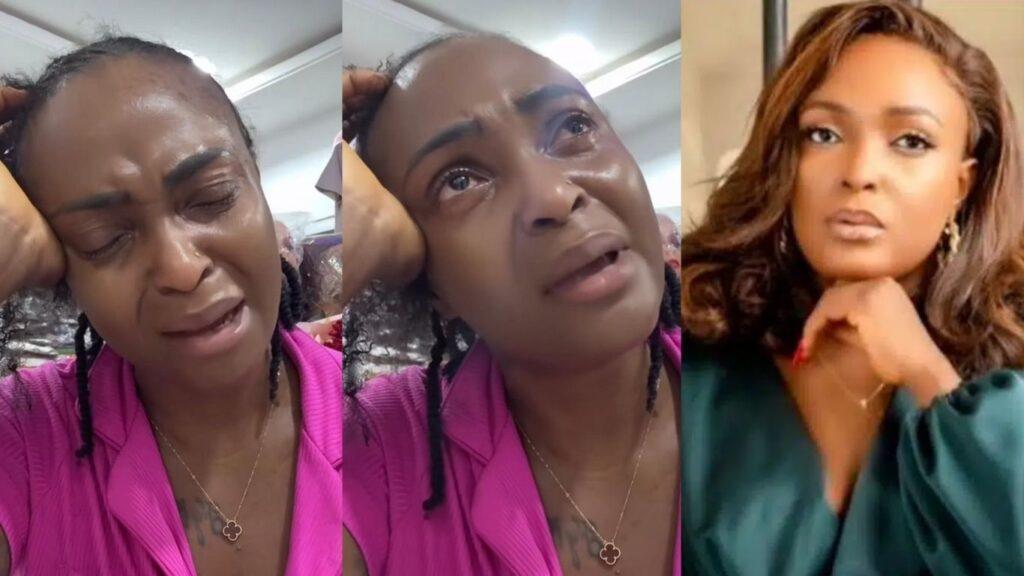
The decision to attribute her actions to mental health challenges has also generated mixed reactions. While some have expressed sympathy and called for a more compassionate approach, others remain skeptical, viewing it as an attempt to deflect responsibility. The conversation around mental health is itself a sensitive one, and its inclusion in this context has sparked additional debate about authenticity and accountability.
At its core, this unfolding story highlights the fragile nature of trust in online spaces. Social media has made it easier than ever for individuals to share their stories and connect with audiences, but it has also created opportunities for misinformation and manipulation. When personal narratives are used to solicit support, the line between authenticity and exploitation can become blurred, with serious consequences.
As the refunds continue and discussions evolve, one question remains at the center of it all. Can an act of restitution, no matter how comprehensive, restore the level of trust that existed before the controversy? For some, the answer may depend on what happens next, including whether there is any formal investigation or further clarification. For others, the incident may serve as a lasting reminder to approach online appeals with caution.
What is clear is that this episode has left a significant mark, not only on Blessing CEO’s public image but also on the broader conversation about credibility and accountability in Nigeria’s digital landscape. Whether she can recover from this moment and rebuild her brand remains uncertain, but the implications of what has happened will likely be discussed for a long time to come.
Read more on:
- Adekunle Gold celebrates Simi at 38 with luxury Mercedes-Benz GLE and diamond ring
- Tunde Perry Reveals What He Would’ve Done if Portable Damaged Soberekon’s Rolls-Royce
- Odumodublvck Dismisses Allegations Over Blaqbonez’s ‘ACL’
- Ex-BBN Star Yerins Abraham Proposes to Partner Amid Rwanda Hills
- Blaqbonez Fires Back With New Version of “ACL”