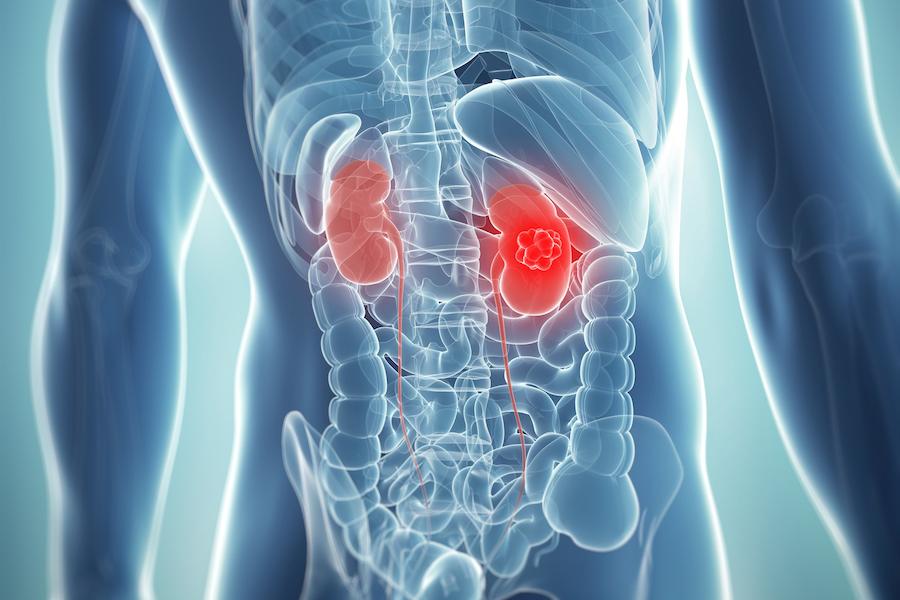
Metastatic kidney cancer, also referred to as stage IV renal cell carcinoma (RCC), occurs when cancer cells that originate in the kidney spread beyond the primary site to other organs in the body. The lungs, bones, liver, and sometimes the brain are among the most commonly affected areas. In 2026, medical estimates suggest that approximately 80,450 new cases of RCC will be diagnosed in the United States alone, reflecting a growing need for awareness, early detection, and improved treatment strategies.
As research continues to advance, the understanding of kidney cancer has evolved significantly. Treatment approaches, patient care strategies, and even lifestyle considerations are now more personalized than ever. Below are eight important things to understand about metastatic kidney cancer in today’s medical landscape.
Modern Treatment Relies on Combination Therapies
One of the most important developments in kidney cancer care is the shift toward combination therapies as the standard first-line treatment for advanced cases. Instead of relying on a single drug, doctors now frequently combine immunotherapy with targeted therapy to improve outcomes.
Immunotherapy drugs, known as immune checkpoint inhibitors, work by helping the body’s immune system recognize and attack cancer cells more effectively. When paired with targeted therapies that block the blood supply tumors need to grow, the result is a more comprehensive approach to treatment.
Commonly used combinations include pembrolizumab with axitinib and nivolumab with cabozantinib. These treatment regimens have shown encouraging long-term results in clinical studies, with some patients experiencing extended survival rates lasting several years depending on response and disease progression.
Read more on: Top Skills That Will Make You Highly Employable in 2026
Altitude and Environment Can Influence Treatment Response
Recent studies have highlighted that environmental factors, including living at high altitudes, can affect how patients respond to certain kidney cancer medications. One drug in particular, belzutifan, has been associated with an increased risk of hypoxia, which is a condition where the body does not receive enough oxygen.
Research in 2026 indicates that patients living in high-altitude regions may experience a higher likelihood of developing this side effect compared to those living at sea level. In some studies, a large percentage of patients required supplemental oxygen while undergoing treatment.
Because of this, healthcare providers are increasingly encouraged to monitor oxygen levels and anemia more closely in patients who reside in elevated geographical areas. This added attention helps ensure that treatment remains both safe and effective.
Symptoms Often Depend on Where the Cancer Spreads
Kidney cancer can be particularly challenging to detect early because it often develops without noticeable symptoms in its initial stages. In many cases, it is discovered incidentally during scans conducted for unrelated medical issues.
Once the disease becomes metastatic, symptoms usually depend on the organs affected. When cancer spreads to the lungs, patients may experience persistent coughing, shortness of breath, or chest discomfort, sometimes accompanied by coughing up blood. If it spreads to the bones, symptoms often include deep, persistent pain, especially in the spine, hips, or long bones, and there is also an increased risk of fractures. In cases where the brain is affected, symptoms may include headaches, difficulty with coordination, memory changes, or speech problems.
Because these symptoms can vary widely, they are sometimes mistaken for other conditions, which makes medical imaging and evaluation essential for accurate diagnosis.
Read more on: The Simple Guide to Better Sleep
The Gut Microbiome is Emerging as a Key Research Area
In recent years, scientists have begun to explore the role of the gut microbiome in cancer treatment outcomes. The microbiome refers to the trillions of bacteria living in the digestive system, many of which play important roles in immunity and overall health.
New clinical trials in 2026 are investigating whether modifying gut bacteria can improve how patients respond to immunotherapy. One promising area of research involves the use of live bacterial therapies such as CBM588, which may enhance the effectiveness of cancer drugs.
Early-phase and upcoming Phase III trials are exploring whether microbiome-based treatments can become part of standard kidney cancer care in the future. While still experimental, this area of research is considered one of the most exciting developments in oncology.
Lifestyle Factors Play a Major Role in Risk
Although not all kidney cancer cases can be prevented, research shows that a significant number are linked to modifiable lifestyle factors. Obesity, smoking, high blood pressure, and diabetes are among the most significant contributors to increased risk.
Public health projections suggest that if these risk factors continue to rise globally, kidney cancer cases could potentially double by 2050. However, the encouraging aspect is that many of these risks can be reduced through lifestyle changes.
Maintaining a healthy weight, quitting smoking, managing blood pressure, and controlling blood sugar levels are among the most effective ways to reduce long-term risk and support overall kidney health.
Read more on: 6 Nigerians Who Became the First Ever to Reach Historic Milestones
Treatment is No Longer Centered Only on Surgery
In earlier years, surgery, particularly removal of the affected kidney, was often the first line of treatment for kidney cancer. However, medical practice has shifted significantly in recent years.
For many patients with metastatic disease, systemic treatments such as immunotherapy and targeted therapy are now used as the primary approach. Surgery is no longer always the starting point and may be delayed or avoided depending on the extent of the disease.
In situations where surgery is not suitable, doctors may consider alternative procedures such as ablation therapy, which uses heat or cold to destroy tumors, or arterial embolization, which cuts off blood flow to the cancerous area.
Daily Habits Support Kidney Health and Recovery
Beyond medical treatment, lifestyle habits play an important role in supporting kidney health, especially for individuals managing cancer or at risk of recurrence.
Proper hydration is essential because it helps the kidneys filter waste more efficiently. A balanced diet that limits excessive salt and processed foods can also help maintain healthy blood pressure levels, reducing strain on the kidneys.
Patients are also advised to be cautious with frequent use of certain over-the-counter pain medications, as long-term use may contribute to kidney damage. Small but consistent lifestyle adjustments can make a meaningful difference in overall health outcomes.
Read more on: African Countries That Renamed Themselves After Colonial Rule
Genetic Testing is Becoming More Important in Diagnosis
While most kidney cancer cases occur randomly, a small percentage, estimated between 5 and 8 percent, are linked to inherited genetic mutations. Because of this, genetic testing is becoming an increasingly important part of diagnosis and treatment planning.
Doctors often recommend genetic screening for patients who are diagnosed at a younger age, those with tumors in both kidneys, or individuals with a strong family history of cancer. Identifying inherited conditions such as Von Hippel Lindau syndrome can help guide more targeted monitoring and treatment strategies.
Understanding genetic risk not only helps patients but can also provide valuable information for family members who may share similar risks.
Summary of Standard Treatment Options in 2026
Treatment for stage IV kidney cancer now typically involves a combination of approaches tailored to each patient’s condition.
Immunotherapy works by strengthening the immune system so it can better recognize and attack cancer cells. Targeted therapy focuses on disrupting specific biological pathways that allow tumors to grow and develop blood vessels. A newer class of drugs, known as HIF 2 alpha inhibitors, works by targeting how cancer cells adapt to low oxygen environments, offering another layer of treatment for certain patients.
Together, these evolving treatment strategies reflect how far kidney cancer care has progressed and highlight the continued push toward more effective and personalized medicine.
Read more on: