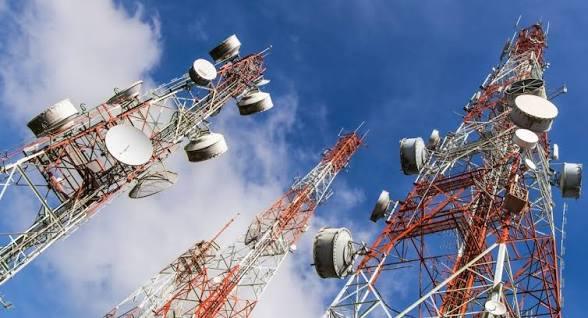
The Nigerian digital economy is standing at one of the most defining crossroads in its history. Across major cities, highways, business districts, and expanding suburban communities, billions of naira worth of telecommunications equipment are being buried beneath the earth, mounted on towers, and connected through sprawling fiber optic corridors. Yet for millions of Nigerians, the everyday reality still feels painfully familiar. Calls suddenly disappear. Video streams freeze. Online meetings collapse without warning. Mobile users continue raising their phones toward windows and balconies in the endless search for stronger network bars.
This contradiction has become one of the biggest conversations in Nigeria’s technology and digital marketing ecosystem.
On one side is a telecommunications industry aggressively pouring unprecedented levels of capital into infrastructure expansion. On the other side are consumers whose expectations continue to rise faster than network performance itself. The result is a tense national conversation around whether massive investments are truly translating into visible improvements for ordinary users.
The Nigerian Communications Commission, under the leadership of Dr. Aminu Maida, has now revealed the scale of the telecommunications industry’s latest infrastructure commitment. The sector is projected to spend an astonishing N2.5 trillion on network expansion, modernization, fiber deployment, tower upgrades, and broadband penetration initiatives.
For digital businesses, content creators, fintech startups, ecommerce brands, remote workers, online educators, and the rapidly expanding creator economy, this investment is not merely about stronger signal bars. It is about the future of Nigeria’s entire digital transformation journey.
Every online transaction depends on network stability. Every social media campaign relies on internet accessibility. Every digital banking operation, cloud application, virtual classroom, ride hailing platform, livestream, and ecommerce checkout is tied directly to the reliability of telecommunications infrastructure.
This is why the latest NCC revelations have generated enormous attention within Nigeria’s technology sector.
The country is witnessing an infrastructure race where telecom operators are attempting to solve several major crises simultaneously. They must satisfy exploding consumer demand, modernize aging infrastructure, expand 5G availability, reduce network congestion, improve broadband penetration, and survive rising operational costs driven by inflation, energy instability, and foreign exchange pressures.
At the center of this race are Nigeria’s major telecommunications operators including MTN Nigeria, Airtel Nigeria, Globacom, and 9mobile.
Read more on: Iran Carries Out Execution of 32-Year-Old Accused of Spying for Israel
What makes the situation even more fascinating is that the investment surge is happening during a period of historic data consumption growth. Nigerians are consuming more digital content than ever before. Social media platforms are heavier. Video quality is higher. Businesses are increasingly cloud based. Remote work has expanded. Artificial intelligence tools require stronger internet connectivity. Streaming platforms dominate entertainment consumption. Gaming communities continue growing rapidly.
All of this places extraordinary pressure on telecommunications infrastructure.
The telecom sector is no longer simply trying to expand coverage. It is fighting to prevent total congestion.
What the public often sees as “poor network quality” is actually the visible symptom of an industry attempting to support a digital revolution happening faster than infrastructure can comfortably sustain.
The N2.5 trillion infrastructure commitment therefore represents more than a spending figure. It represents a survival strategy for Nigeria’s digital future.
The Billion Dollar Infrastructure Race
For the first time in Nigeria’s telecommunications history, at least one major telecom operator crossed the billion dollar infrastructure spending threshold within a single operational cycle.
This development signals a dramatic transformation in how telecom operators now view the Nigerian market.
Previously, infrastructure investments focused largely on expanding subscriber acquisition. Today, the priority has shifted toward network survival, capacity expansion, and quality stabilization.
The explosive rise in internet usage has fundamentally changed network economics.
| Infrastructure Indicator | Previous Level | Current Expansion Direction |
|---|---|---|
| Mobile Data Consumption | Rapid Growth | Extreme Congestion Pressure |
| Fiber Optic Deployment | Limited Urban Focus | Aggressive National Expansion |
| Base Station Capacity | Legacy Infrastructure | High Capacity Modernization |
| Broadband Demand | Moderate | Extremely High |
| 5G Deployment | Experimental Rollout | Large Scale Expansion |
The telecommunications sector is now battling an enormous mismatch between infrastructure capacity and consumer behavior.
Millions of Nigerians now use mobile internet for activities that previously required office level broadband systems. High definition streaming, cloud computing, online gaming, virtual conferencing, fintech processing, digital marketing campaigns, and content monetization are all competing for limited network resources.
As usage intensifies, operators are forced into continuous infrastructure reinvestment simply to maintain existing service quality.
This explains why users often fail to immediately notice improvements despite massive spending announcements.
A significant portion of current telecom investments is defensive rather than expansionary.
Telecom operators are spending heavily just to prevent networks from collapsing under escalating demand pressure.
Read more on: Court Slams Ex-Power Minister Mamman with 75-Year Jail Term
The 12,000 Site Modernization Explosion
One of the most ambitious components of the NCC backed infrastructure strategy is the planned modernization of approximately 12,000 telecom sites across Nigeria.
This initiative represents one of the largest network upgrade operations ever attempted within the country’s telecommunications industry.
The modernization process goes far beyond installing additional towers.
It involves rebuilding large sections of Nigeria’s communications architecture from the ground upward.
Older 2G and 3G equipment is gradually being replaced with advanced 4G and 5G capable systems designed to handle significantly larger traffic volumes.
This transformation includes:
| Upgrade Component | Purpose | Expected Impact |
|---|---|---|
| Fiber Backhaul Expansion | Faster Data Transport | Reduced Congestion |
| 5G Radio Deployment | Higher Internet Speeds | Improved Capacity |
| Tower Reinforcement | Better Coverage Stability | Fewer Service Interruptions |
| Power Infrastructure Improvement | Reduced Downtime | More Consistent Connectivity |
| Smart Traffic Optimization | Better User Distribution | Faster Browsing Experience |
The engineering complexity behind these upgrades is enormous.
Telecom operators must secure permits, excavate roads, protect fiber lines, install high capacity transmission systems, upgrade power infrastructure, and integrate modern software driven network management systems.
In many urban areas, road construction activities accidentally damage underground fiber cables, causing widespread outages and forcing expensive emergency repairs.
This explains why consumers frequently experience service disruptions even during periods of infrastructure expansion.
Ironically, part of the inconvenience Nigerians experience today is directly connected to the process of building tomorrow’s networks.
Why Fiber Optic Expansion Has Become a National Priority
Another major revelation emerging from the NCC strategy is the increasing emphasis on Fiber to the Home connectivity.
Telecom regulators and operators now recognize that mobile networks alone cannot sustainably carry Nigeria’s exploding digital traffic demands.
For years, millions of Nigerians relied heavily on mobile hotspots for activities traditionally handled through fixed broadband systems.
This created severe congestion within mobile networks.
When households stream ultra high definition video content, participate in virtual meetings, download large files, or run cloud based applications through mobile networks, nearby towers become overloaded.
The consequence is slower browsing speeds and weaker signal quality for everyone connected within the same coverage area.
Fiber deployment seeks to solve this bottleneck.
By moving heavy internet users away from mobile towers and onto dedicated fiber connections, operators can free wireless spectrum capacity for ordinary mobile users.
This strategy could dramatically improve everyday network performance across densely populated areas.
Cities like Lagos, Abuja, and Port Harcourt are expected to remain primary beneficiaries of this expansion phase due to their high concentration of digital businesses and internet dependent populations.
Read more on: Outrage as Ex Nigerian Lawmaker Dies Following Abuja Kaduna Highway Abduction
The Urban Rural Connectivity Divide
Despite the scale of investment, one painful reality remains unavoidable.
Nigeria still faces a massive telecommunications infrastructure deficit.
Large urban centers continue attracting the majority of infrastructure spending because they generate stronger commercial returns for telecom operators.
Rural communities often remain underserved due to high deployment costs and lower profitability potential.
| Region Type | Infrastructure Priority | Connectivity Reality |
|---|---|---|
| Major Urban Areas | Very High | Faster Expansion |
| Commercial Districts | Extremely High | Early 5G Adoption |
| Semi Urban Communities | Moderate | Gradual Improvement |
| Rural Areas | Low Commercial Priority | Persistent Connectivity Challenges |
This imbalance continues widening the digital divide across the country.
For residents in many remote communities, the daily struggle for stable signal access remains unchanged despite trillion naira industry investments.
The challenge is particularly significant because telecommunications infrastructure deployment in rural regions often requires enormous capital with slower revenue recovery timelines.
Regulatory Pressure Intensifies Across the Telecom Sector
The Federal Government has now adopted a far more aggressive regulatory posture toward service quality enforcement.
Bosun Tijani alongside the NCC has emphasized that telecommunications operators will increasingly be measured through strict performance metrics.
This represents a critical shift in Nigeria’s digital governance strategy.
Regulators are now leveraging advanced analytics and real time monitoring systems to evaluate network quality across various regions.
The era where operators could hide behind vague explanations for persistent poor service quality is gradually fading.
The government’s message is becoming increasingly direct.
Massive infrastructure expenditure must produce measurable consumer improvement.
Failure to meet required performance standards may expose operators to regulatory penalties, public scrutiny, and increased compliance obligations.
Read more on: Tinubu Seeks $1.25bn World Bank Loan as Public Debt Nears ₦160 Trillion
The Bigger Digital Marketing Implication
For digital marketers, ecommerce entrepreneurs, fintech innovators, SaaS startups, creators, and online businesses, this telecommunications expansion wave carries enormous implications.
Nigeria’s digital economy cannot scale sustainably without reliable broadband infrastructure.
Every delayed website load affects conversion rates.
Every failed payment transaction damages customer trust.
Every interrupted livestream affects creator monetization.
Every unstable Zoom meeting impacts remote productivity.
The telecommunications sector therefore sits at the foundation of Nigeria’s entire digital commerce ecosystem.
This is why the N2.5 trillion infrastructure push matters far beyond telecom boardrooms.
It directly affects:
- Ecommerce growth
- Digital advertising performance
- Social media monetization
- Remote work expansion
- Online education accessibility
- Fintech scalability
- Cloud computing adoption
- Artificial intelligence integration
- Creator economy growth
The future competitiveness of Nigeria’s digital economy depends heavily on whether these infrastructure investments eventually translate into stable and affordable connectivity.
Read more on: APC Panel Upholds Disqualification of Fubara-Aligned Assembly Aspirants
The Road Ahead for Nigeria’s Telecom Industry
The current infrastructure push represents one of the most ambitious telecommunications expansion periods Nigeria has ever witnessed.
However, the transformation will not happen overnight.
Network modernization at this scale requires time, coordination, regulatory support, engineering expertise, and continuous capital inflow.
For now, Nigerians may still experience frustrating moments of weak signal strength and inconsistent internet performance.
But beneath the surface, an enormous telecommunications reconstruction effort is actively reshaping the country’s digital backbone.
The trenches being dug across cities today are laying the foundation for Nigeria’s next digital era.
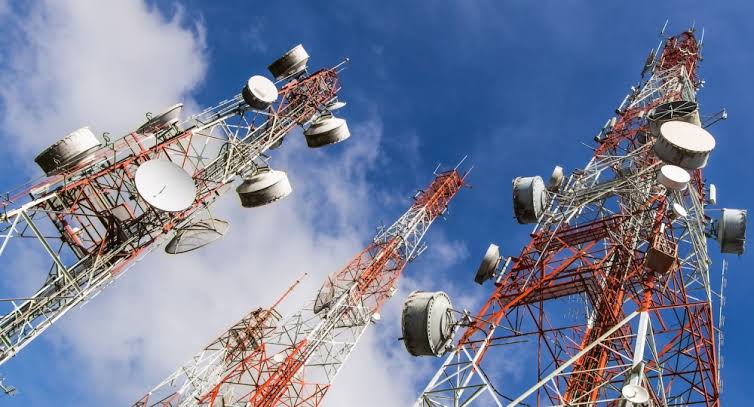
The towers rising across commercial corridors are preparing for a future where 5G, cloud computing, artificial intelligence, fintech ecosystems, and immersive digital experiences become deeply integrated into everyday life.
The telecom gamble is massive.
The expectations are even bigger.
And for millions of Nigerians staring at fluctuating signal bars each day, the ultimate question remains painfully simple.
When will the investment finally become visible on the screen?
Read more on: