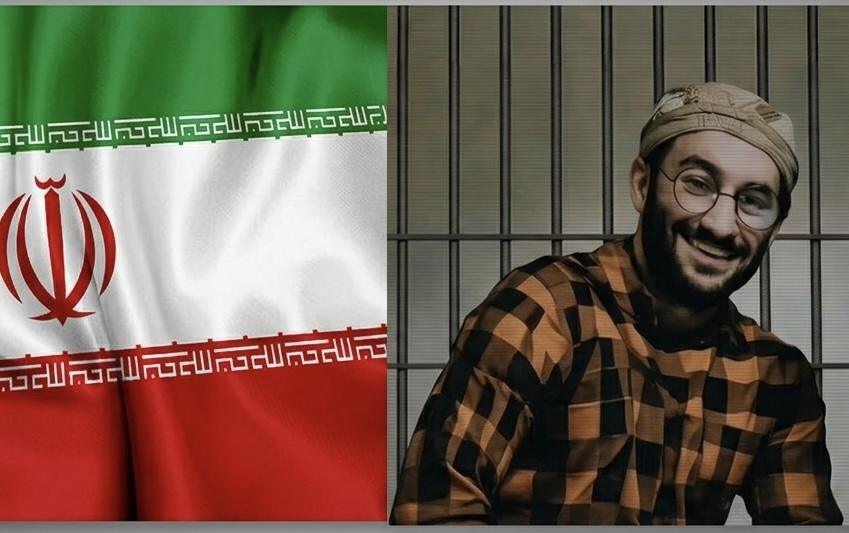
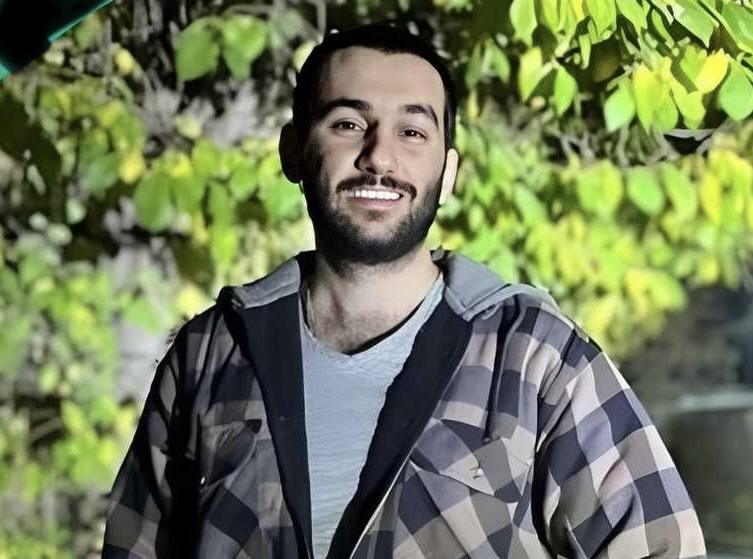
The Iranian judiciary has confirmed the execution of 32-year-old Ehsan Afrashteh, an IT specialist who was accused of spying for Israel’s intelligence agency, the Mossad. The execution was carried out early Wednesday morning at Evin Prison in Tehran, a facility long associated with high-profile political detainees and sensitive national security cases. His death has once again drawn international attention to Iran’s use of capital punishment, particularly in cases involving alleged espionage, amid rising tensions in the region.
According to statements published by Mizan Online, a media outlet linked to Iran’s judiciary, Afrashteh was accused of serving as a cyber intelligence asset who had allegedly been recruited by Israeli operatives. Authorities described him as a highly skilled technician working within a military-affiliated organization, suggesting that his position gave him access to sensitive data that could be of interest to foreign intelligence services.
The Iranian government claims that Afrashteh’s activities were not limited to passive contact but involved structured intelligence sharing over a sustained period. Officials alleged that he maintained communication with handlers linked to Israel, operating under a code name referred to as “Jams.” These communications, according to the state narrative, included more than 300 messages exchanged through encrypted channels, as well as voice calls and emails designed to conceal their origin and intent.
The judiciary further alleged that Afrashteh had received training abroad, including in Nepal, where he was reportedly instructed in intelligence tradecraft. Authorities claimed he was taught multiple languages, including English, French, and Hebrew, as part of his preparation for espionage activities. In addition, Iranian officials accused him of transferring sensitive military and technical information to Israeli intelligence in exchange for financial compensation routed through cryptocurrency platforms operating across Southeast Asia.
Read more on: Court Slams Ex-Power Minister Mamman with 75-Year Jail Term
State media reports also suggested that Afrashteh came under suspicion after intelligence agencies detected what they described as unusual financial activity and unexplained travel patterns. These irregularities reportedly triggered surveillance that eventually led to his arrest in 2024. From that point onward, he remained in custody while investigations and legal proceedings were carried out.
However, the case has been met with significant criticism from international human rights organizations, many of which have raised serious concerns about the fairness of the trial and the reliability of the evidence presented by Iranian authorities. Groups such as Iran Human Rights and HRANA have stated that there are credible indications that Afrashteh was subjected to coercive interrogation methods while in solitary confinement.
According to these organizations, testimonies attributed to Afrashteh during the investigation were obtained under pressure, and may not reflect voluntary or reliable confessions. Activists involved in monitoring the case have argued that the charges against him were politically motivated and based on questionable intelligence practices rather than independently verified evidence.
Before his execution, Afrashteh reportedly denied all accusations against him. Sources close to human rights observers claim he consistently maintained that he had no involvement with foreign intelligence agencies and insisted that the allegations were fabricated. Despite his denials, the court proceeded with the conviction, ultimately resulting in a death sentence that was carried out this week.
The execution of Afrashteh comes only days after another similar case drew attention within Iran and beyond its borders. Just 48 hours earlier, 29-year-old Erfan Shakourzadeh, an aerospace engineering student, was executed on separate espionage charges. In that case as well, authorities alleged involvement with both Israeli and American intelligence services. Human rights groups have similarly disputed the legitimacy of the charges, claiming that Shakourzadeh was subjected to torture and forced to provide a confession.
Read more on: Outrage as Ex Nigerian Lawmaker Dies Following Abuja Kaduna Highway Abduction
The back-to-back executions have intensified concerns about what observers describe as a broader pattern of escalating capital punishment in Iran. According to available data compiled by monitoring groups, the country has significantly increased the use of the death penalty in 2026, particularly in cases linked to national security, espionage, and political dissent.
Reports indicate that in the first four months of 2026 alone, Iran may have carried out approximately 612 executions, averaging close to five per day. In comparison, the total recorded executions for 2025 stood at 1,639, already placing Iran among the highest executioners globally. Since mid-March 2026, at least 28 political prisoners are believed to have been executed, although exact figures remain difficult to independently verify due to restrictions on information flow within the country.
Iran has long ranked among the countries with the highest number of executions worldwide, second only to China according to several international watchdog reports. However, rights organizations argue that the recent surge reflects more than just judicial practice, suggesting it is increasingly tied to political instability and regional conflict.
The timing of the recent wave of executions has also raised questions about its connection to broader geopolitical developments. Since the escalation of tensions with Israel earlier in the year, including reported military confrontations and cyber warfare incidents, Iranian authorities have intensified internal security operations. Analysts suggest that the government is increasingly framing domestic security cases within the context of external threats, particularly involving Israeli intelligence operations.
Rights groups argue that this framing allows the state to justify a sweeping crackdown on individuals accused of espionage, many of whom are young professionals, students, or individuals working in technical fields such as engineering and information technology. Critics claim that this approach not only suppresses dissent but also creates an atmosphere of fear within Iran’s educated and technologically skilled population.
Read more on: Tinubu Seeks $1.25bn World Bank Loan as Public Debt Nears ₦160 Trillion
There are also concerns that accusations of espionage are being used as a political tool during a period of heightened tension and fragile ceasefire conditions in the region. Since early April, a tentative pause in direct hostilities has been in place, but the underlying hostility between Iran, Israel, and other international actors remains unresolved. Within this climate, internal security measures have reportedly become more aggressive, with authorities seeking to prevent further unrest following protests that erupted earlier in the year.
Observers note that labeling individuals as foreign agents or spies has historically been a method used by governments in times of conflict to consolidate internal control. In Iran’s case, the continued use of capital punishment in such cases has drawn repeated condemnation from international human rights organizations, many of which are calling for greater transparency, fair trials, and an immediate moratorium on executions.
Despite these criticisms, Iranian authorities maintain that their actions are necessary for national security and that those convicted in such cases have been given fair trials under domestic law. Officials insist that espionage cases involving foreign intelligence agencies represent a direct threat to the country’s sovereignty and must be dealt with accordingly.
As the international community continues to react to the latest execution, attention is likely to remain focused on Iran’s judicial practices and its broader approach to internal security. For now, the death of Ehsan Afrashteh adds another name to a growing list of individuals executed amid accusations of spying, raising ongoing questions about justice, accountability, and the human cost of geopolitical conflict.
Read more on: