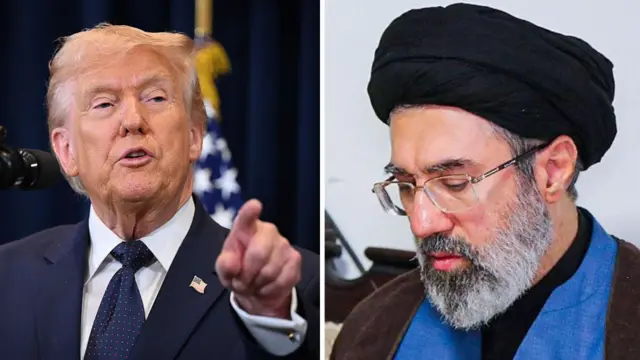
Tensions in the Middle East have escalated once again after United States President Donald Trump firmly rejected Iran’s latest response to ongoing peace negotiations. The decision has placed the already fragile ceasefire under renewed pressure, raising concerns among global observers that the situation could deteriorate into a wider conflict if urgent diplomatic steps are not taken.
Speaking from the Oval Office on Monday, President Trump expressed strong dissatisfaction with Iran’s proposal, describing it as unacceptable and far from what his administration expected. He warned that the ceasefire, which has held for several weeks, is now in a critical condition and may not survive without meaningful compromise from both sides. His remarks signal a hardening stance at a time when diplomatic channels appear to be narrowing.
Read more on: Trump Rejects Iran Peace Deal as Oil Prices Surge
Iran’s Demands Stall Negotiations
Iran’s counterproposal to the United States peace framework has emerged as a major point of contention. According to available details, Tehran outlined a set of demands that it considers necessary for any agreement moving forward. These include the immediate removal of economic sanctions imposed by the United States, as well as the release of billions of dollars in frozen assets held abroad.
In addition, Iran has called for financial compensation for damages resulting from military actions during the conflict. The scale of this request has raised concerns among analysts, who view it as a significant obstacle to progress in negotiations. Tehran also wants formal recognition of its authority over the Strait of Hormuz, one of the most important maritime routes for global oil transportation.
Another key demand involves the withdrawal of United States forces from the region. This condition challenges long standing security arrangements and is unlikely to be accepted without substantial concessions in return. Taken together, these demands have contributed to a growing deadlock between both sides, making it difficult for negotiations to move forward.
Read more on: Osun NURTW Crisis Deepens as Oyewale Denies Assassination Plot
Concerns Over Nuclear Silence
One of the most critical issues for the United States is the absence of any clear commitment from Iran regarding its nuclear program. In earlier discussions, there had been indications that nuclear concerns would be a central part of any agreement. However, the latest proposal reportedly did not address this matter in a concrete way.
The Trump administration has consistently maintained that nuclear development must be part of any lasting deal. This includes limits on uranium enrichment and measures to prevent the expansion of nuclear capabilities. Without such assurances, officials in Washington believe that any agreement would be incomplete and potentially unstable.
This gap has further complicated negotiations, as it highlights a fundamental difference in priorities between the two sides. While Iran focuses on economic relief and regional influence, the United States continues to emphasize security concerns tied to nuclear activity.
Rising Tensions and Global Impact
As diplomatic efforts stall, the ceasefire that has provided a temporary pause in hostilities is beginning to show signs of strain. Reports of isolated security incidents have increased, particularly around key shipping routes and strategic locations. These developments have added to fears that the situation could quickly escalate if tensions are not managed carefully.
The United States has continued to enforce strict measures in the region, including monitoring maritime activity. These actions are intended to maintain stability but have also contributed to heightened tensions. Meanwhile, uncertainty surrounding the ceasefire has had a noticeable impact on global markets.
Oil prices have reacted to the latest developments, reflecting concerns about potential disruptions in supply. The Strait of Hormuz remains a critical passage for energy exports, and any threat to its stability carries significant economic implications. As a result, countries around the world are closely watching the situation, aware of the potential ripple effects.
Read more on: Governor Adeleke Dethrones Osun Monarch Sentenced to Prison in US
Diplomatic Push and Uncertain Future
In response to the growing crisis, President Trump is set to engage in high level talks with Chinese President Xi Jinping. The meeting is expected to focus on finding ways to influence Iran’s position and encourage a more flexible approach to negotiations. China’s role is seen as important due to its economic ties with Iran and its influence on the global stage.
This diplomatic effort reflects a broader strategy by the United States to involve other major powers in resolving the conflict. By seeking international support, Washington hopes to increase pressure on Tehran while also keeping the door open for dialogue.
Despite these efforts, the future of the ceasefire remains uncertain. Both sides appear firmly committed to their positions, leaving little room for immediate compromise. The coming days are likely to be decisive, as continued tension could either push the parties back to the negotiating table or lead to a renewed escalation of conflict.
For now, the situation remains delicate, with the possibility of either progress or setback hanging in the balance. Observers continue to monitor developments closely, recognizing that the outcome will have far reaching consequences for regional stability and global security.
Read more on: