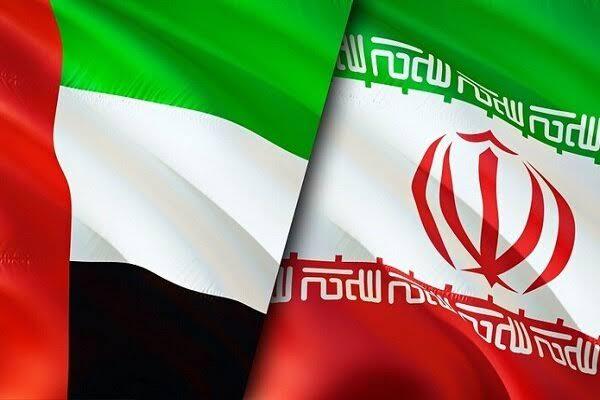
The already fragile political and security situation in the Middle East has entered a new and dangerous phase, as tensions between Iran and the United Arab Emirates continue to escalate. What began as a period of uneasy calm following months of confrontation is now rapidly deteriorating, with diplomatic language growing sharper and the threat of wider conflict becoming increasingly real.
At the center of the latest crisis is a strong and direct warning issued by senior Iranian officials to the UAE. Tehran has made it clear that it is deeply uncomfortable with Abu Dhabi’s expanding relationship with Israel, particularly in areas of military cooperation and intelligence sharing. In unusually blunt terms, Iran has cautioned that its tolerance is not unlimited and that continued alignment with Israel could provoke serious consequences.
This warning comes at a time when a fragile ceasefire between Iran and the United States, which had helped prevent a broader regional war in recent months, is now at risk of collapse. The situation has been further complicated by a series of incidents and revelations that have heightened mistrust and raised the stakes for all parties involved.
A Chain of Events Sparks Fresh Alarm
The immediate trigger for this surge in tensions can be traced to several significant developments that unfolded over the weekend, each contributing to a growing sense of instability across the Gulf region.
One of the most alarming incidents occurred at the Barakah Nuclear Power Plant in Abu Dhabi. On Sunday, May 17, the facility was targeted by three drones in what appears to have been a coordinated attack. Emirati defense systems successfully intercepted two of the drones before they could reach their target. However, a third drone managed to penetrate the defenses and struck an electrical generator within the facility.
The impact caused a localized fire, which was quickly brought under control by emergency response teams. Authorities have confirmed that there was no radiation leak and that safety systems remained intact. Despite this reassurance, the attack has significantly raised concerns about the vulnerability of critical infrastructure in the region, especially facilities with potential nuclear implications.
The situation became even more complicated following controversial claims made by Israeli Prime Minister Benjamin Netanyahu. He publicly stated that he had carried out a secret visit to the UAE during the recent period of heightened tensions. According to his account, the visit was aimed at coordinating both defensive and offensive strategies against Iran.
The UAE government swiftly denied these claims, insisting that no such visit took place. However, the mere suggestion of such high-level coordination has intensified suspicion in Tehran. Iranian officials now view the possibility of covert cooperation between Israel and Gulf states as a serious and immediate threat to their national security.
Adding to the tension are intelligence reports suggesting that the UAE may have been more actively involved in recent military actions than previously believed. According to these reports, Abu Dhabi could have participated in operations targeting Iranian interests during the peak of the recent conflict. If confirmed, this would represent a significant shift in the UAE’s role, moving it from a relatively neutral actor to a more direct participant in regional hostilities.
Read more on: Cubana Chief Priest Breaks Silence on Imo APC Primaries, Rejects Loss Narrative
Iran Sends a Clear Message
Iranian leaders have responded to these developments with a mix of caution and stern warning. Speaking to the semi official ISNA news agency, Mohsen Rezaei, a senior political figure and former commander of the Islamic Revolutionary Guard Corps, outlined Tehran’s position in clear terms.
He emphasized that Iran remains open to maintaining a constructive relationship with the UAE, but stressed that such a relationship cannot come at the expense of Iran’s security interests. He warned that continued cooperation between the UAE and Israel could draw Abu Dhabi into a broader conflict, something he strongly advised against.
Rezaei also accused the United States and Israel of deliberately promoting fear of Iran in order to pressure Gulf countries into forming alliances that may not ultimately serve their long term interests. According to him, these external influences are destabilizing the region rather than providing genuine security.
Iran’s Foreign Ministry echoed this stance through its spokesperson, Esmail Baghaei, who addressed the issue during a press briefing. He argued that the increasing presence of foreign military forces in the region has failed to deliver stability. Instead, he claimed, it has created an environment of heightened insecurity for all countries involved.
Baghaei urged regional governments to reflect on recent events and reconsider their partnerships with outside powers. He suggested that allowing foreign forces to operate within their borders exposes them to greater risks, particularly in the event of a wider conflict involving Iran.
Read more on: Gunmen Attack Oyo Schools, Kill Two and Abduct Pupils in Coordinated Raid
A Region on Edge
The growing tension between Iran and the UAE is unfolding against a broader backdrop of uncertainty across the Middle East. Efforts to maintain peace between Iran and the United States are faltering, with both sides struggling to reach agreement on key issues such as nuclear activity and the release of frozen financial assets.
Recent statements from political leaders have done little to ease concerns. Former US President Donald Trump, who remains a key figure in shaping American foreign policy discussions, reportedly dismissed Iran’s latest proposal as completely unacceptable. This has further reduced the chances of a diplomatic breakthrough in the near term.
Meanwhile, the Strait of Hormuz continues to serve as a critical but vulnerable artery for global trade. While commercial shipping has not been disrupted, Iran has introduced new measures to monitor and regulate traffic through the waterway. This move is seen by many as a signal of Tehran’s readiness to assert greater control if tensions continue to rise.
Another factor contributing to the current situation is the widening ideological divide created by the Abraham Accords. The normalization of relations between Israel and several Arab states, including the UAE, is viewed by Iran as a direct challenge to its influence in the region. Tehran considers these agreements not just diplomatic arrangements but strategic alignments that could be used against it.
Iranian media outlets have also played a role in shaping the narrative, at times attempting to redirect blame for recent incidents. For example, some reports have suggested that the drones used in the Barakah attack may have originated from areas linked to Saudi Arabia. While such claims remain unverified, they highlight the complex web of rivalries and suspicions that define the current landscape.
Read more on: 17 Police Officers Killed in Deadly Terrorist Attack on Yobe Special Forces School
Uncertain Prospects Ahead
As the situation continues to evolve, there is growing concern that the Gulf region could be heading toward a more extensive and potentially devastating conflict. The UAE, with its prominent economic centers in Dubai and Abu Dhabi, now finds itself in a particularly sensitive position.
If tensions with Iran escalate further, these cities could face new security challenges, especially given their importance as global financial and commercial hubs. The possibility of proxy attacks or disruptions to critical infrastructure cannot be ruled out.
For now, all eyes remain on the actions of the key players involved. The stability of the Strait of Hormuz, the future of US Iran relations, and the extent of cooperation between the UAE and Israel will all play crucial roles in determining what happens next.
What is clear is that the current moment represents a significant turning point. The decisions made in the coming weeks could either help stabilize the region or push it closer to a wider confrontation with far reaching consequences for the global economy and international security.
Read more on: