The situation across the Middle East remains deeply tense, with events unfolding rapidly on multiple fronts. While diplomatic efforts are intensifying in major world capitals, aiming to de-escalate conflicts and stabilize the region, realities on the ground continue to paint a far more fragile picture. Military confrontations persist, humanitarian conditions are deteriorating in key areas, and regional rivalries continue to influence the broader geopolitical balance.
From renewed violence in the Gaza Strip to cautious diplomatic steps between Israel and Lebanon, alongside wider tensions involving Iran and global powers, the region stands at a critical crossroads. Below is a comprehensive look at the most important developments shaping the Middle East today.
Targeted Strike in Gaza: Israel Reports Death of Hamas Military Leader
In one of the most significant military developments in recent weeks, the Israel Defense Forces announced that a targeted airstrike carried out in Gaza City has resulted in the death of Izz al Din al Haddad, a senior figure within Hamas and the leader of its military wing.
According to Israeli officials, al Haddad was considered a central figure in Hamas operations and one of the key individuals linked to the attacks of October 7, 2023, which marked a major escalation and ultimately triggered the ongoing war. His role within the organization reportedly involved coordinating strategic operations and overseeing military planning during the conflict.
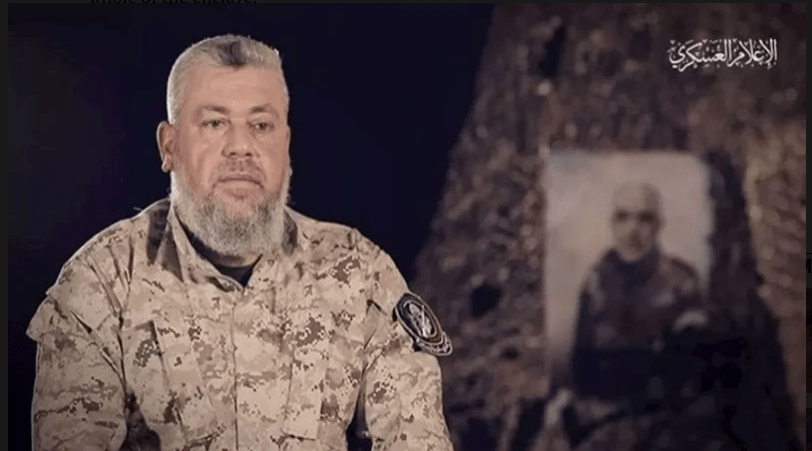
Israeli intelligence agencies had reportedly tracked his movements over time, identifying him as a high priority target. The strike that led to his death was described as precise and based on detailed intelligence. Officials believe that removing such a high ranking commander could significantly disrupt Hamas’s operational capabilities, particularly at a time when the group is believed to be attempting to rebuild its strength.
Military analysts suggest that the impact of al Haddad’s death could extend beyond immediate tactical advantages. His removal may create a leadership vacuum within Hamas’s military structure, potentially affecting coordination among its units and slowing down its ability to organize large scale operations.
Despite this development, fighting in Gaza has not subsided. Israeli forces have continued both aerial and ground operations across different parts of the territory. Reports indicate that areas such as eastern Deir al Balah have seen increased military activity, leading to the displacement of hundreds of families who are once again being forced to flee their homes in search of safety.
For civilians in Gaza, the situation remains dire. Many are living in overcrowded shelters with limited access to food, water, and medical supplies. Each new wave of violence further complicates an already severe humanitarian crisis.
Read more on: Tinubu, Trump Announce Killing of ISIS Deputy Leader Al Manuki in Joint Strike
Israel and Lebanon Extend Ceasefire Amid Continued Tensions
Amid the ongoing instability, there has been a notable diplomatic development involving Israel and Lebanon. The United States State Department confirmed that both countries have agreed to extend their existing ceasefire for an additional forty five days. The agreement follows intensive negotiations facilitated by US officials in Washington.
The extension is being viewed as a cautious but important step toward reducing hostilities along the Israel Lebanon border, an area that has witnessed frequent clashes between Israeli forces and Hezbollah fighters. The ceasefire aims to create space for further dialogue and to prevent the situation from escalating into a broader conflict.
As part of the diplomatic roadmap, military representatives from both countries are expected to participate in discussions hosted by the Pentagon later this month. These talks will focus on border security arrangements and mechanisms to prevent future clashes. This will be followed by high level political negotiations in early June, which are intended to explore the possibility of a more permanent agreement.
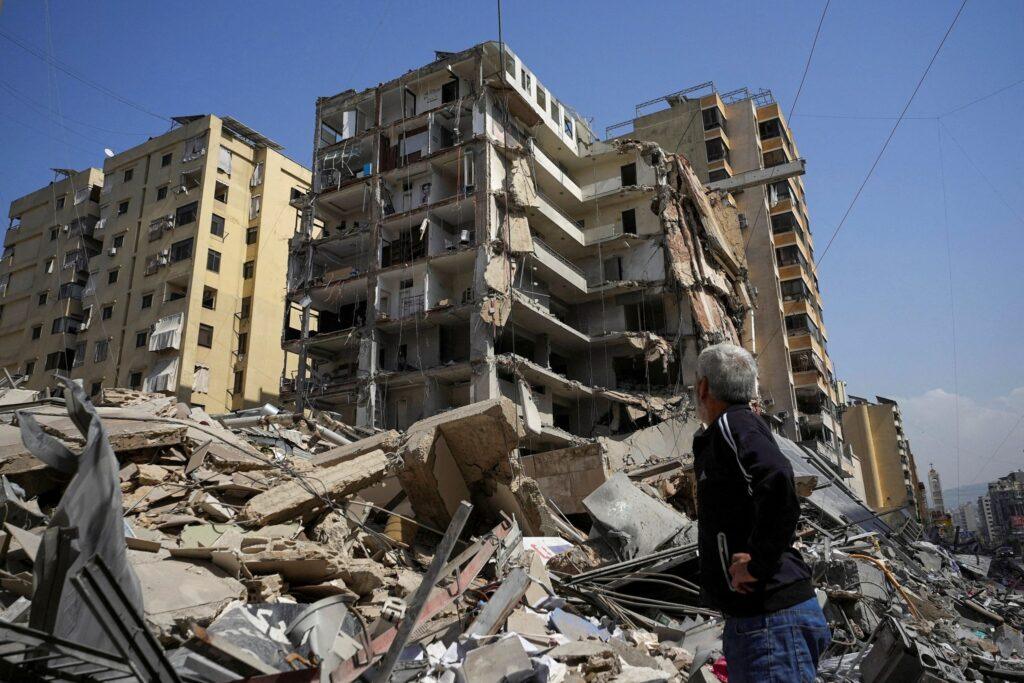
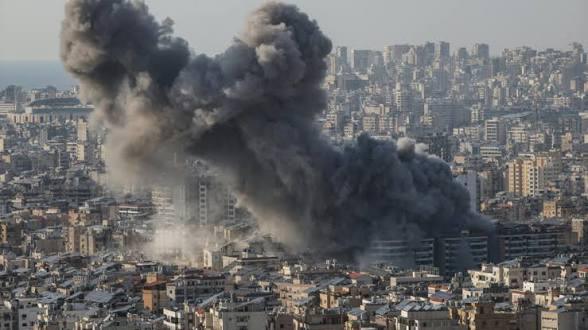
However, the ceasefire remains extremely fragile. Within hours of the announcement, reports emerged of renewed violence. An Israeli airstrike targeted a building in the southern Lebanese city of Tyre, although an evacuation warning was issued beforehand. The strike has raised concerns about the durability of the truce and the challenges of maintaining calm in such a volatile environment.
On the Lebanese side, Hezbollah has continued its activities, including the use of explosive drones targeting Israeli positions in the north. These attacks have reportedly caused damage to military infrastructure and resulted in casualties, further underscoring the fragile nature of the ceasefire.
The situation highlights the complexity of achieving lasting peace in the region. While diplomatic efforts are ongoing, actions on the ground often threaten to undermine progress, creating a cycle of tension and temporary calm.
Read more on: Many Students Reportedly Abducted as Boko Haram Raids Borno Village School
Humanitarian Crisis Deepens in Gaza as Aid Struggles Continue
Beyond the military and political developments, the humanitarian situation in Gaza continues to worsen. The United Nations and other aid organizations have raised alarm over the deteriorating conditions, particularly as the region enters the hotter months of the year.
One of the immediate concerns is the growing risk of disease due to poor sanitation and the accumulation of waste in densely populated areas. Displacement camps are overcrowded, and basic services are stretched to their limits. In response, the United Nations has initiated a pest control effort aimed at reducing the spread of disease caused by rodents and insects.
Pesticides have been delivered into Gaza, and a large scale campaign is expected to begin soon. However, aid agencies warn that these efforts may not be sufficient without additional support. A major obstacle is the restriction on the entry of heavy equipment needed for clearing debris and handling unexploded ordnance. Without such equipment, it becomes difficult to improve living conditions or carry out effective sanitation measures.
Another critical issue is the slow pace of aid delivery. According to UN logistics data, only a portion of the aid trucks arriving from Egypt are being allowed to proceed through border crossings. In the early days of May, roughly half of the incoming trucks were permitted to offload supplies. This limited flow of assistance has made it challenging to meet the needs of the population.
Aid organizations continue to call for increased access and fewer restrictions, emphasizing that timely delivery of food, medical supplies, and essential services is crucial to preventing further deterioration of the situation.
Read more on: APC Screens Out Four Fubara Allies, Approves 21 for Rivers Reps Primaries
Regional Tensions and the Strait of Hormuz Factor
Beyond the immediate conflicts involving Israel, Gaza, and Lebanon, the broader regional landscape remains influenced by tensions involving Iran and major global powers. Earlier military actions involving the United States and Israel have left lasting effects, particularly on trade routes and geopolitical alignments.
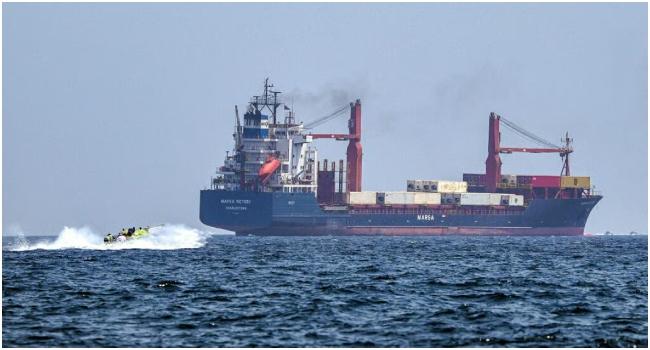
One of the most critical areas of concern is the Strait of Hormuz, a vital waterway through which a significant portion of the world’s oil supply passes. Iranian authorities have indicated that commercial vessels are currently moving through the strait under strict monitoring and control measures.
Reports suggest that Chinese vessels are among those navigating the route, highlighting the global implications of the situation. The involvement of major powers such as China and the United States adds another layer of complexity to an already delicate balance.
Discussions between US President Donald Trump and Chinese President Xi Jinping have reportedly touched on the issue, with China expressing a willingness to help maintain stability in the waterway. However, US officials have signaled that they are capable of managing the situation independently, reflecting underlying tensions between the two powers.
At the same time, Iran is facing internal challenges. Intelligence reports indicate that the country’s leadership is under significant pressure following recent conflicts. Resources are being directed inward, with efforts focused on maintaining stability and preventing unrest. This internal strain could have implications for how Iran engages with external actors in the coming months.
Read more on: Dangote Refinery Files Lawsuit Against Nigerian Government Over Petrol Import Permits
Looking Ahead: A Region at a Crossroads
The coming weeks are likely to be decisive for the Middle East. While diplomatic efforts are creating opportunities for de-escalation, the persistence of military activity and humanitarian challenges suggests that stability remains uncertain.
The extension of the ceasefire between Israel and Lebanon offers a window for dialogue, but its success will depend on the willingness of all parties to adhere to the agreement and engage in meaningful negotiations. Meanwhile, the situation in Gaza continues to demand urgent attention, both in terms of conflict resolution and humanitarian assistance.
The broader geopolitical environment, including tensions involving Iran and global powers, adds further complexity. Developments in areas such as the Strait of Hormuz have implications that extend far beyond the region, affecting global trade and economic stability.
Ultimately, the Middle East remains in a delicate state where progress and setbacks often occur simultaneously. Diplomatic breakthroughs can quickly be overshadowed by renewed violence, and humanitarian efforts can be hindered by logistical and political challenges.
As events continue to unfold, the actions taken by regional leaders and international partners will play a crucial role in shaping the future of the region. Whether the current moment leads to lasting peace or further conflict will depend on a combination of strategic decisions, sustained cooperation, and the ability to address both immediate and long term issues.
Read more on:
- Police Arrest Suspected Armed Thugs with Links to Lawmaker During Ekiti APC Primary
- Nigeria and Germany Strengthen Ties with €365 Million Development and Investment Partnership
- US and China Agree Iran Must Never Obtain Nuclear Weapons
- Wike Fires at Makinde, Rejects PDP-APM Alliance and Questions His Presidential Ambition