In what is being described as one of the most significant victories in the global fight against terrorism in recent years, the governments of Nigeria and the United States have confirmed the killing of Abu Bilal Al Manuki, a high ranking figure within the Islamic State. Known by several aliases including Abu Minuki and Abu Mainok, Al Manuki was widely believed to be the second most powerful figure in ISIS’s global command structure and one of the most active coordinators of terrorist activities worldwide.
The operation that led to his death was carried out in the Lake Chad Basin, a region long troubled by insurgent activity and known for its difficult terrain. According to official statements, the mission was the result of extensive intelligence gathering, strategic planning, and close cooperation between Nigerian forces and elite units from the United States military.
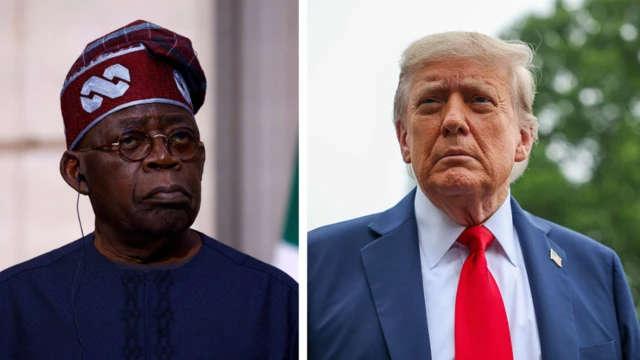
The announcement first came late Friday night from former US President Donald Trump through his Truth Social platform. In his statement, Trump disclosed that he had personally approved the mission, describing it as highly complex and carefully executed. He praised the coordination between both countries and highlighted the role of intelligence in tracking the ISIS leader’s movements.
Trump stated that Al Manuki had believed he could evade detection by relocating to Africa, but intelligence sources had been closely monitoring his activities. He noted that the operation successfully removed what he described as one of the most dangerous terrorists currently operating in the world.
Read more on: Many Students Reportedly Abducted as Boko Haram Raids Borno Village School
By early Saturday morning, Nigerian President Bola Ahmed Tinubu released an official statement confirming the development. The president revealed that preliminary reports indicated a successful strike on a fortified compound believed to be housing Al Manuki and several of his key associates. The operation resulted not only in the death of the ISIS leader but also in the elimination of several high ranking members within his network.
Tinubu commended the professionalism and courage of the Nigerian Armed Forces, emphasizing their critical role in the mission. He also expressed appreciation for the support provided by the United States, describing the collaboration as a clear demonstration of what can be achieved through international partnership in addressing global security threats.
The Nigerian president described the mission as bold and decisive, noting that it delivered a significant setback to ISIS operations, particularly within Africa. He reiterated his administration’s commitment to ensuring the safety and security of Nigerians and to continuing efforts aimed at dismantling terrorist networks operating within and beyond the country’s borders.
Abu Bilal Al Manuki’s journey to becoming one of the most wanted terrorists in the world is a story that reflects the evolving nature of extremist groups in recent years. Originally from Nigeria, he was known to have operated locally before rising through the ranks of ISIS to assume a global leadership role.
His influence expanded significantly after he became associated with the Islamic State’s General Directorate of Provinces, a key arm of the organization responsible for overseeing its international branches. In this capacity, Al Manuki played a central role in coordinating activities across various regions, including Africa, the Middle East, and parts of Asia.
Read more on: APC Screens Out Four Fubara Allies, Approves 21 for Rivers Reps Primaries
In 2023, the United States formally designated him as a Specially Designated Global Terrorist, citing his involvement in financing operations, directing attacks, and providing strategic guidance to ISIS affiliates. This designation placed him on the radar of multiple international intelligence agencies, all of which intensified efforts to track and neutralize him.
As ISIS began to lose ground in its traditional strongholds in Syria and Iraq, many of its leaders sought refuge in other regions. Africa, particularly the Sahel and Lake Chad Basin, became a focal point due to its porous borders and existing security challenges. Al Manuki was among those who relocated, reportedly believing that the region would offer protection from sustained military pressure.
However, his presence in Africa also made him a priority target for counterterrorism efforts led by both regional and international actors. Security experts note that his operations in the region contributed to increased coordination among extremist groups, as well as the expansion of ISIS influence in parts of West and Central Africa.
The success of the recent operation highlights a shift in how such threats are being addressed. While US forces have traditionally maintained a support role in Africa, focusing on intelligence sharing, training, and advisory functions, this mission demonstrated a deeper level of operational collaboration. Advanced surveillance technology, combined with local intelligence and ground operations carried out by Nigerian troops, played a crucial role in ensuring the mission’s success.
Read more on: Dangote Refinery Files Lawsuit Against Nigerian Government Over Petrol Import Permits
Analysts believe that the removal of Al Manuki represents a major disruption to ISIS’s global network. As a key figure responsible for managing financial flows and coordinating activities across different regions, his absence is expected to create gaps in the group’s structure and reduce its ability to carry out large scale operations.
Experts also suggest that intelligence materials recovered from the site of the strike could provide valuable insights into the organization’s future plans, funding mechanisms, and communication channels. Such information could lead to further operations targeting remaining members of the network.
President Tinubu, in his statement, described the outcome as a heavy blow to terrorism, not just in Nigeria but across the African continent and beyond. He emphasized that the fight against terrorism requires sustained effort and cooperation, noting that this operation serves as an example of what can be achieved when nations work together toward a common goal.
Trump echoed similar sentiments in his remarks, stating that the death of Al Manuki would significantly weaken ISIS’s operational capacity. He added that the individual had been involved in planning attacks that threatened both African populations and Western interests, making his elimination a matter of global importance.
The broader implications of this development extend beyond immediate security concerns. The successful collaboration between Nigeria and the United States signals a strengthening of ties in the area of defense and intelligence. In the past, there have been moments of tension between the two countries, particularly regarding human rights concerns and security policies. However, this joint operation suggests a renewed commitment to partnership in addressing shared challenges.
Read more on: Police Arrest Suspected Armed Thugs with Links to Lawmaker During Ekiti APC Primary
For residents of regions affected by insurgency, the news brings a sense of cautious optimism. While the death of a key leader does not immediately end the threat posed by terrorist groups, it represents a step forward in weakening their capabilities and restoring stability.
Military authorities are expected to release additional details about the operation in the coming days, including information about follow up actions and any intelligence gathered during the mission. There is also anticipation regarding how ISIS might respond, as such losses often trigger attempts at retaliation or restructuring within the group.
Despite these uncertainties, the elimination of Abu Bilal Al Manuki stands as a clear indication that sustained pressure on terrorist networks can yield results. It reinforces the importance of intelligence driven operations, regional cooperation, and the continued commitment of both local and international forces in the fight against extremism.
As the world reacts to the news, one thing remains evident. The battle against terrorism is far from over, but moments like this demonstrate that progress is possible when nations align their efforts and remain resolute in their objectives.
Read more on:
- Nigeria and Germany Strengthen Ties with €365 Million Development and Investment Partnership
- US and China Agree Iran Must Never Obtain Nuclear Weapons
- Wike Fires at Makinde, Rejects PDP-APM Alliance and Questions His Presidential Ambition
- Trillions in the Ground, Still Searching for Bars As NCC Reveals Telcos’ N2.5tn Infrastructure Gamble