The Middle East has stepped back from the brink, at least for now.
In a dramatic development late on Monday, May 18, 2026, United States President Donald Trump confirmed that he had halted a large-scale military strike on Iran that had been scheduled for the following day. The planned operation, which many analysts feared could trigger a wider regional war, was called off just hours before it was expected to begin.
What makes this moment particularly striking is not just the scale of the military action that was being prepared, but the unlikely group responsible for stopping it. The decision did not emerge from direct negotiations between Washington and Tehran. Instead, it followed urgent diplomatic efforts led by key Gulf Arab leaders, including Qatar’s Emir Sheikh Tamim bin Hamad Al Thani, Saudi Arabia’s Crown Prince Mohammed bin Salman, and the President of the United Arab Emirates, Mohamed bin Zayed Al Nahyan.
Their intervention appears to have created a narrow but critical window for diplomacy in a conflict that has been steadily escalating for months.
How the Region Reached a Breaking Point
To understand the gravity of this near miss, it is important to revisit how tensions spiraled to such a dangerous level in the first place.
The current crisis traces back to late February 2026, when a joint United States and Israeli military campaign targeted Iran under what was reported as Operation Epic Fury. The operation focused on key elements of Iran’s military infrastructure and resulted in a major turning point with the death of Iran’s Supreme Leader, Ali Khamenei. That event alone sent shockwaves across the region and effectively set the stage for a prolonged and volatile confrontation.
Iran responded swiftly and forcefully. Hundreds of drones and missiles were launched toward Israeli territory, United States military bases in the region, and several Gulf states. The retaliation did not stop at direct military engagement. Tehran also moved to disrupt global trade by closing the Strait of Hormuz, a vital maritime route through which a significant portion of the world’s oil supply passes.
The closure of the Strait created immediate economic consequences, pushing energy markets into turmoil and raising fears of a global supply crisis. In response, the United States implemented a naval counter blockade, further tightening the standoff.
Although there was a brief pause in hostilities following a ceasefire effort reportedly mediated by Pakistan in April, the agreement proved fragile and eventually collapsed. Tensions quickly returned, with both sides issuing increasingly sharp warnings.
In recent days, President Trump had escalated his rhetoric, warning Iranian leaders that time was running out and signaling that a decisive military response was imminent. The planned strike for May 19 was expected to target critical infrastructure within Iran, including energy facilities and possibly civilian-linked assets, marking a significant escalation in the conflict.
Read more on: Ben Murray-Bruce, 46 Others Disqualified From APC Senatorial Primaries
Gulf States Step In
With the threat of a major United States assault looming, Gulf leaders made a calculated and urgent move to intervene.
Despite their complicated relationships with Iran, which have included rivalry, mistrust, and even reports of covert confrontations, these countries share a strong interest in maintaining regional stability. A full-scale war between the United States and Iran would likely have devastating consequences for their economies, particularly given their dependence on stable oil markets and secure shipping routes.
Recognizing these risks, the leaders of Qatar, Saudi Arabia, and the UAE reportedly engaged in direct communication with Washington, urging restraint and offering assurances that diplomatic progress was possible.
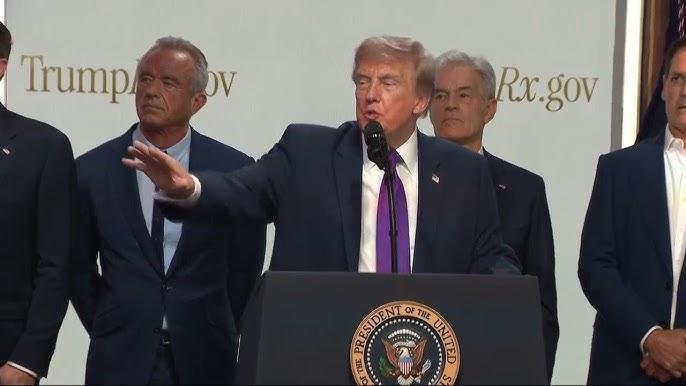
President Trump later acknowledged their role publicly, stating that he had been asked by these leaders to delay the military operation. According to his remarks, they expressed confidence that meaningful negotiations were already underway and could produce an outcome acceptable not only to the United States but to the broader international community.
Their intervention appears to have been persuasive enough to secure a temporary pause, even as military preparations remained in place.
Read more on: Governor Makinde Confirms Teacher Killed, Pledges Rescue of Remaining Victims Amid Oyo Abduction
The Core Issues Dividing Washington and Tehran
While the decision to delay the strike has created an opportunity for dialogue, significant differences remain between the positions of the United States and Iran.
At the heart of the dispute is the issue of nuclear capability. The United States has maintained a firm stance that Iran must completely abandon any ambition to develop nuclear weapons. This demand has been described as non negotiable by the Trump administration.
In addition to nuclear concerns, Washington is pushing for broader restrictions on Iran’s military capabilities, including its ballistic missile program and its involvement with armed groups across the region. Another key priority is the reopening of the Strait of Hormuz to ensure the free flow of global trade.
Iran, on the other hand, has its own set of demands. Chief among them is relief from the heavy economic sanctions imposed by the United States, particularly those targeting its oil sector. Tehran is also seeking the release of frozen financial assets held abroad, which it argues are critical for stabilizing its economy.
Iranian officials have proposed a phased approach to resolving the crisis. This would include gradually reopening the Strait of Hormuz and establishing an internationally supported reconstruction fund, while postponing some of the more contentious issues, such as nuclear limitations, for later stages of negotiation.
Reports suggest that there has been some movement on the United States side, with officials indicating a willingness to allow limited civilian nuclear activity under strict international monitoring. There have also been discussions about partially unfreezing Iranian assets. However, the scale and pace of such measures remain major sticking points, with Washington reportedly offering to release only a portion of the funds over time.
Read more on: Iran Issues Stark Warning to UAE Amid Israel Ties
A Fragile Pause in a Dangerous Conflict
Despite the hopeful tone surrounding the diplomatic efforts, it is important to recognize that this moment represents a pause rather than a resolution.
President Trump made it clear that the United States military remains on high alert. While the planned strike has been postponed, it has not been canceled. Orders have reportedly been given to maintain readiness for a rapid and large scale operation should negotiations fail.
This underscores the fragile nature of the current situation. The same conditions that brought the region to the edge of conflict still exist, and any breakdown in talks could quickly reverse the progress made.
For now, the responsibility falls heavily on the Gulf mediators who helped broker this temporary reprieve. Their ability to sustain dialogue and bridge the gap between two deeply opposed sides will be critical in determining what happens next.
The stakes could hardly be higher. A successful diplomatic outcome could ease tensions and restore a degree of stability to the region. Failure, however, could lead to a rapid escalation with consequences that extend far beyond the Middle East.
As the world watches closely, one thing is clear. Time remains a critical factor, and the window for a peaceful resolution may be narrower than it appears.
Read more on: