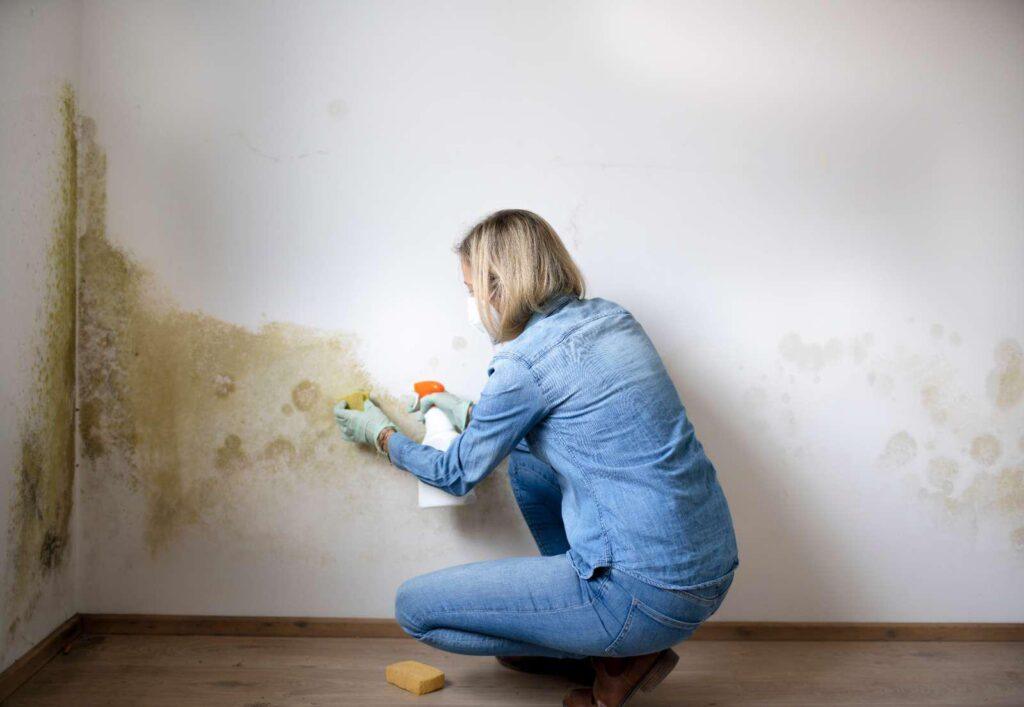
We put a lot of effort into making our homes feel safe and healthy. Air purifiers, clean diets, good furniture, and regular cleaning routines are all part of modern living. But despite all these efforts, there is a silent intruder that often goes unnoticed. It grows quietly, spreads slowly, and can affect health in ways many people do not immediately connect to their environment. That intruder is indoor mold.
Mold is more than just a stain on a wall or a musty smell in a corner. It is a living organism that thrives in damp, poorly ventilated spaces. With changes in weather patterns, heavier rainfall in many regions, and increasing indoor humidity due to sealed modern buildings, mold has become a more common household issue. The real concern is not just its presence, but the wide range of health effects it may trigger or worsen over time.
How Mold Affects the Body Without You Realizing It
One of the most troubling things about mold exposure is how easily it can be mistaken for other health conditions. Many people live with symptoms for months or even years without realizing that their home environment could be part of the problem. Mold does not always cause dramatic reactions. Instead, it often creates a slow, ongoing irritation in the body that is difficult to identify.
Health professionals and environmental studies have shown that mold exposure can affect people in several different ways depending on sensitivity, duration of exposure, and overall health condition.
Allergy-Like and Respiratory Symptoms
For many individuals, mold exposure first appears as common allergy symptoms. These can easily be mistaken for seasonal flu, dust allergies, or mild infections. A key clue is when symptoms persist at home but improve when the person stays elsewhere.
Common signs include persistent nasal congestion, frequent sneezing, and a runny or blocked nose. Some people develop a dry cough that refuses to go away, along with throat irritation or wheezing. Eyes may become watery, itchy, or red without a clear cause. In some cases, the skin reacts with rashes or eczema flare-ups that seem to come and go without explanation.
Read more on: PCOS Renamed PMOS: A New Era in Understanding Women’s Hormonal Health
Effects on the Brain and Emotional Health
In more prolonged exposure cases, mold may contribute to symptoms that are not immediately linked to respiratory issues. This is where the problem becomes harder to detect. Some individuals report constant tiredness, difficulty concentrating, or what is often described as brain fog. Memory lapses and reduced mental clarity may also occur.
There is also growing discussion in environmental health research about the possible link between mold exposure and mood changes. People have reported increased anxiety, irritability, and low mood when living in damp environments for extended periods. While these symptoms can have many causes, persistent exposure to indoor mold is increasingly recognized as a potential contributing factor.
Higher Risks for Vulnerable Groups
Certain groups are more affected than others. Children, older adults, individuals with asthma, and those with weakened immune systems tend to experience stronger reactions. Studies have shown that early exposure to damp and moldy environments can increase the likelihood of developing respiratory conditions such as asthma later in life.
In more severe cases, ongoing exposure can worsen existing breathing conditions and lead to frequent medical visits or emergency care. This is why mold is not only considered a household issue but also a public health concern in many regions.
Read more on: Six Common Cancer Driving Global Death Rates And Their Early Symptoms
Where Mold Hides Inside the Home
Mold does not always appear in obvious places. It does not require a major flood or visible water damage to begin growing. All it needs is moisture, a food source such as wood, wallpaper, or drywall, and time. Under the right conditions, mold can begin to develop within one to two days.
This means even small leaks or unnoticed damp areas can become a problem if left unchecked.
Common hidden areas include spaces behind walls where leaking pipes may slowly release moisture over time. Because the damage is hidden, mold can grow for months before it becomes visible. Window frames are another frequent location, especially where condensation collects during temperature changes.
Basements and crawl spaces are also high-risk areas due to limited ventilation and naturally higher humidity levels. In many homes, air conditioning systems can also contribute if they are not properly cleaned and maintained. Once mold develops in HVAC systems, spores can spread throughout the entire house through airflow.
Simple Conditions That Allow Mold to Spread
Mold growth depends on a few basic conditions coming together. Moisture is the most important factor, followed by organic material and time. Once these conditions are present, growth can begin quickly.
A simple way to understand it is:
Moisture plus organic surface plus time equals mold growth.
This is why even minor leaks or consistent dampness should never be ignored.
Read more on: 8 Things to Know About Metastatic Kidney Cancer
How to Reduce Mold in Your Living Space
If mold is suspected in a home, the goal should always be to address the cause rather than just the symptoms. Cleaning temporary surfaces without fixing moisture issues will only provide short-term relief.
One of the most effective steps is controlling indoor humidity. Using a small humidity monitor can help track moisture levels in the home. Ideally, indoor humidity should stay between 30 percent and 50 percent. When it rises above 60 percent, conditions become favorable for mold growth.
Ventilation is equally important. Bathrooms and kitchens should always have proper airflow. Exhaust fans should be used during and after cooking or showering to reduce trapped moisture. Keeping air moving helps prevent damp conditions from forming.
Outdoor drainage also plays a role. Gutters and drainage pipes should be kept clear so that rainwater is directed away from the home foundation. Water that collects near the building can eventually seep indoors and create hidden dampness.
Any spills, leaks, or wet surfaces should be dried quickly. Ideally, moisture should be removed within 24 to 48 hours to prevent mold from taking hold.
Cleaning and Safety Considerations
Small patches of mold on non porous surfaces can sometimes be cleaned at home using detergent and water. However, safety precautions are essential. Protective gloves, masks, and eye protection should be worn to avoid inhaling spores during cleaning.
It is important never to mix household cleaning chemicals such as bleach and ammonia, as this can release dangerous fumes.
For larger mold infestations or cases where mold has penetrated materials like drywall, insulation, or carpet, professional remediation is strongly recommended. Disturbing large colonies without proper equipment can release spores into the air and make the problem worse.
Read more on: Top Skills That Will Make You Highly Employable in 2026
Final Thoughts
A home is meant to be a place of comfort and safety, but hidden environmental issues can quietly affect health over time. Mold is one of those issues that often goes unnoticed until symptoms become persistent or disruptive.
If someone experiences ongoing allergies, unexplained fatigue, or recurring respiratory issues, it may be worth examining their living environment more closely. Damp smells, water stains, or peeling paint can all be warning signs.
Addressing mold early is not just about protecting a building. It is about protecting health, comfort, and overall quality of life.
Read more on: