Human trafficking continues to rank among the most disturbing and far-reaching crimes in the world today. Across continents, criminal networks prey on desperation, ambition, and vulnerability, luring victims with promises of a better life only to trap them in cycles of exploitation. In Nigeria, a recent operation carried out by the Nigeria Police Force has exposed just how organized and deceptive these networks can be.
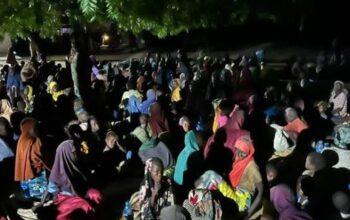
In what authorities have described as a major success against cross-border crime, operatives of the Intelligence Response Team carried out a coordinated crackdown on a transnational trafficking syndicate operating around the Federal Capital Territory. The operation led to the rescue of 30 young nationals from Mali and the arrest of 13 suspects believed to be deeply involved in the illegal network.
This case has not only revealed the inner workings of a highly structured trafficking ring but has also shed light on the disturbing methods used to manipulate and exploit victims.
How the Operation Unfolded
The breakthrough came after intelligence reports pointed to the unusual disappearance and confinement of several foreign nationals within parts of central Nigeria. Acting on this information, the police launched a carefully planned mission aimed at uncovering the truth and dismantling those responsible.
On May 7, 2026, operatives moved in on multiple locations linked to the syndicate. The raids targeted residential buildings and suspected hideouts along Barrister Road in Rugan Dakachi, as well as areas within Mararaba and Karu in Nasarawa State. These locations, though appearing ordinary from the outside, were being used as holding centers where victims were kept under strict control.
According to the Force Public Relations Officer, ACP Anthony Placid, the operation led to the safe rescue of 30 Malian citizens. Many of them were young individuals who had been subjected to harsh living conditions and denied basic freedom of movement.
For the victims, the raid marked the end of a traumatic experience that began with hope but quickly turned into a nightmare.
Read more on: Trump Holds Off Iran Strike Following Gulf Leaders’ Intervention
Lured by Promises of a Better Future
The syndicate operated with a clear and calculated strategy. Its primary targets were young people from West African countries such as Mali and Gabon, many of whom were seeking opportunities to improve their lives.
The traffickers presented themselves as agents or facilitators who could secure well-paying jobs or arrange travel to Europe. These promises were carefully crafted to sound legitimate, often including detailed plans and assurances that convinced victims and their families.
Before any journey began, victims were required to pay significant sums of money. These payments were described as processing fees, travel expenses, or documentation costs. For many families, raising these funds involved selling assets or borrowing money, placing them under financial strain even before the exploitation began.
Once the victims arrived in Nigeria, the reality was far different from what they had been promised.
Trapped and Exploited
Instead of jobs or travel arrangements, the victims were taken to residential buildings in Mararaba and Karu. These locations served as confinement centers where the traffickers maintained strict control over their captives.
Movement was heavily restricted, and victims were monitored closely to prevent escape. Communication with the outside world was limited, and in some cases, entirely cut off. The individuals were left in a vulnerable state, isolated from support systems and unable to seek help.
At this stage, the traffickers began to exploit them financially. Victims were pressured to provide more money, often under the pretense that additional payments were needed to complete travel arrangements or secure job placements.
For those who could no longer meet these demands, the situation took an even darker turn.
Read more on: Ben Murray-Bruce, 46 Others Disqualified From APC Senatorial Primaries
Forced Into Fake Kidnapping Schemes
One of the most disturbing aspects of this case is the use of staged kidnapping operations as a tool for extortion.
According to police findings, when the traffickers realized that victims had exhausted their financial resources, they resorted to coercion. The victims were forced to contact their families back home and claim that they had been kidnapped by unknown criminals in Nigeria.
These calls were designed to sound urgent and believable. Families, already worried about their loved ones, were thrown into panic. They were then instructed to pay ransom money into specific bank accounts controlled by the syndicate.
In reality, there had been no external kidnapping. The entire scenario was orchestrated by the traffickers themselves as a way to extract more money from already struggling families.
This method not only deepened the financial damage but also inflicted emotional trauma on both the victims and their relatives.
Arrests and Key Figures
The police operation resulted in the arrest of 13 individuals believed to be part of the trafficking network. Among them is Abdul Ngaki, who authorities have identified as the suspected leader of the group.
Alongside him, several others were taken into custody for their roles in running the operation. These roles ranged from recruitment and transportation to guarding victims and managing financial transactions.
The arrested suspects include Fatimah Kulibali, Ahmad Kasango, Sidibe Musa, Muhammad Dembele, Saidu Traore, Ali Koulibaly, Abdul Ngeki, Ahmed Sirma, Laya Bando, Aisha Dembele, Abi Togo, and Awa Tesure.
Investigators believe that this group functioned as part of a larger network, with each member playing a specific role to ensure the smooth operation of the scheme.
A Wider Problem Across Borders
This case highlights the growing challenge of transnational crime in West Africa. Trafficking networks are becoming more sophisticated, often operating across multiple countries and using modern communication tools to recruit and control victims.
Economic hardship and limited opportunities continue to make young people vulnerable to such schemes. The promise of a better life abroad can be difficult to resist, especially when presented in a convincing manner.
The involvement of victims from countries like Mali also underscores the need for stronger regional cooperation in tackling these crimes. Trafficking does not respect national borders, and efforts to combat it must be equally coordinated.
Read more on: Governor Makinde Confirms Teacher Killed, Pledges Rescue of Remaining Victims Amid Oyo Abduction
Community Efforts Played a Role
An important factor in this operation was the role played by the Malian diaspora community in Nigeria. Concerned by distress messages and inconsistent reports from relatives, community leaders raised the alarm and brought the situation to the attention of authorities.
Their actions helped trigger the investigation that eventually led to the rescue operation. This highlights the importance of community awareness and vigilance in identifying and reporting suspicious activities.
What Happens Next
While the rescue of the 30 victims is a significant achievement, authorities have made it clear that the work is not yet complete. Investigations are ongoing to identify and apprehend other members of the network who may still be at large.
The victims are currently receiving care and support as they begin the process of recovery. After enduring such experiences, rehabilitation will be an important step in helping them rebuild their lives.
The Nigeria Police Force has also reiterated its commitment to tackling human trafficking and related crimes. Operations like this send a strong message that such activities will not go unchecked.
Read more on: Iran Issues Stark Warning to UAE Amid Israel Ties
A Cautionary Reality
This case serves as a powerful reminder of how easily hope can be manipulated by criminal elements. What begins as a search for opportunity can quickly turn into a situation of exploitation and abuse.
At the same time, it also shows that coordinated efforts, timely intelligence, and community involvement can make a real difference. The dismantling of this network has not only saved lives but has also disrupted a system that thrived on deception and fear.
Even so, the broader fight against human trafficking continues, and it will require sustained action from governments, communities, and individuals alike to prevent more people from falling into similar traps.
Read more on: