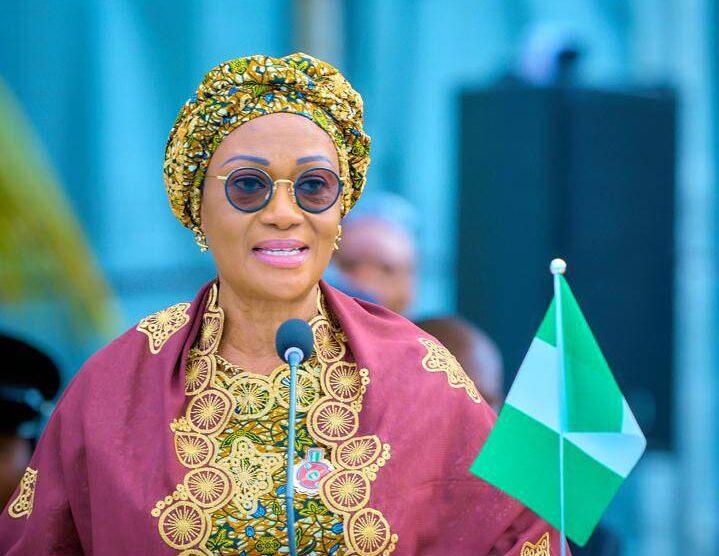
Nigeria’s First Lady, Senator Oluremi Tinubu, has made a strong and urgent appeal for coordinated national and global efforts to put an end to child marriage and eliminate obstetric fistula, a condition that continues to affect thousands of women and girls across developing regions. Her message comes as part of activities marking the 2026 International Day to End Obstetric Fistula, a day set aside to raise awareness about the condition and mobilize action toward its eradication.
In her official statement, the First Lady aligned Nigeria with the global community in advocating for the health, dignity, and fundamental rights of women and girls. She emphasized that obstetric fistula is not just a medical condition but a reflection of deeper social and structural challenges that must be addressed collectively. According to her, no woman or girl should suffer from a condition that is entirely preventable and treatable in today’s world.
Obstetric fistula is a severe childbirth injury that occurs when a woman experiences prolonged and obstructed labor without access to timely medical care. The condition results in an abnormal opening between the birth canal and the bladder or rectum, leading to continuous leakage of urine or feces. Beyond the physical pain, it often leaves affected women dealing with emotional trauma, social isolation, and stigma within their communities.
Senator Tinubu drew a direct link between the persistence of obstetric fistula and the widespread practice of child marriage. She explained that many young girls are forced into marriage and pregnancy before their bodies are fully developed, significantly increasing the risk of complications during childbirth. These early pregnancies often occur in environments where access to skilled healthcare professionals is limited or completely unavailable.
Read more on: Iran Chief Negotiator Warns of Severe Retaliation if US Resumes Attacks
She noted that when girls are married off at a young age, they are frequently removed from school, cutting short their education and limiting their opportunities for personal and economic growth. This lack of education further compounds their vulnerability, as they may not have the knowledge or resources needed to seek proper maternal healthcare. The result is a cycle of disadvantage that continues to expose young girls to preventable health risks.
The First Lady also highlighted the role of cultural and traditional practices in sustaining this cycle. In many communities, deeply rooted beliefs and norms continue to prioritize early marriage while discouraging the use of modern healthcare services. These factors, combined with poverty and inadequate infrastructure, create significant barriers that prevent women from accessing the care they need during pregnancy and childbirth.
Reflecting on the global theme for 2026, which focuses on the idea that every woman has the right to quality healthcare, Senator Tinubu stressed that safe motherhood should never be treated as a privilege reserved for a few. Instead, she argued that it is a basic human right that must be guaranteed for all women, regardless of their location or economic status.
She called on governments at all levels, as well as healthcare providers, civil society organizations, and community leaders, to take decisive steps toward addressing the root causes of obstetric fistula. According to her, meaningful progress will require a combination of policy reforms, public awareness campaigns, and investments in healthcare infrastructure.
Read more on: Oyo School Abduction: Terrorists Open Dialogue, List Conditions
One of the key areas she emphasized was the need for stronger enforcement of laws that prohibit child marriage. While legal frameworks may already exist in some regions, implementation often remains weak. She urged authorities to work closely with local communities to ensure that these laws are respected and that harmful practices are gradually eliminated.
Education was another major focus of her message. The First Lady described education as one of the most powerful tools for protecting young girls and empowering them to make informed decisions about their lives. By keeping girls in school, communities can delay early marriages and pregnancies while also equipping young women with the knowledge and skills they need to pursue better opportunities.
In addition to legal and educational interventions, Senator Tinubu highlighted the importance of improving access to healthcare services, particularly in rural and underserved areas. She pointed out that many cases of obstetric fistula occur in regions where healthcare facilities are either too far away or lack the necessary resources and trained personnel. Expanding healthcare infrastructure and ensuring the availability of skilled birth attendants, she said, are essential steps toward preventing the condition.
The First Lady also called for increased collaboration among stakeholders, noting that the fight against obstetric fistula cannot be won by governments alone. She encouraged partnerships between public institutions, private organizations, and international bodies to mobilize resources and share expertise. Community engagement, she added, is equally important in changing attitudes and promoting healthier practices.
Read more on: NNPC Accuses Dangote of Monopoly Ambitions Over Fuel Market
She concluded her message by emphasizing that addressing obstetric fistula is not only a health issue but also a matter of social justice and human dignity. A society that allows women and girls to suffer from preventable conditions, she noted, cannot claim to be truly progressive. Ensuring that every woman has access to safe and respectful maternal care is a critical step toward building a more inclusive and equitable future.
As Nigeria joins the rest of the world in marking this important day, the First Lady’s message serves as a reminder of the work that still needs to be done. While progress has been made in some areas, many women and girls continue to face significant challenges that put their health and well-being at risk.
The call to action is clear. Ending child marriage, expanding access to education, and strengthening healthcare systems are all essential components of a broader strategy to eliminate obstetric fistula. With sustained commitment and collective effort, it is possible to create a future where no woman or girl has to endure the pain and stigma associated with this preventable condition.
Read more on: