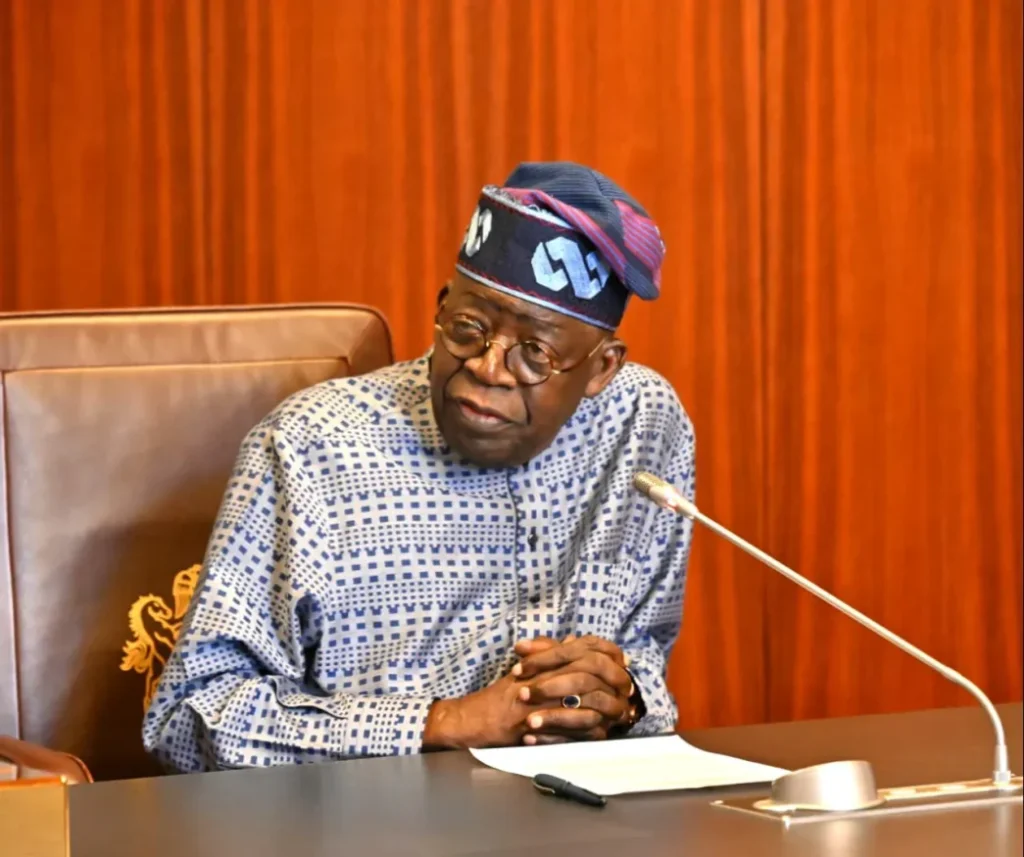
Nigeria’s political space is once again buzzing with fresh developments following a significant move by President Bola Ahmed Tinubu, who has carried out a targeted cabinet reshuffle that is already generating widespread discussion across the country. Announced on Tuesday, April 21, 2026, the decision may appear limited in scale at first glance, but its implications are far-reaching, especially for the nation’s economic direction and governance priorities.
At the heart of the reshuffle is the removal of two senior ministers, a move that signals not just routine administrative adjustment but a deliberate recalibration of the administration’s strategy as it approaches a critical phase of its tenure. Among those affected is Wale Edun, who until now served as the Minister of Finance and Coordinating Minister of the Economy, a position widely regarded as one of the most powerful in the cabinet. Also stepping down is Ahmed Musa Dangiwa, who held the portfolio for Housing and Urban Development.
Their exits mark the beginning of a transition that the Presidency appears keen to frame as necessary for renewed momentum rather than a reflection of outright failure. In their place, new leadership has been introduced with an emphasis on technical competence and policy execution, suggesting that the President is increasingly focused on measurable outcomes rather than incremental progress.
Read more on: Former President Jonathan Responds After Atiku’s Criticism
The official communication of the reshuffle came through a memo signed by the Secretary to the Government of the Federation, Senator George Akume, lending formal weight to what many analysts are describing as a pivotal moment for the administration. The document outlined the immediate changes while also hinting at a broader philosophy guiding the President’s decisions, one that prioritizes efficiency, cohesion, and a stronger alignment with the administration’s economic agenda.
Perhaps the most consequential aspect of the reshuffle is the elevation of Taiwo Oyedele to the position of substantive Minister of Finance and Coordinating Minister of the Economy. This move has drawn considerable attention, not only because of the importance of the role but also due to Oyedele’s track record and familiarity with the administration’s fiscal reform agenda. Prior to this appointment, he served as Minister of State for Finance, positioning him as a key insider already deeply involved in shaping policy.
Before entering government, Oyedele built a strong reputation as a tax expert and policy strategist. He gained national prominence as the Chairman of the Presidential Committee on Fiscal Policy and Tax Reforms, where he played a central role in designing and pushing through the sweeping tax reforms that defined the 2025 and 2026 fiscal landscape. These reforms, though sometimes controversial, were widely seen as a bold attempt to streamline revenue generation and reduce inefficiencies within Nigeria’s tax system.
His elevation therefore does not come as a surprise to those who have been closely following developments within the economic team. Instead, it appears to be a calculated decision by President Tinubu to consolidate fiscal authority under someone who not only understands the administration’s vision but has already been instrumental in shaping it. With this new responsibility, Oyedele is expected to take the lead in stabilizing the national currency, improving government revenue streams, and ensuring the full implementation of the new tax framework.
Read more on: FG Slams 13-Count Treason Charges on Alleged Coup Plotters
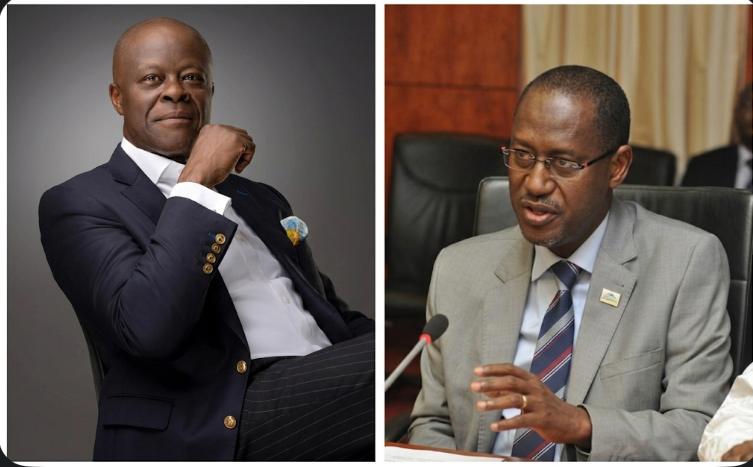
At the same time, the removal of Wale Edun has raised eyebrows in political circles. As a long-standing ally of the President, Edun was seen as a trusted figure within the inner workings of the administration. His departure has therefore sparked speculation about internal dynamics, including whether there were disagreements over policy direction or performance expectations. While no official reason has been given for his removal, the decision underscores the President’s willingness to make tough calls, even when they involve close associates.
In the Housing and Urban Development Ministry, the transition is equally notable. Ahmed Musa Dangiwa has been replaced by Dr. Muttaqha Rabe Darma, who has been named as Minister-designate pending Senate confirmation. Until that process is completed, the Minister of State for Housing has been directed to oversee the ministry’s activities, ensuring continuity in ongoing projects.
Darma’s appointment introduces a new figure into a ministry that plays a crucial role in addressing one of Nigeria’s most pressing challenges: housing deficits and urban infrastructure. The administration has repeatedly emphasized its commitment to large-scale housing initiatives under the Renewed Hope Agenda, and this change suggests a desire to accelerate progress in that area. Observers believe the new leadership will be expected to bring fresh energy and a more results-driven approach to the ministry’s operations.
Although the Presidency has maintained a diplomatic tone in explaining the reshuffle, several underlying factors appear to have influenced the decision. One of the most prominent is the need for stronger coordination within the economic team. Despite some improvements in macroeconomic indicators, there have been concerns about inconsistencies in policy execution and internal disagreements over revenue generation strategies. By elevating Oyedele, the President seems to be addressing these concerns head-on, opting for a more unified and assertive approach to fiscal management.
Read more on: APC Unveils 2027 Election Timetable, Reveals Costs for Presidential and Governorship Forms
Another factor is the emphasis on tangible service delivery. While policies and reforms are important, the administration is increasingly under pressure to demonstrate real-world impact, particularly in areas such as housing, cost of living, and job creation. The changes in the Housing Ministry suggest that the President is not satisfied with the pace of progress and is seeking leadership that can translate policy into visible outcomes more effectively.
There is also a broader message embedded in the reshuffle, one that extends beyond the individuals directly affected. By describing the process as part of a continuous effort at reinvigoration, the President is signaling that no position within the cabinet is guaranteed. Performance, alignment with government priorities, and the ability to deliver results are clearly being emphasized as key criteria for remaining in office. This approach may serve as both a motivator and a warning to other members of the Federal Executive Council.
To ensure a smooth transition, the Presidency has set a firm deadline for the handover process. All outgoing ministers are required to complete their duties by the close of business on Thursday, April 23, 2026. This tight timeline reflects the administration’s desire to maintain stability and avoid disruptions in government operations during the transition period. The legal authority for the reshuffle has been anchored in Sections 147 and 148 of the 1999 Constitution, which grant the President the power to appoint and reassign ministers.
Reactions to the reshuffle have been mixed but generally measured. Within the business community, particularly in Lagos, the appointment of Taiwo Oyedele has been greeted with cautious optimism. Many stakeholders view him as a pragmatic and technically sound professional who understands the complexities of Nigeria’s fiscal environment. His previous work on tax reforms has earned him credibility, and there is hope that he will bring greater clarity and consistency to economic policy.
Read more on: Former Senator Set to Announce New Political Direction as ADC Crisis Deepens
At the same time, the political implications of the reshuffle are still unfolding. The removal of a figure like Wale Edun has inevitably fueled speculation about shifting alliances and internal recalibrations within the administration. While it is too early to draw definitive conclusions, the move has reinforced the perception that the President is willing to prioritize performance over loyalty when making critical decisions.
Ultimately, this cabinet reshuffle highlights a broader shift in focus for the Tinubu administration. With the 2027 election cycle gradually coming into view, there is a growing emphasis on delivering results that can be felt by ordinary Nigerians. Economic reforms, no matter how well-designed, must translate into improved living conditions, greater opportunities, and a sense of progress that resonates with the public.
By placing a seasoned fiscal expert like Oyedele at the helm of the Finance Ministry, the administration appears to be doubling down on its commitment to economic transformation. The success of this strategy will depend not only on policy design but also on effective implementation and coordination across different sectors of government.
In the end, what may seem like a limited reshuffle could prove to be a defining moment for the administration. It reflects a willingness to adapt, to make difficult choices, and to recalibrate in response to evolving challenges. Whether these changes will deliver the desired outcomes remains to be seen, but one thing is clear: the President is no longer content with gradual progress alone and is now pushing for results that can be seen, measured, and felt across the country.
Read more on:
- Terror group gives 72-hour Ultimatum, demands ₦5bn for 416 abducted women and children
- Iran launches drone attack on U.S. warships
- Benue Kidnapping: Gunmen Demand ₦9 Million per Passenger
- Former Nigeria Football Federation Chief Dies as Details Emerge
- Bauchi PDP-APC Realignment Talks Collapse in Deadlock
- Security forces uncover Lagos baby factory, rescue 18 women