What was expected to be a period of cautious calm between the United States and Iran has instead taken a troubling turn, as fresh maritime confrontations in the Strait of Hormuz threaten to undermine already fragile diplomatic efforts. Only hours after former President Donald Trump announced the extension of a ceasefire arrangement between Washington and Tehran, new incidents at sea have reignited global concern, highlighting how delicate and uncertain the current situation remains.
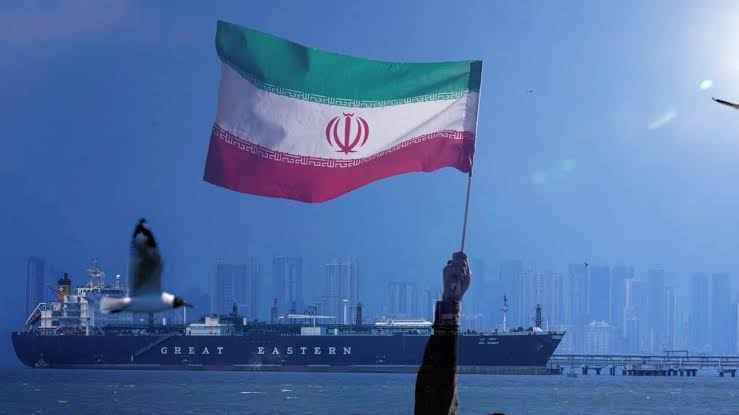
The Strait of Hormuz, widely regarded as one of the most strategically important waterways in the world, has once again become a focal point of geopolitical tension. This narrow passage connects the Persian Gulf to international waters and serves as a critical route for global energy supplies. A significant portion of the world’s oil and liquefied natural gas moves through this corridor each day, making any disruption not just a regional issue but a matter of global economic stability.
In the early hours of Wednesday, reports began to emerge of Iranian naval forces carrying out coordinated actions against commercial vessels attempting to pass through the strait. According to information provided by maritime monitoring agencies and regional sources, at least three ships were involved in incidents that included both direct confrontation and forced redirection.
Two vessels, identified as the MSC Francesca and the Epaminondas, were reportedly intercepted by units of Iran’s Islamic Revolutionary Guard Corps Navy. These ships, flying under the flags of Panama and Liberia respectively, were taken under control and directed toward Iranian waters. The circumstances surrounding their seizure remain a subject of intense scrutiny, with Iranian authorities claiming that the vessels had violated maritime regulations.
Read more on: Nigeria Reports Fresh COVID-19 Case Years After Pandemic
A third ship, known as the Euphoria, was said to have come under fire during the same sequence of events. Accounts suggest that the vessel sustained damage to its bridge following an exchange involving small arms and possibly rocket propelled weapons. The ship was left immobilized near the Iranian coastline, adding to the growing list of incidents raising alarm among international shipping operators.
Iranian officials have sought to justify these actions by pointing to alleged infractions committed by the vessels. Statements carried by local media outlets indicate that the seizures were linked to accusations of navigation system interference and other maritime violations. In the case of the MSC Francesca, authorities went further, suggesting a connection to Israel, a claim that appears to tie into broader regional tensions and recent retaliatory measures.
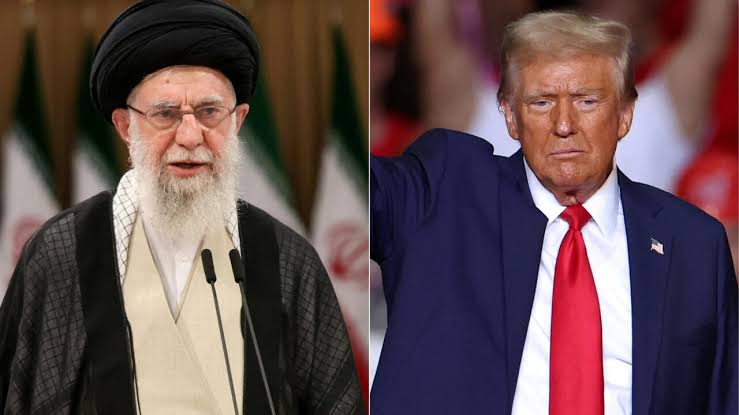
These developments have unfolded against the backdrop of a ceasefire initiative that was intended to reduce hostilities and create space for diplomatic engagement. On Tuesday evening, Donald Trump announced that the United States would continue to suspend offensive actions against Iran for an indefinite period. The decision was framed as an opportunity for negotiations to progress, with mediation efforts reportedly being facilitated through Pakistan.
Read more on: President Tinubu Ousts Finance Minister and 1 Other, Appoints New Replacements
However, the ceasefire is far from comprehensive. While aerial military actions have been paused, the United States has maintained its naval presence in the region, including a blockade affecting Iranian ports. This dual approach has created a situation where hostilities are reduced in some areas but persist in others, contributing to a sense of uncertainty and mistrust.
From Washington’s perspective, the continued pressure is seen as a necessary component of the strategy. The goal appears to be to encourage Iran to come to the negotiating table with a unified position and a willingness to engage constructively. Yet for Tehran, the ongoing blockade represents a significant obstacle, one that complicates internal decision making and raises questions about the sincerity of the ceasefire.
Diplomatic efforts are currently centered on planned talks in Islamabad, where representatives from both sides are expected to meet. However, progress has been slow, with reports indicating that Iran’s leadership remains divided over how to proceed. Some factions are said to favor engagement, while others argue that negotiations cannot take place under what they view as economic and military pressure.
The situation at sea has only added to these complications. By asserting control over parts of the Strait of Hormuz, Iran is effectively signaling its ability to influence global trade routes. This move can be interpreted as both a strategic response to external pressure and a means of strengthening its position ahead of any potential negotiations.
Read more on: Former President Jonathan Responds After Atiku’s Criticism
The economic impact of these developments has been immediate and far reaching. Global oil markets reacted swiftly to the news of increased instability in the strait. Prices for Brent crude surged, approaching the one hundred dollar per barrel mark, reflecting concerns about potential supply disruptions. This rise represents a significant increase compared to earlier in the year and has sparked fears of broader inflationary effects.
Shipping costs have also been affected, as insurance companies reassess the risks associated with operating in the region. War risk premiums for vessels traveling through the Persian Gulf have risen sharply, making it more expensive for companies to transport goods. For smaller operators, these costs may prove prohibitive, potentially leading to reduced traffic and further strain on supply chains.
The ripple effects extend beyond energy markets. Higher transportation costs can influence the prices of a wide range of goods, from food to manufactured products. As a result, the current tensions have implications not only for governments and corporations but also for ordinary consumers around the world.
Read more on: FG Slams 13-Count Treason Charges on Alleged Coup Plotters
Within Iran, official rhetoric has taken on a firm and defiant tone. Political leaders have emphasized their country’s right to respond to what they describe as external aggression. Statements from senior figures suggest that the reopening of the Strait of Hormuz to unrestricted international traffic is unlikely under current conditions. This position reflects a broader strategy of leveraging geographic and strategic advantages in response to perceived threats.
The United States, on the other hand, continues to present its actions as part of a broader effort to achieve a stable and lasting agreement. By maintaining certain forms of pressure while suspending others, policymakers appear to be attempting a delicate balancing act. The effectiveness of this approach remains uncertain, particularly in light of the recent maritime incidents.
Observers note that the current situation highlights the complexity of modern conflicts, where traditional boundaries between war and peace are increasingly blurred. The absence of airstrikes might suggest de escalation, yet the confrontations at sea tell a different story. This contrast underscores the challenges involved in managing and interpreting such a multifaceted conflict.
For countries that rely heavily on energy imports, the stakes are especially high. Any prolonged disruption in the flow of oil and gas through the Strait of Hormuz could have serious consequences for economic growth and stability. Governments are likely to monitor the situation closely, exploring contingency plans and alternative supply routes where possible.
Read more on: APC Unveils 2027 Election Timetable, Reveals Costs for Presidential and Governorship Forms
As events continue to unfold, attention will remain focused on whether diplomatic channels can regain momentum. The planned talks in Islamabad represent a potential opportunity to address underlying issues and reduce tensions. However, the success of these efforts will depend on the willingness of both sides to make compromises and build trust.
In the meantime, the situation in the Strait of Hormuz serves as a reminder of how quickly regional disputes can escalate into global concerns. The combination of strategic geography, economic importance, and political rivalry creates a volatile mix, one that requires careful management to prevent further escalation.
While the ceasefire has provided a temporary pause in certain forms of conflict, it has not resolved the underlying disagreements that continue to drive tensions. The events of the past twenty four hours illustrate just how fragile the current arrangement is, and how easily it can be tested by actions on the ground or at sea.
The coming days will be critical in determining the direction of this crisis. Whether the focus shifts back to diplomacy or moves toward renewed confrontation will depend on a range of factors, including decisions made in both Washington and Tehran. For now, the world watches closely as one of its most vital waterways becomes the center of a high stakes geopolitical struggle.
In the broader context, this episode highlights the interconnected nature of global systems. A single region can influence markets, politics, and daily life across continents. As such, the importance of maintaining stability in key areas like the Strait of Hormuz cannot be overstated.
The path forward remains uncertain, shaped by competing interests and complex dynamics. Yet one thing is clear: the events unfolding in this narrow stretch of water have implications that extend far beyond its shores, touching nearly every corner of the global community.
Read more on: