For many years, a common belief has circulated that traditional Nigerian foods are too oily, too heavy, or simply unsuitable for anyone trying to lose weight. This idea has led many people to abandon local meals in favour of strict imported diet plans that are often difficult to maintain in the long term. However, as conversations around health, fitness, and lifestyle continue to evolve across Nigeria in 2026, a different perspective is emerging. Nutritionists and health-conscious individuals are increasingly pointing out that Nigerian cuisine is actually rich in natural, wholesome ingredients that can support weight loss when prepared and consumed in the right way.
Instead of eliminating beloved local dishes, the focus is now shifting toward understanding portion control, healthier cooking methods, and smarter ingredient choices. Many traditional foods are naturally packed with fibre, protein, vitamins, and minerals that can help the body stay full longer, regulate blood sugar, and improve digestion. The key lies not in abandoning Nigerian meals but in selecting options that align with weight management goals.
Below is a detailed exploration of eight common Nigerian foods that can be incorporated into a healthy weight loss journey without sacrificing taste or cultural connection.
Read more on: Meet Nigeria’s First Space Traveler, Chief Owolabi Salis
Unripe Plantain as a Filling and Nutritious Carbohydrate Option
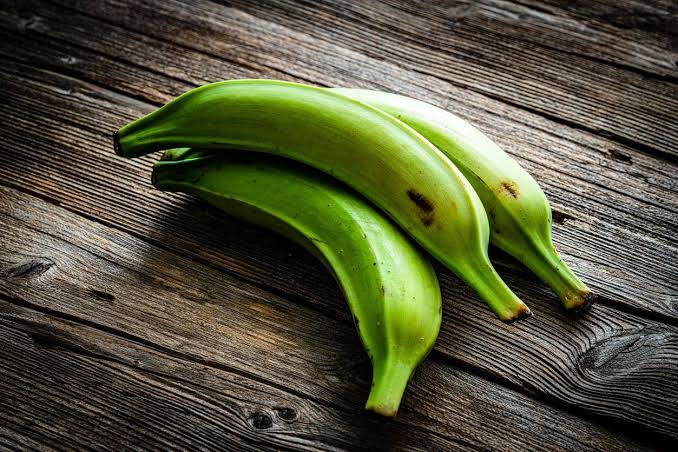
Unripe plantain is one of the most underrated staples in Nigerian households when it comes to healthy eating. While ripe plantains are sweeter and often enjoyed as a treat, they contain more sugar and can lead to quicker spikes in blood glucose levels. Unripe plantain, on the other hand, has a very different nutritional profile that makes it more suitable for individuals trying to manage their weight.
One of its most important components is resistant starch, a type of carbohydrate that behaves similarly to fibre in the body. This means it is digested more slowly, helping to keep you fuller for a longer period of time. As a result, it reduces the urge to snack frequently between meals, which is one of the major challenges in weight management.
In practical terms, unripe plantain can be prepared in several healthy ways. Boiling it and pairing it with a light vegetable sauce creates a balanced meal that is both satisfying and nutritious. Roasting it, commonly known as boli, is another option, especially when combined with grilled fish or lean protein. What is important to avoid is deep frying, which adds unnecessary calories and reduces its health benefits.
Read more on: 7 African Countries Named After Historical Figures
Ofada Rice as a Better Alternative to Refined White Rice
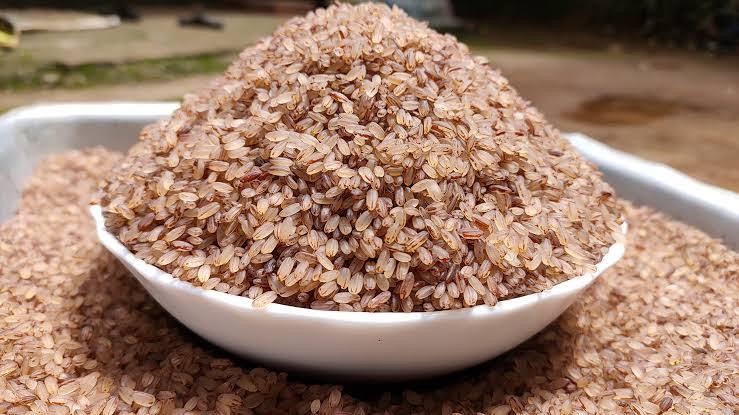
Rice is a staple in many Nigerian homes, but the type of rice consumed can make a significant difference in a weight loss journey. Ofada rice, also known as local unpolished rice, offers a much healthier alternative to the commonly consumed white rice.
Unlike white rice, which undergoes heavy processing that removes most of its fibre and nutrients, Ofada rice retains its natural bran and germ. This makes it richer in fibre, vitamins, and essential minerals. The presence of fibre slows down digestion, which helps prevent sudden hunger shortly after eating.
When consumed in moderation and paired with healthier sauces, Ofada rice can be part of a balanced diet. A good pairing is a well-prepared Ayamase sauce, which uses green peppers, onions, and a controlled amount of palm oil. The emphasis should always be on moderation, especially when it comes to oil content, to ensure the meal remains weight friendly.
Beans and Moi Moi as Powerful Plant Based Protein Sources

Beans have long been a core part of the Nigerian diet, and they remain one of the most effective foods for weight loss. Whether enjoyed as a simple porridge or prepared as Moi Moi, beans offer a combination of protein and fibre that supports both fullness and muscle maintenance.
Protein is particularly important during weight loss because it helps preserve lean muscle mass while the body sheds fat. Fibre, on the other hand, slows digestion and helps regulate appetite. Together, these nutrients make beans a very filling food that can reduce the likelihood of overeating.
Moi Moi, which is steamed rather than fried, is an especially healthy option. It retains the nutritional benefits of beans while avoiding the added fats associated with frying. To enhance its flavour without compromising its health value, ingredients such as onions, peppers, crayfish, and small amounts of palm oil can be used sparingly.
Read more on: 12 Common Daily Mistakes That Can Make You Look Older
Okra Soup as a Light and Low Calorie Meal Option
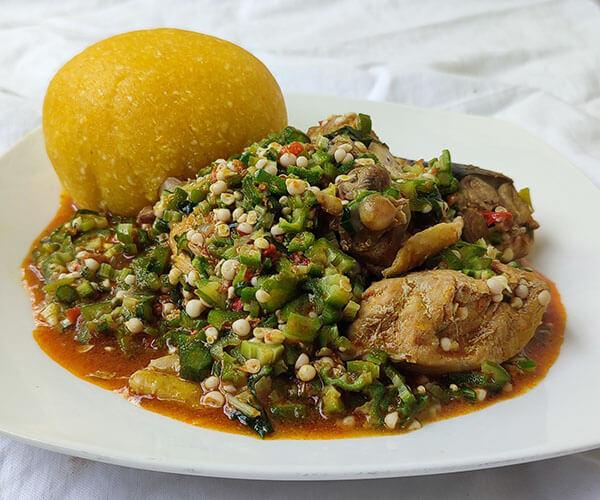
Okra soup is often considered one of the lightest traditional soups in Nigerian cuisine. It is naturally low in calories and contains a high water and fibre content, making it ideal for those trying to reduce their overall calorie intake while still enjoying satisfying meals.
One of the unique characteristics of okra is its slightly slimy texture, which many people enjoy as part of its culinary identity. This texture is also beneficial for digestion and may help support better gut health. Additionally, okra has been associated with cholesterol reduction, which adds to its health appeal.
A large bowl of okra soup can be quite filling without contributing excessive calories, especially when prepared with minimal oil. Adding lean proteins such as fish or small portions of meat can further enhance its nutritional value. The key is to keep oil usage low so that the soup remains light and healthy.
Garden Eggs as a Natural Appetite Control Snack
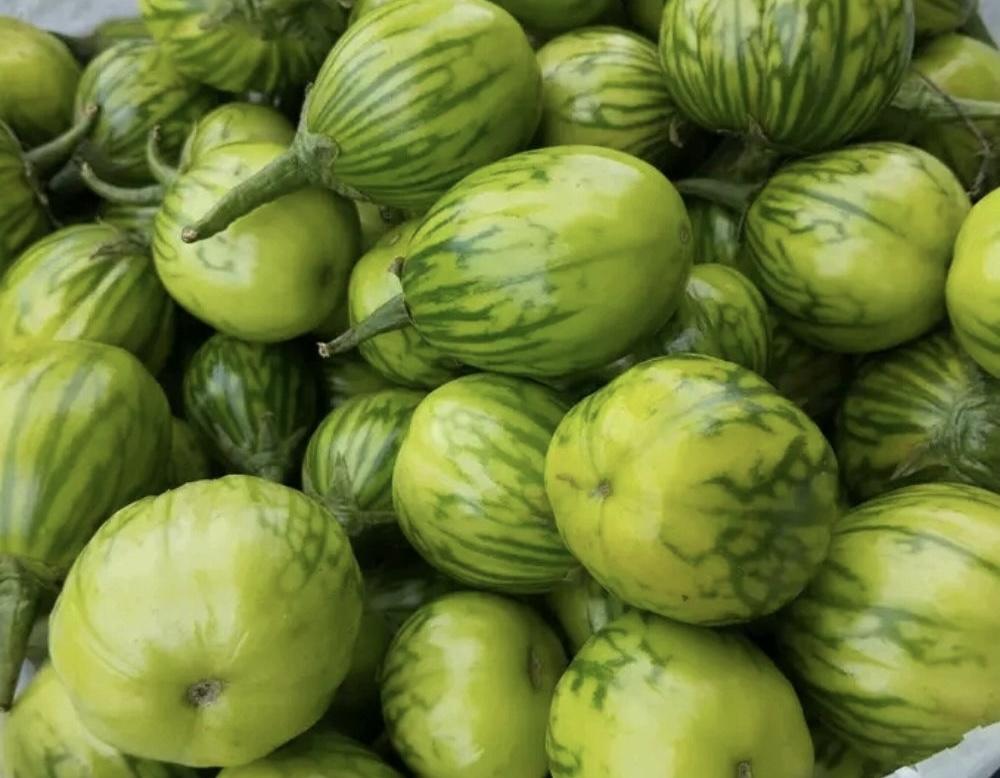
Garden eggs are often overlooked, yet they are one of the simplest and most effective snacks for individuals trying to manage their weight. They are low in calories, high in fibre, and can help reduce cravings between meals.
Because they are so light and filling, garden eggs can be eaten raw as a snack or incorporated into sauces and stews. In many traditional settings, they are already used in various dishes, but their potential as a healthy snacking alternative is often underestimated.
For individuals who struggle with unhealthy snacking habits, replacing processed snacks with garden eggs can make a noticeable difference over time. They provide a crunchy texture and mild taste that can help satisfy hunger without adding unnecessary calories.
Read more on: Early Warning Signs of Diabetes Many People Overlook
Pepper Soup as a Metabolism Friendly Meal
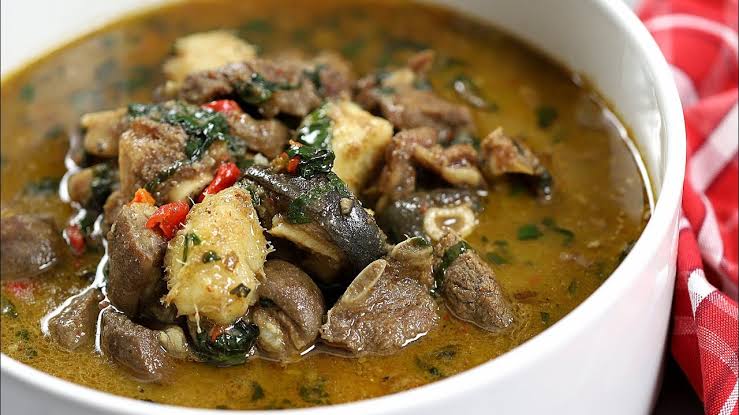
Pepper soup is widely enjoyed across Nigeria, especially during cold weather or as a comfort meal. Beyond its comforting nature, it also offers several health benefits that make it suitable for weight loss.
The spices used in pepper soup, including ingredients such as uda, efirin, and uziza, are known for their thermogenic properties. These spices may slightly increase the body’s metabolic rate, helping it burn calories more efficiently. While the effect is not extreme, it contributes positively when combined with a healthy lifestyle.
Because pepper soup is broth based, it is generally low in calories while still being filling. Choosing lean proteins such as fish, chicken, or goat meat ensures that the dish remains healthy. It is advisable to avoid excessive use of fatty cuts or organ meats if the goal is strict calorie control.
Leafy Green Soups as Nutrient Dense Low Calorie Meals
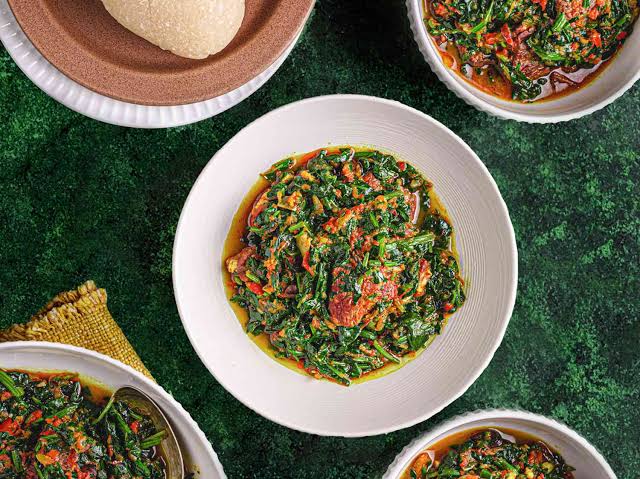
Nigerian vegetable soups such as Efo Riro, Afang, and soups made with Ugu leaves are among the most nutrient rich meals available in local cuisine. These leafy greens are packed with vitamins, iron, and antioxidants that support overall health.
One of their biggest advantages is that they allow for large portion sizes without excessive calorie intake. This means individuals can eat satisfying meals while still staying within their dietary goals.
However, the main concern with these soups often comes from the amount of oil used during preparation. Palm oil, while nutritious in moderation, can significantly increase calorie content when used excessively. Reducing oil usage and focusing more on vegetables and proteins helps keep these meals weight friendly while preserving their rich taste.
Read more on: Artemis II Astronauts Make Successful Return to Earth
Sweet Potatoes as a Healthier Carbohydrate Substitute
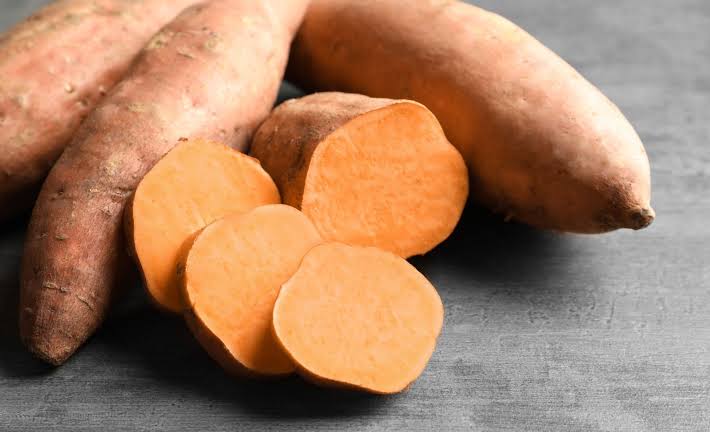
Sweet potatoes are an excellent alternative to more traditional heavy carbohydrates such as pounded yam or eba. They provide energy while having a lower glycemic index, which means they release sugar into the bloodstream more slowly.
This slow release helps maintain stable energy levels and reduces sudden hunger spikes. Sweet potatoes are also rich in vitamins, particularly vitamin A, and contain potassium, which supports overall body function.
They can be prepared by boiling or baking, preferably with the skin left on to retain additional fibre. When consumed in moderation, sweet potatoes can fit well into a balanced weight loss diet.
Understanding Portion Control as the Foundation of Healthy Eating
While the foods listed above are beneficial, it is important to understand that even healthy meals can contribute to weight gain if consumed in large quantities. Portion control remains one of the most important principles in any weight management plan.
A simple and practical approach often recommended by nutritionists is the plate method. This involves dividing meals into balanced sections where half of the plate consists of vegetables or soups, a quarter contains protein sources such as fish, chicken, or beans, and the remaining quarter is reserved for carbohydrates like rice, plantain, or sweet potatoes.
By following this structure, individuals can enjoy familiar Nigerian meals while maintaining a healthier balance of nutrients and calories.
Read more on: Lassa Fever Outbreak Spreads Across Nigeria
Conclusion: Embracing Healthy Eating Without Losing Cultural Identity
The idea that Nigerian food is incompatible with weight loss is increasingly being challenged. In reality, many local foods are naturally nutritious and can support healthy living when prepared thoughtfully. The focus should not be on restriction or abandoning cultural dishes, but on making informed choices about ingredients, cooking methods, and portion sizes.
By incorporating foods such as unripe plantain, beans, Ofada rice, okra soup, garden eggs, pepper soup, leafy vegetable soups, and sweet potatoes into daily meals, individuals can create a sustainable and enjoyable approach to weight management. This allows people to maintain their cultural connection to food while also prioritizing long term health and wellness.
Read more on: