A quiet Wednesday morning along the busy Benin–Auchi–Lokoja highway turned into one of sorrow and chaos after a fatal road crash occurred at Egono, near the Ewu community in Edo State. The incident, which involved a large truck carrying both goods and passengers, resulted in the death of 12 people and left 14 others injured, some critically. The crash has once again drawn attention to the dangerous practices on Nigerian highways and the recurring loss of lives on one of the country’s major transport corridors.
According to eyewitness accounts gathered from the scene, the truck was heading toward Benin City when the driver attempted what was described as a risky and improper overtaking maneuver. Witnesses said the vehicle was moving at a high speed and tried to bypass another vehicle on a section of the road that did not provide clear visibility or enough space for safe overtaking. In the process, the driver reportedly lost control of the truck.
The situation quickly escalated beyond control. The heavy vehicle veered off its lane, skidded violently across the asphalt, and eventually overturned onto its side. Because the truck was not only loaded with goods but also carrying a large number of passengers, the impact was devastating. Many of the passengers were trapped beneath the weight of the overturned vehicle and its cargo, making rescue efforts extremely difficult.
At the time of the accident, 37 people were said to be onboard. Emergency responders later confirmed that 12 of them lost their lives instantly or shortly after the crash due to the severity of their injuries. Fourteen others sustained varying degrees of injury, ranging from fractures and deep cuts to more serious trauma requiring urgent medical attention. Eleven passengers, in what many described as a miracle, managed to escape without major injuries despite the violent nature of the crash.
Read more on: Soldiers Strike in Borno Waterways, Destroy Boats and Kill Dozens of Terrorists
The scene that followed was described as harrowing by those who arrived shortly after the incident. Local residents, commercial drivers, and passersby rushed to assist before the arrival of official rescue teams. Some used rudimentary tools and bare hands in desperate attempts to pull victims from beneath the wreckage. The overturned truck, which had completely blocked part of the highway, created traffic gridlock while rescue operations were ongoing.
Officials from the Federal Road Safety Corps arrived later to take charge of the situation. Their personnel worked alongside local volunteers and medical responders to recover bodies and evacuate the injured to nearby hospitals. The operation was both delicate and urgent, as time was critical for those still trapped or injured.
By the end of the rescue efforts, the remains of 11 victims were taken to the mortuary of St. Lazarus Hospital in the area. One of the deceased was said to have been taken away by relatives and buried according to local customs shortly after confirmation of death, a practice that reflects cultural traditions in parts of the region where immediate burial is sometimes observed under tragic circumstances.
The injured victims were transported to nearby medical facilities where doctors and nurses began emergency treatment. Hospital sources indicated that some of the patients were in critical condition and required intensive care, while others were stable but traumatized by the incident. Families of the victims began gathering at the hospitals, many in tears, waiting anxiously for updates about their loved ones.
Read more on: Terrorists Attack Borno and Adamawa Border Communities
Investigation, FRSC findings, and growing safety concerns
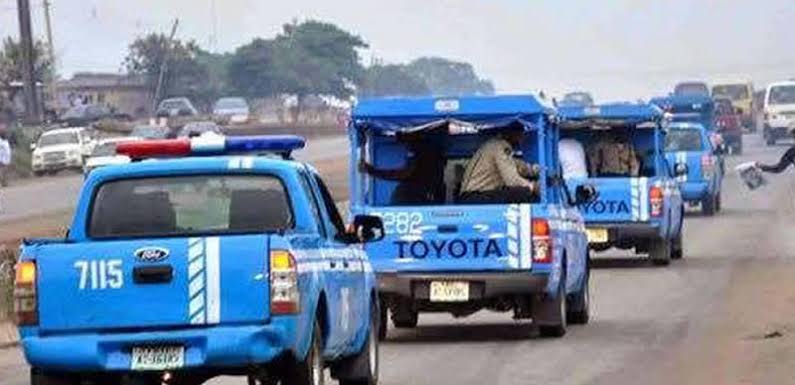
The Federal Road Safety Corps later confirmed details of the crash through its Edo State Command spokesperson, who identified dangerous overtaking as the primary cause of the accident. The spokesperson, Patricia Onwochei, explained that preliminary investigations indicated the driver of the truck engaged in a wrongful overtaking maneuver that led to the loss of control.
She stated that the vehicle involved was not only transporting goods but also carrying passengers, a practice that continues to raise serious safety concerns across Nigeria’s highways. According to her account, the combination of excessive speed, improper overtaking, and overloading created a highly dangerous situation that eventually resulted in the fatal crash.
The FRSC emphasized that such behavior is preventable and continues to be a major contributor to road fatalities in the country. Officials reiterated that commercial drivers are expected to obey traffic regulations, especially on highways known for heavy traffic flow and frequent long-distance travel. The agency also noted that the Benin–Auchi–Lokoja route has remained a high-risk corridor due to frequent speeding, overtaking violations, and poor compliance with safety rules.
Read more on: Iran Reportedly Launches Attacks on Ships in Hormuz Strait
In response to the tragedy, the Edo State government, under Governor Monday Okpebholo, reportedly expressed concern over the incident and commended the swift response of rescue teams and volunteers who worked at the scene. The governor’s office stressed the importance of caution among motorists and reiterated the need for stricter adherence to road safety regulations across the state.
Beyond official responses, the crash has reignited a broader national conversation about the continued use of cargo trucks for passenger transport. Despite repeated warnings from transport authorities, it remains common in some parts of Nigeria for people to board trucks meant for goods, particularly when seeking cheaper or more available travel options along long routes.
Road safety experts have consistently warned that such practices are extremely dangerous. Trucks are not designed with passenger safety in mind, lacking basic protective features such as seatbelts, reinforced seating, or emergency safety structures. In the event of a rollover or collision, passengers are exposed to direct impact, often resulting in mass casualties as seen in the Egono crash.
Transportation analysts also point out that overloading and mixed cargo-passenger transport increase the severity of accidents. When heavy goods are stacked alongside passengers, the risk of crushing injuries during a rollover becomes significantly higher. They argue that enforcement agencies must intensify monitoring and penalties to discourage such practices.
Read more on: Nigeria Reports Fresh COVID-19 Case Years After Pandemic
The Benin–Auchi–Lokoja highway itself has long been identified as one of the more dangerous road networks in the region due to its heavy use by commercial vehicles, narrow stretches in certain areas, and frequent driver violations. Residents and regular road users have repeatedly called for improved infrastructure, better signage, and stronger enforcement of speed limits and overtaking rules.
As the families of the victims begin the painful process of mourning, the tragedy at Egono stands as another painful reminder of the fragility of life on Nigerian roads. Each loss adds to a growing list of preventable accidents that continue to claim lives across the country.
Many are now asking whether stronger enforcement, better education for drivers, and stricter bans on passenger transport in haulage vehicles could have prevented this disaster. While investigations are expected to continue, the immediate reality remains the grief of families, the recovery of survivors, and the urgent need to address a pattern that has become far too familiar on Nigerian highways.
Read more on:
- President Tinubu Ousts Finance Minister and 1 Other, Appoints New Replacements
- Former President Jonathan Responds After Atiku’s Criticism
- FG Slams 13-Count Treason Charges on Alleged Coup Plotters
- APC Unveils 2027 Election Timetable, Reveals Costs for Presidential and Governorship Forms
- Former Senator Set to Announce New Political Direction as ADC Crisis Deepens