Across much of the world, political leadership has become increasingly fluid. Elections come and go, administrations rise and fall, and even long-established governments now face constant pressure from digital activism, global scrutiny, and rapidly shifting public opinion. Yet in parts of Africa, a very different political reality continues to exist. Here, a small group of long-serving leaders remain firmly in control of their nations, holding power for decades in some cases longer than the majority of their populations have been alive.
As of 2026, the continent remains home to some of the longest-serving non-royal heads of state in modern history. These leaders have governed through eras of enormous global transformation. They were already in office when the Cold War ended, when the internet was still in its infancy, and when mobile phones were rare luxury items rather than everyday essentials. Today, they preside over societies that are younger, more connected, and more impatient than ever before.
Africa’s median age sits around 19, making it the youngest continent on earth. This generational gap between rulers and the ruled has become one of the defining political and cultural conversations of the modern era. In many ways, it is not just a question of governance anymore, but also of lifestyle, identity, and how power is experienced across generations.
Read more on: Beyond the Name: How “Eko” Became “Lagos” — A Journey Through Time
Teodoro Obiang Nguema Mbasogo — Equatorial Guinea (In Power Since 1979, 47 Years)
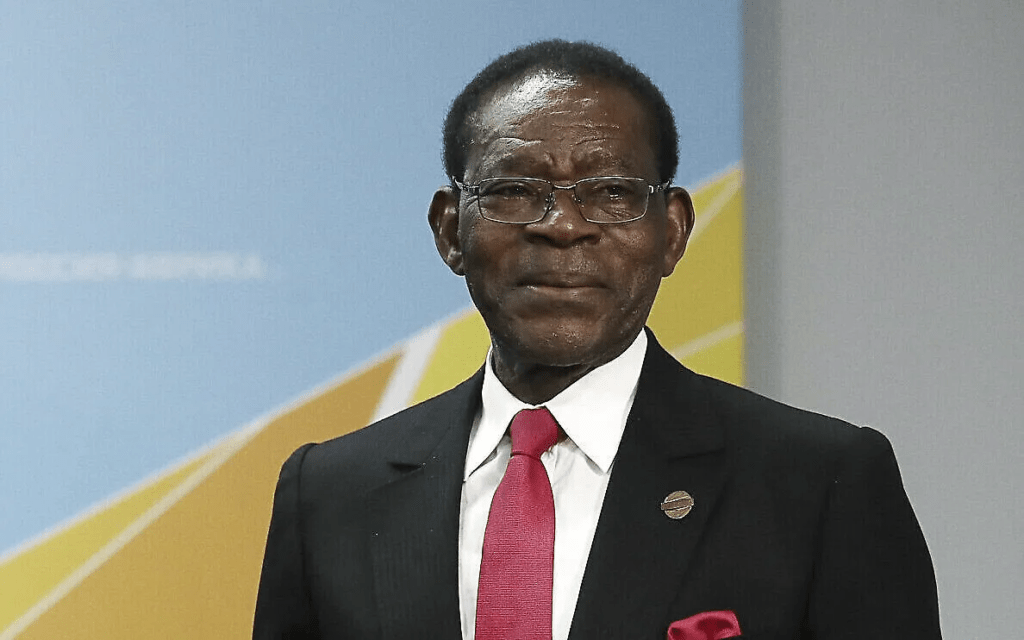
Teodoro Obiang Nguema Mbasogo stands as the longest-serving non-royal leader in the world. His rise to power dates back to 1979, when he came to office following a military takeover. Nearly half a century later, he remains at the helm of Equatorial Guinea, a country that has undergone dramatic economic transformation during his tenure.
The discovery of oil in the 1990s changed the country’s economic profile almost overnight, turning it into one of Sub-Saharan Africa’s most resource-rich states on paper. Under Obiang’s long rule, the nation has developed a striking contrast between visible wealth and widespread inequality. On one side, the ruling elite and close associates of the government are often associated with a highly luxurious lifestyle shaped by oil revenues. On the other, international observers and rights organizations frequently point to the persistent gap in living standards experienced by much of the population.
Obiang’s long stay in power has made him a central figure in discussions about governance longevity in Africa. For supporters, his leadership represents continuity and stability in a region that has often experienced political volatility. For critics, it raises questions about institutional renewal and accountability in systems where leadership rarely changes.
Read more on:8 Nigerian Foods That Can Help You Lose Weight Naturally
Paul Biya — Cameroon (In Power Since 1982, 44 Years)
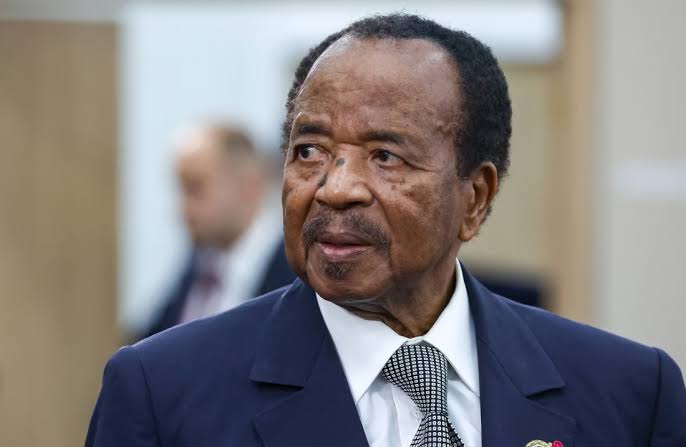
Paul Biya is currently one of the most recognizable examples of political endurance on the continent. Having assumed office in 1982, he has remained Cameroon’s president for more than four decades. At approximately 93 years of age, he is also the oldest sitting head of state in the world.
Biya’s leadership style has often been described as distant and highly centralized. Over the years, he has developed a reputation for long periods of absence from the public eye, frequently spending extended time abroad, particularly in Switzerland. These absences have become a recurring subject of public debate within Cameroon, where questions about visibility and active governance regularly surface in political discourse.
Despite this, his administration has maintained control over a country marked by complex linguistic and regional divisions. One of the most persistent challenges during his tenure has been the Anglophone crisis, a long-running conflict rooted in historical and cultural tensions between different parts of the country.
Biya’s political lifestyle has come to symbolize a broader conversation about leadership in aging governments. In an era defined by constant communication and digital transparency, his approach stands in contrast to the expectations of younger generations who are used to immediate access and real-time accountability.
Read more on: Meet Nigeria’s First Space Traveler, Chief Owolabi Salis
Denis Sassou Nguesso — Republic of the Congo (In Power Since 1979, with a break from 1992–1997, Over 40 Years Total)
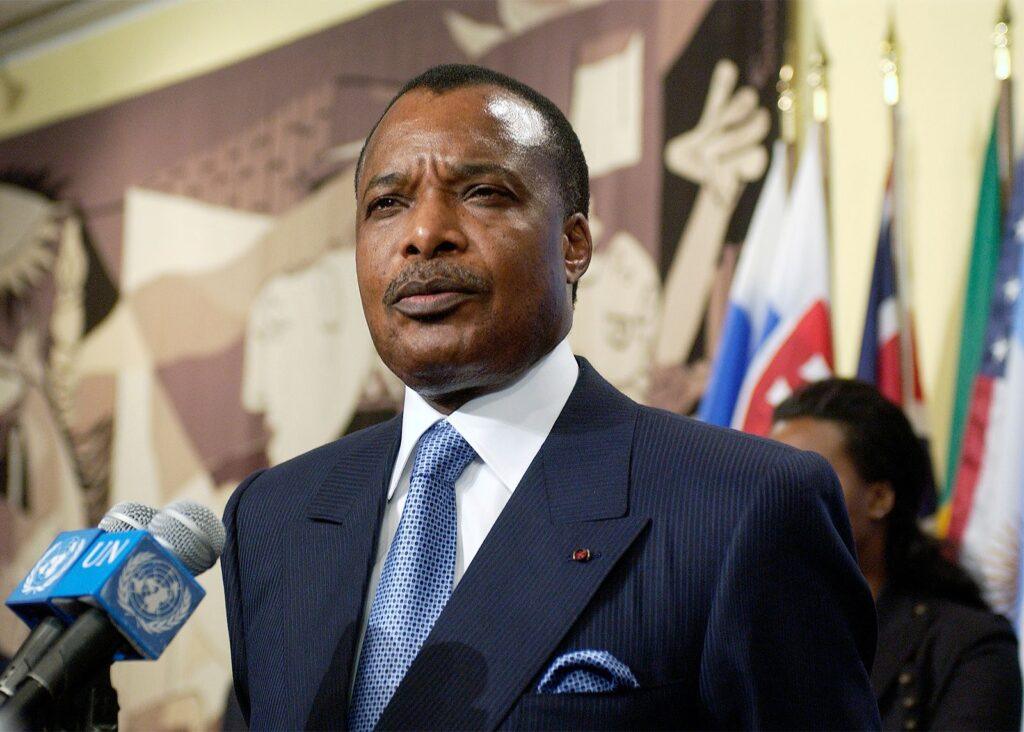
Denis Sassou Nguesso has held power in the Republic of the Congo across two separate periods, first taking office in 1979 and returning again in 1997 after a brief interruption in the 1990s. Combined, his time in leadership exceeds four decades, making him one of the most enduring political figures in Central Africa.
His political career has been marked by cycles of stability, conflict, and contested elections. In recent years, his continued leadership has often been accompanied by criticism from opposition groups, particularly during electoral periods. Reports of restricted political activity and limited access to digital communication during elections have fueled ongoing debates about transparency and democratic participation.
In March 2026, his continued hold on power was once again confirmed following an election cycle that opposition groups largely boycotted. These events have further reinforced his position as one of the region’s most entrenched leaders, while also intensifying discussions about political competition and civic space in the country.
Read more on: 7 African Countries Named After Historical Figures
Yoweri Museveni — Uganda (In Power Since 1986, Nearly 40 Years)
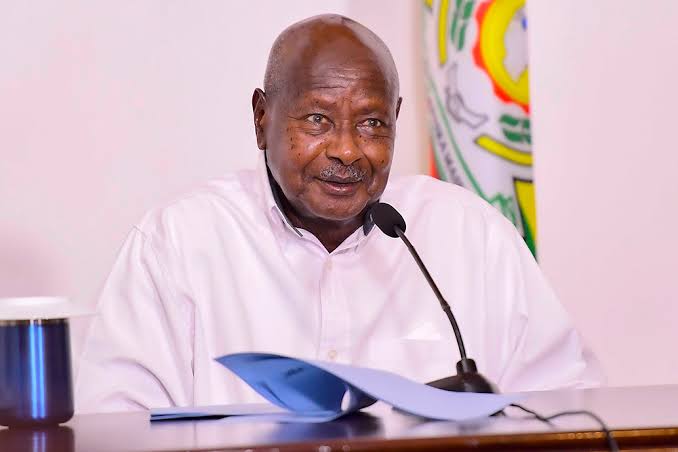
Yoweri Museveni has led Uganda since 1986, making him one of Africa’s longest-serving leaders still in active office. Over the decades, he has positioned himself as both a revolutionary figure and a stabilizing force in Ugandan politics.
Museveni has often embraced the image of a traditional elder statesman, occasionally referring to himself in cultural terms that emphasize experience and guardianship. His leadership has spanned major regional changes, economic reforms, and shifts in global alliances. At the same time, his long tenure has raised questions about political succession and the evolving nature of democratic transitions in Uganda.
His most recent election victory in early 2026 extended his rule further, reinforcing his status as a central figure in East African politics. Supporters often point to infrastructure development and national stability as key achievements, while critics highlight the concentration of political power over time.
Read more on: 12 Common Daily Mistakes That Can Make You Look Older
Isaias Afwerki — Eritrea (In Power Since 1991, Over 30 Years)
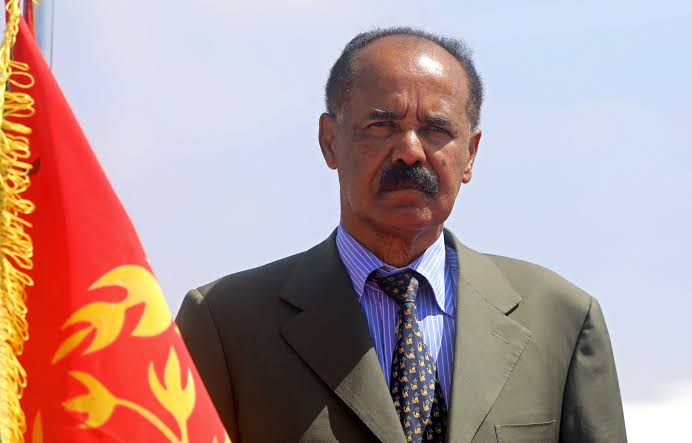
Isaias Afwerki has been Eritrea’s leader since the country gained independence in 1991. His rule has been defined by a highly centralized political structure and a governance model that remains one of the most closed in the world.
Eritrea’s political system is often described as highly disciplined and tightly controlled, with limited political pluralism. Afwerki’s leadership style reflects a strong emphasis on state control and national cohesion, shaped by the country’s history of independence struggle.
Over the years, Eritrea has maintained a unique position in African politics, often operating with limited external engagement compared to its regional neighbors. Afwerki’s long tenure continues to be a subject of global discussion, particularly in relation to governance structure and civic freedoms.
Read more on: Early Warning Signs of Diabetes Many People Overlook
A Growing Generational Divide
As these veteran leaders continue to shape national policies, a very different demographic reality is emerging beneath them. Across Africa, the majority of citizens are young, digitally connected, and increasingly engaged in political conversation through online platforms.
This generational divide has become more visible in recent years. Younger populations often express their political expectations through social media, digital activism, and informal networks that operate outside traditional state structures. In contrast, many long-serving governments still rely heavily on established institutions, state broadcasters, and conventional communication channels.
The gap between these two worlds has created a broader conversation about governance styles, leadership renewal, and political adaptation in a rapidly changing environment.
Health and succession have also become recurring themes in public discussion. In several countries, even minor appearances or absences by long-serving leaders can trigger widespread speculation online. This reflects not only concern about leadership continuity but also the growing role of digital platforms in shaping political narratives.
Read more on: Artemis II Astronauts Make Successful Return to Earth
Africa’s Longest-Serving Leaders in 2026
Teodoro Obiang Nguema Mbasogo — Equatorial Guinea (1979)
Paul Biya — Cameroon (1982)
Yoweri Museveni — Uganda (1986)
Isaias Afwerki — Eritrea (1991)
Denis Sassou Nguesso — Republic of the Congo (1997, with interruption)
A Continent at a Turning Point
The continued presence of these long-serving leaders raises broader questions about political evolution in Africa. For some observers, their extended tenure represents stability in regions that have historically experienced conflict or rapid governmental change. For others, it highlights the urgent need for institutional renewal and generational transition.
As Africa moves deeper into the mid-2020s, the contrast between aging leadership and a youthful population is becoming more pronounced. This tension is not only political but also cultural, shaping how governance is perceived and discussed in everyday life.
Ultimately, the question is not simply about how long these leaders have remained in power, but what their legacy will mean for a continent that is increasingly defined by its youth, its connectivity, and its demand for change.
Read more on: