Every year, the arrival of the rainy season brings a welcome change across many parts of Nigeria. The scorching heat of the dry months begins to ease, the air becomes cooler, and the landscape takes on a fresher, greener appearance. For many people, it is a season associated with comfort, relief, and renewal.
However, alongside these benefits comes a less pleasant reality. The same rains that cool the environment also create conditions that allow certain diseases to spread more easily. Flooded streets, stagnant water, overflowing gutters, and increased humidity all combine to form an environment where bacteria, viruses, and mosquitoes thrive. As a result, hospitals and clinics often report a rise in seasonal illnesses during this period.
In 2026, health professionals have already begun to observe an increase in cases linked to rainfall-related conditions. While this pattern is not new, it continues to affect households every year, especially in urban areas where drainage systems are often overwhelmed by heavy downpours. Understanding these illnesses and knowing how to prevent them is one of the most effective ways to stay healthy throughout the season.
Below is a detailed look at six of the most common rainy season illnesses, their symptoms, and practical steps individuals and families can take to reduce their risk.
Read more on: Africa’s Veteran Rulers: Leaders Who Have Stayed in Power for Generations
Malaria: The Most Persistent Rainy Season Illness
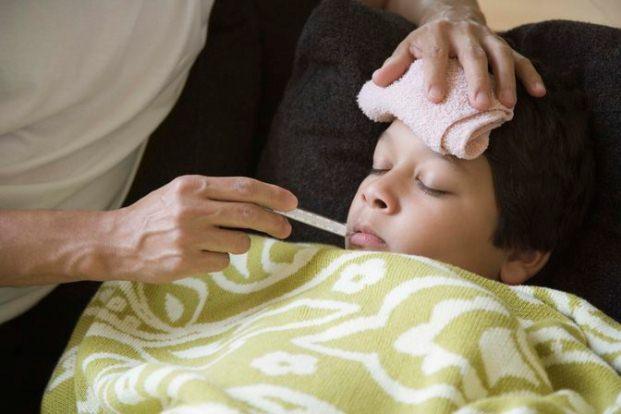
Malaria remains one of the most widespread health challenges in Nigeria, and its prevalence increases significantly during the rainy season. The reason is simple: stagnant water created by rainfall provides ideal breeding grounds for mosquitoes, particularly the Anopheles species responsible for transmitting the malaria parasite.
During this period, even small amounts of standing water found in buckets, old tyres, blocked gutters, or flower pots can become mosquito breeding sites. As mosquito populations rise, so does the risk of infection.
The symptoms of malaria often begin with high fever, chills, body weakness, headaches, and general fatigue. In many cases, it can be mistaken for other illnesses at the early stage, which sometimes delays treatment.
Prevention malaria requires consistent environmental and personal habits. Sleeping under insecticide-treated mosquito nets remains one of the most effective protective measures, especially at night when mosquitoes are most active. It is also important to regularly clear stagnant water around homes and ensure proper drainage in residential areas. Using mosquito repellents during early morning and evening hours adds another layer of protection, particularly in regions where mosquito activity is high.
Read more on: Beyond the Name: How “Eko” Became “Lagos” — A Journey Through Time
Cholera: A Serious Waterborne Risk
Cholera is another major concern during periods of heavy rainfall. This illness spreads through the consumption of contaminated food or water, often as a result of flooding that mixes sewage with clean water sources.
When drainage systems overflow, drinking water supplies can become contaminated without visible warning signs. This makes cholera especially dangerous in densely populated areas or communities with limited access to clean water infrastructure.
The symptoms typically include sudden and severe watery diarrhea, vomiting, and rapid dehydration. If not treated quickly, cholera can become life-threatening within a short period due to fluid loss.
Prevention begins with safe water practices. Boiling drinking water is highly recommended when there is any doubt about its purity. Maintaining strict hand hygiene is also essential, particularly before eating and after using the restroom. Food safety plays a major role as well. During heavy rains, it is advisable to be cautious with street food or raw vegetables unless their preparation hygiene can be verified.
Read more on:8 Nigerian Foods That Can Help You Lose Weight Naturally
Influenza and Common Cold: Seasonal Viral Infections
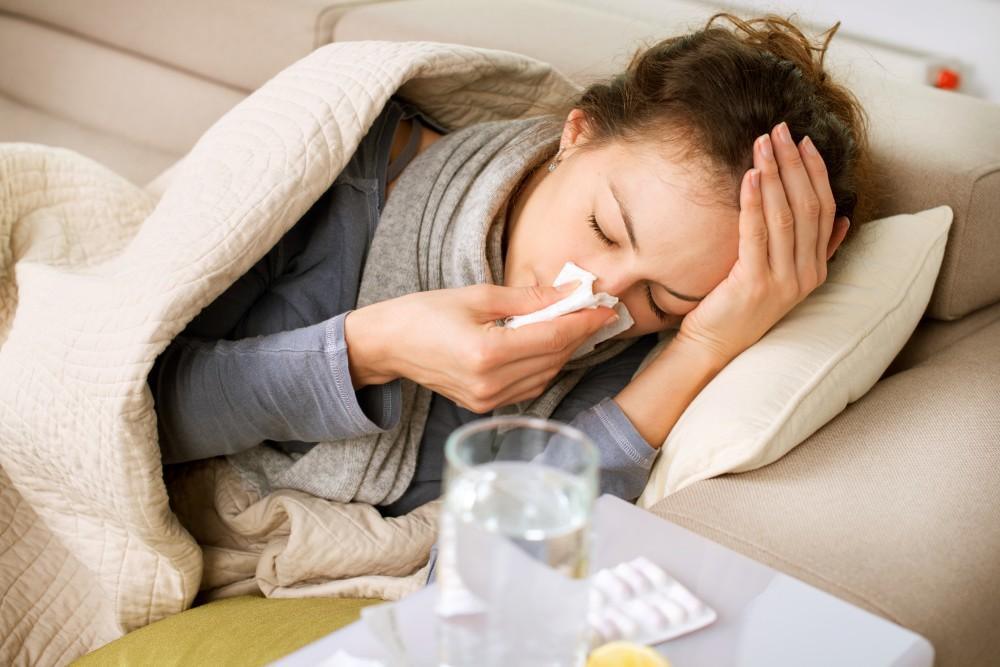
The rainy season also brings a rise in viral infections such as influenza and the common cold. Sudden temperature changes, wet clothing, and prolonged exposure to rain can weaken the body’s natural defenses, making it easier for viruses to spread.
Symptoms usually include runny nose, sore throat, coughing, mild fever, and general fatigue. While these conditions are often not severe, they can become uncomfortable and disruptive, especially when combined with other seasonal stressors.
Preventing these infections often comes down to simple lifestyle habits. Staying dry after getting caught in the rain is important, as remaining in wet clothes for too long can lower body temperature and weaken immunity. Taking a warm bath and changing into dry clothing helps the body recover quickly.
Nutritional support also plays a role. Foods rich in vitamin C, such as oranges, lemons, and other citrus fruits, can help strengthen the immune system. Warm herbal drinks, including ginger tea, are also commonly used to support overall wellness during colder weather. Good hygiene practices, such as using disposable tissues instead of shared cloth handkerchiefs, can also help reduce the spread of infection.
Read more on: Meet Nigeria’s First Space Traveler, Chief Owolabi Salis
Typhoid Fever: A Persistent Sanitation-Related Illness

Typhoid fever is a bacterial infection caused by Salmonella Typhi, and it spreads primarily through contaminated food and water. Like cholera, it becomes more common during the rainy season when sanitation systems are under pressure.
One of the challenges with typhoid is that its early symptoms can resemble those of malaria or flu, leading to misdiagnosis. Symptoms often include prolonged fever, abdominal pain, weakness, and loss of appetite.
Preventing typhoid requires strict attention to hygiene and food safety. Drinking only treated or properly boiled water is essential. Meals should be thoroughly cooked and served hot, as bacteria are less likely to survive in high temperatures. Handwashing remains one of the simplest yet most effective preventive measures.
Vaccination is also available in many regions and can provide additional protection for individuals living in high-risk areas or those frequently exposed to potentially contaminated environments.
Read more on: 7 African Countries Named After Historical Figures
Fungal Skin Infections: The Effect of Constant Dampness
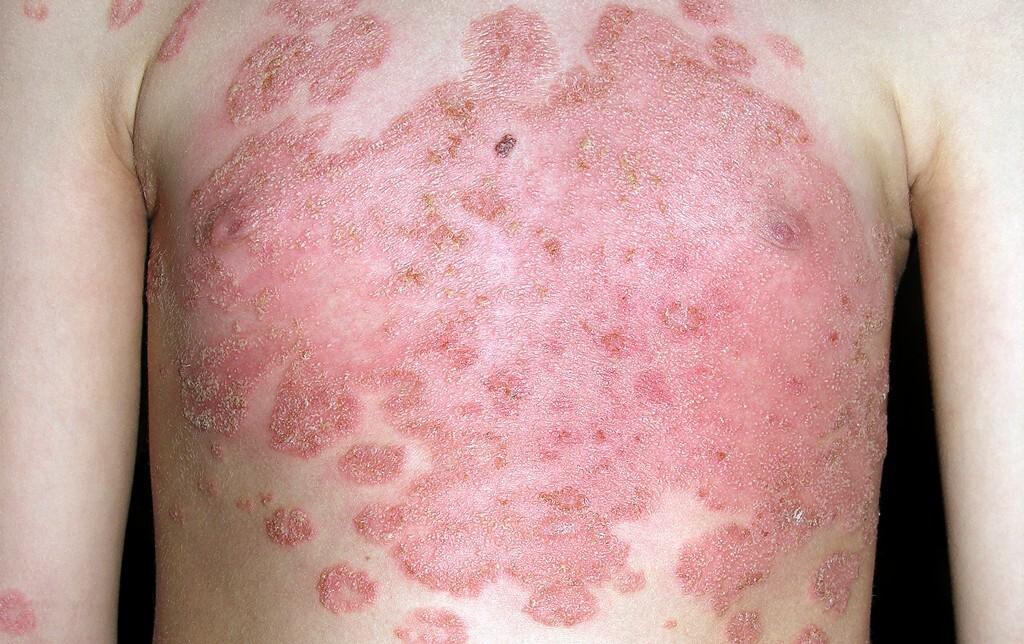
The rainy season creates consistently damp conditions, which can encourage the growth of fungi on the skin. People who walk through wet environments or wear damp clothing for long periods are particularly at risk.
Fungal infections often appear between the toes, in skin folds, or in areas where moisture tends to accumulate. Common symptoms include itching, redness, peeling skin, and irritation.
Prevention focuses on keeping the skin as dry as possible. After exposure to rain, it is important to dry the body thoroughly, especially the feet. Wearing wet shoes or socks for extended periods should be avoided. Using antifungal powders in footwear can also help reduce the risk of infection. Choosing breathable clothing materials that dry quickly is another practical step during this season.
Read more on: 12 Common Daily Mistakes That Can Make You Look Older
Leptospirosis: A Hidden but Dangerous Threat
Leptospirosis is a lesser-known but potentially serious bacterial infection that spreads through contact with water contaminated by the urine of infected animals, particularly rats. During heavy rains and flooding, these bacteria can spread into streets, homes, and drainage systems.
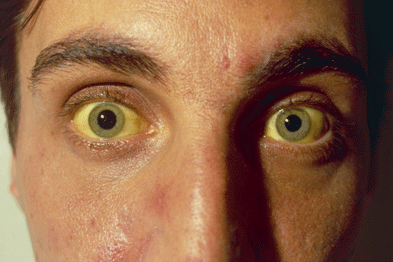
The infection can enter the body through cuts in the skin or through contact with the eyes, nose, or mouth. Symptoms may include high fever, severe headaches, muscle pain, and in severe cases, jaundice, which causes yellowing of the eyes and skin.
Preventing leptospirosis requires avoiding direct contact with floodwater whenever possible. Walking barefoot through puddles or flooded streets significantly increases risk. Wearing protective footwear such as rubber boots is strongly recommended in flood-prone areas. Any open wounds should be properly covered before going outside, and hygiene after exposure to floodwater is essential.
Read more on: Early Warning Signs of Diabetes Many People Overlook
Staying Safe Throughout the Season
Although the rainy season brings certain health risks, it is still a time that can be enjoyed safely with the right precautions. Most of these illnesses are preventable through simple but consistent habits, particularly those related to hygiene, cleanliness, and environmental awareness.
Keeping surroundings clean and free from stagnant water reduces mosquito breeding. Drinking safe water and ensuring proper food preparation minimizes exposure to harmful bacteria. Staying dry and maintaining personal hygiene helps protect against viral and fungal infections. These steps, when practiced regularly, significantly reduce the chances of falling ill during the rainy months.
Read more on: Artemis II Astronauts Make Successful Return to Earth
Final Thoughts
The rainy season does not have to be a period of illness and discomfort. With awareness and preventive action, individuals and families can enjoy the cooler weather while staying healthy. Simple lifestyle choices such as boiling drinking water, using mosquito nets, and avoiding floodwater exposure can make a meaningful difference.
As the rains continue across Nigeria in 2026, the focus for many households will be balance, enjoying the refreshing change in weather while remaining alert to the health risks it can bring.
The question many people now ask is not whether the rains will bring disease, but whether they are prepared enough to prevent it.
Read more on: