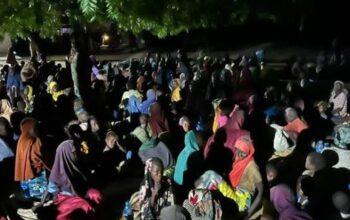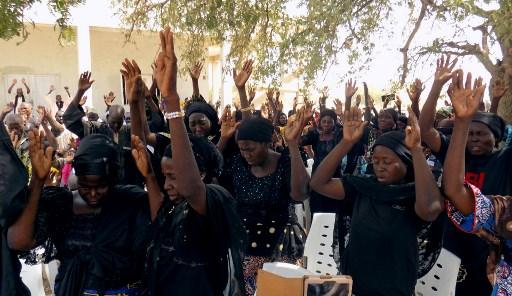
Twelve years have gone by since one of the most shocking incidents in Nigeria’s modern history unfolded in the quiet town of Chibok, Borno State. On that fateful night in April 2014, 276 schoolgirls were taken from their dormitories at the Government Girls Secondary School by insurgents. The incident quickly grew into a global symbol of injustice, sparking outrage and an unprecedented wave of solidarity across continents.
The hashtag BringBackOurGirls became a rallying cry that echoed in capitals around the world. Influential figures, including presidents, global organizations, and celebrities, lent their voices to the demand for the safe return of the girls. For a time, it seemed as though the entire world was united in a shared mission.
Today, however, the atmosphere feels very different. As the twelfth anniversary of the abduction is marked, there is a noticeable decline in global attention. The intense spotlight that once shone on Chibok has dimmed significantly. While the memory of the tragedy may linger in public consciousness, the urgency that once drove action appears to have faded.
For the families of the girls who have not yet returned, this shift is deeply painful. Out of the 276 abducted, 87 are still missing. For their parents and loved ones, the nightmare did not end with the passing of time. Instead, it has stretched into a prolonged period of uncertainty that continues to define their lives.
In a heartfelt open letter and a series of statements released on April 13, the Parents of the Still Missing Chibok Girls, together with the Murtala Muhammed Foundation, issued a strong appeal to both national and international audiences. Their message was clear and urgent. They warned that the world appears to be moving on, even though their daughters are still unaccounted for.
Read more on: Pope Leo XIV Breaks Silence, Challenges Trump Over Foreign Policy Dispute
A Pain That Time Has Not Healed
For many people outside the affected community, the Chibok abduction may feel like a distant event. For the families, however, it remains an ongoing reality. In their joint statement, signed by Yana Galang and Zanna Lawan, the parents rejected the idea that their suffering belongs to the past.
They emphasized that the passage of time has done little to ease their pain. Instead, it has intensified the emotional burden they carry. The uncertainty surrounding the fate of their daughters continues to weigh heavily on them, creating a form of distress that is difficult to describe.
Unlike situations where families receive confirmation of loss and are able to grieve, the parents of the missing girls remain caught in a state of limbo. They live each day without answers, unsure whether to hold on to hope or prepare for the worst.
This uncertainty, they explained, is often more painful than knowing the truth, no matter how difficult that truth might be. The absence of closure has turned their lives into a continuous cycle of waiting and wondering.
One mother, identified simply as Ruth, shared a deeply emotional account of her experience. Two of her daughters were among those abducted, and neither has been found. She described how she prays constantly for clarity, asking to see her children again if they are alive, or at least to know if they are no longer living.
Her words capture the emotional reality faced by many families. Each day begins and ends with unanswered questions. Each passing year adds to the weight of uncertainty.
Read more on: Commanding Officer and Six Troops Killed in Borno
From Global Priority to Growing Silence
The Murtala Muhammed Foundation, which has been at the forefront of advocacy efforts for the Chibok girls, expressed serious concern about what it sees as a decline in attention and accountability.
Dr. Aisha Muhammed Oyebode, the Chief Executive Officer of the foundation, described the current situation in stark terms. According to her, the Chibok case is at risk of becoming a symbol not just of tragedy, but of neglect.
She noted that in the years immediately following the abduction, there was significant pressure on authorities to act. Updates were more frequent, and there was a sense of urgency surrounding rescue efforts. Over time, however, that momentum appears to have slowed.
One of the key concerns raised by the foundation is the lack of recent progress. There has been no confirmed recovery of any of the remaining girls in the past year. This stagnation raises questions about whether sufficient resources and attention are being directed toward the search.
The foundation also pointed to a decline in transparency. Information about military operations, negotiations, and other efforts related to the rescue of the girls has become less accessible. This lack of communication has left families feeling excluded and uncertain about what is being done on their behalf.
Another major concern is the broader security landscape in northern Nigeria. The Chibok abduction was once seen as an isolated and shocking event. In the years since, however, similar incidents have occurred across the region. Large-scale kidnappings of students have been reported in multiple states, suggesting that the tactics used in Chibok have been repeated.
Despite this pattern, the original victims remain missing, and their case appears to have lost the prominence it once held. For advocates, this raises difficult questions about priorities and long-term commitment.
Read more on: NDLEA Nabs 93-Year-Old Man, Doctor in Shocking Nationwide Drug Crackdown
The Heavy Toll on Families
The impact of the Chibok abduction extends far beyond emotional suffering. Over the past twelve years, the stress and trauma experienced by the families have taken a serious physical toll.
According to reports from the Chibok community, at least 37 parents of the abducted girls have died since 2014 without seeing their daughters return. Many of these deaths have been linked to stress-related health conditions, including hypertension and heart disease.
The prolonged anxiety of not knowing the fate of their children has contributed to a decline in health for many parents. The emotional strain has proven to be not just mentally exhausting but physically damaging as well.
Within the community, the sense of loss is profound. Each anniversary serves as a reminder not only of the girls who are still missing but also of the parents who passed away while waiting for answers. The collective grief has become a defining feature of life in Chibok.

The Struggles of Those Who Returned
While some of the abducted girls have been rescued or have managed to escape, their return has not always been the end of their challenges. Many of them face significant difficulties as they attempt to reintegrate into society.
Findings from the United Nations Committee on the Elimination of Discrimination against Women highlight several of these challenges. One of the most pressing issues is stigmatization. Some of the girls have been rejected or treated differently by their communities due to their experiences in captivity.
This is particularly true for those who returned with children. These children, born during captivity, often face prejudice, and their mothers are sometimes unfairly judged. This creates additional barriers to reintegration and recovery.
Another concern is the uneven distribution of support. While some of the returned girls have received educational opportunities and scholarships, others have not had access to the same level of assistance. This inconsistency leaves many struggling to rebuild their lives.
Psychosocial support is another area where gaps remain. The trauma experienced during captivity can have long-lasting effects, and not all survivors have received the counseling and care they need.
The issue of forced motherhood adds another layer of complexity. Balancing the responsibilities of raising a child with the desire to continue education or pursue a career can be extremely challenging, especially in the absence of strong support systems.
Read more on: Borno State Governor Addresses Military Strike in Border Market
Renewed Calls for Action
As the twelfth anniversary is commemorated, the parents and the Murtala Muhammed Foundation are calling for renewed efforts to address the situation. They have outlined several key actions that they believe are necessary.
One of their primary demands is the appointment of a dedicated liaison officer. This individual would serve as a direct point of contact between the government and the families, ensuring that communication remains consistent and transparent.
They are also urging authorities to intensify search efforts. This includes a coordinated approach that combines military operations with intelligence gathering, specifically focused on locating the remaining girls.
In addition, they have called on the international community, particularly the United Nations, to re-engage with the issue. They stress that the protection of children and the right to education must remain central priorities.
A Question That Still Resonates
Twelve years after the abduction, the Chibok girls continue to represent both a painful chapter in Nigeria’s history and a test of collective responsibility. The global movement that once demanded action showed what can be achieved when people come together for a common cause.
Today, the challenge is to ensure that this cause is not forgotten. For the families who are still waiting, the passage of time does not reduce the urgency of their situation.
As commemorations take place in Chibok and Abuja, a simple but powerful question remains. If it were your daughter, would twelve years be enough reason to stop searching?
The answer, for those directly affected, is clear. The search must continue, and the voices calling for justice must not be silenced.
Read more on:
- Six-Day Ultimatum as Bandits Demand 700 Cattle and 1,000 Sheep from Residents
- Another Top Legislator Passes Away as Circumstances Unfold
- Atiku Criticizes Tinubu Over Nigeria and Kenya Fuel Price Comparison
- 16 Residents Killed as Security Forces Neutralize 110 Bandits in Niger State
- Court Sentences Former Senatorial Candidate