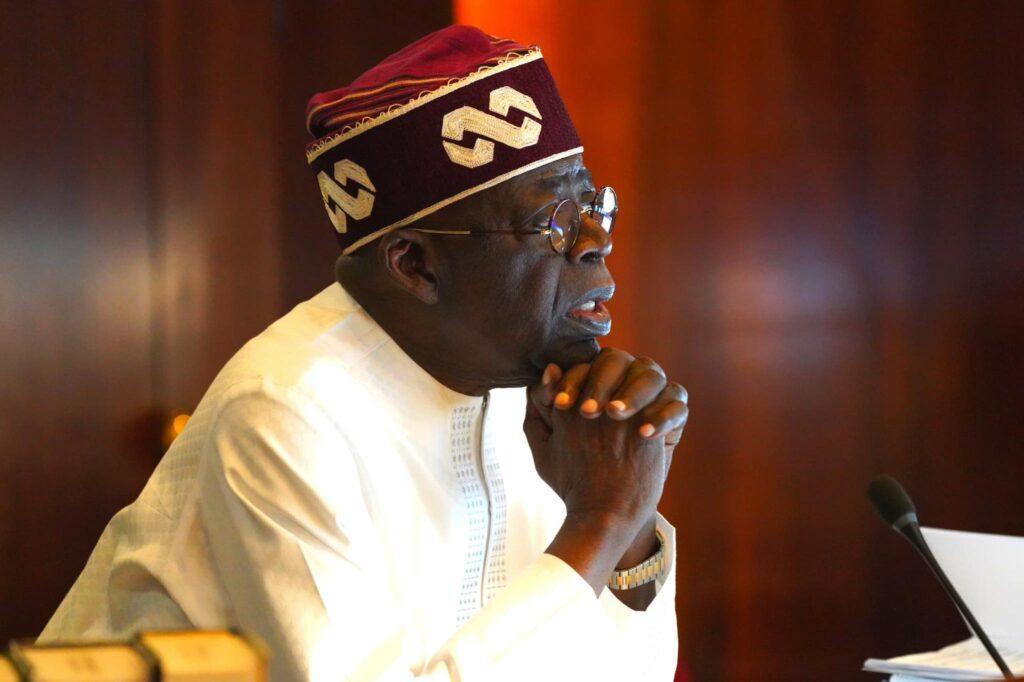
Nigeria has entered another critical moment in its long and difficult fight against insurgency, as President Bola Ahmed Tinubu signals a stronger and more aggressive military posture following recent deadly attacks in the North East. In a week marked by grief, reflection, and renewed determination, the President has made it clear that the country will not retreat in the face of terror. Instead, he has pledged to intensify operations and deploy the full strength of Nigeria’s security forces to confront insurgent groups operating across the region.
This renewed commitment comes in the aftermath of a deadly assault on a key military formation in Borno State, an incident that has once again highlighted both the resilience of Nigeria’s armed forces and the persistent threat posed by extremist groups such as Boko Haram and the Islamic State West Africa Province.
The Benisheikh Attack That Sparked a Shift
The latest escalation in rhetoric and strategy follows a coordinated attack that took place on Thursday, April 9, in Benisheikh, a town located along the Maiduguri Damaturu highway in Borno State. The target of the assault was the headquarters of the 29 Task Force Brigade, a critical military unit tasked with maintaining security in the area.
According to military accounts, insurgents launched a well planned midnight attack on the base in what has been described as an attempt to weaken military presence and morale. The attackers, believed to be fighters from Boko Haram and ISWAP, engaged troops in a fierce gun battle that lasted for hours.
Although the military ultimately succeeded in repelling the attack and preventing the insurgents from taking control of the base, the cost was significant. Among those killed was Brigadier General Oseni Omoh Braimah, the Brigade Commander, who reportedly died while actively leading his troops during the confrontation.
His death has been widely described as a symbol of bravery and sacrifice. Military sources indicated that the General remained at the forefront of the defense effort, coordinating operations and encouraging his men despite the intensity of the attack.
Several other soldiers also lost their lives in the battle, underscoring the dangers faced daily by personnel deployed in conflict zones. Despite these losses, the successful defense of the base prevented what could have been a far more devastating outcome, including the possible takeover of the facility and nearby civilian areas.
Read more on: Chibok Parents, Foundation Express Concern Over Fading Global Attention
Presidential Reaction and National Mourning
In response to the attack, President Tinubu addressed the nation from the State House, expressing deep sorrow over the loss of lives while also reaffirming his administration’s commitment to defeating insurgency.
He paid tribute to Brigadier General Braimah and the fallen soldiers, describing them as heroes whose sacrifices would not be forgotten. The President emphasized that their courage and dedication serve as a reminder of the price being paid to secure the nation.
According to him, the government remains fully committed to supporting the armed forces, both in terms of equipment and welfare. He assured Nigerians that efforts are ongoing to provide the military with the tools and resources needed to effectively carry out their duties.
The President’s message combined mourning with resolve. While acknowledging the pain caused by the loss of lives, he stressed that such incidents would only strengthen the country’s determination to confront and defeat terrorism.
A Clear Directive for Intensified Operations
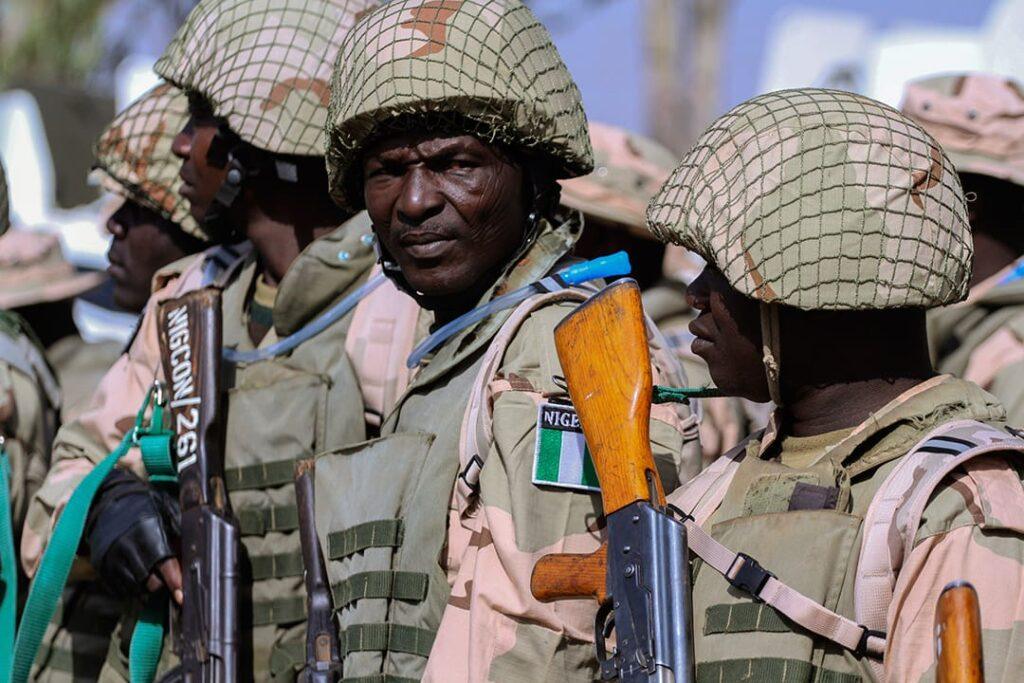
Beyond words of condolence, President Tinubu’s response included concrete directives aimed at strengthening Nigeria’s counterinsurgency strategy. According to officials at the State House, the President has instructed the Chief of Defence Staff and other service chiefs to step up operations across affected regions.
A major focus of this directive is the improvement of coordination between air and ground forces. By enhancing intelligence gathering and surveillance capabilities, the military aims to track insurgent movements more effectively and respond with precision.
The Lake Chad Basin and the Sambisa Forest, long regarded as strongholds for insurgent groups, are expected to remain key areas of focus. These regions have historically provided cover for militants, making them difficult to penetrate and secure.
Another important aspect of the new directive is the adoption of a firm stance against safe havens for terrorists. The President has made it clear that those responsible for attacks, including the Benisheikh incident and other recent assaults in states such as Niger, will be pursued relentlessly.
This approach reflects a shift toward a more aggressive strategy aimed at dismantling insurgent networks and preventing them from regrouping.
Read more on: Pope Leo XIV Breaks Silence, Challenges Trump Over Foreign Policy Dispute
Strengthening Military Capacity
As part of the renewed push, the federal government has reiterated its commitment to modernizing the military’s arsenal. This includes the procurement and deployment of advanced equipment designed to enhance both offensive and defensive capabilities.
Among the equipment highlighted are Mine Resistant Ambush Protected vehicles, commonly known as MRAPs. These vehicles are specifically designed to withstand improvised explosive devices and ambush attacks, which have been frequently used by insurgents.
In addition to ground equipment, there is also a focus on improving air support. Enhanced air to ground capabilities are expected to play a crucial role in targeting insurgent positions, particularly in difficult terrain where ground operations may be limited.
Officials believe that strengthening these capabilities will not only improve operational effectiveness but also reduce the risks faced by troops on the front lines.
The Human Cost of an Ongoing Conflict
While the government pushes forward with its strategy, the human cost of the conflict remains a significant concern. Reports indicate that more than 65 soldiers were killed within a two week period in March alone, highlighting the intensity of the fighting in the North East.
These losses have raised questions about the challenges facing the military, including the need for better protection, intelligence, and logistical support.
The impact of the conflict extends beyond the military. Civilians in affected areas continue to face displacement, loss of livelihoods, and the constant threat of violence. Communities in Borno, Yobe, and surrounding states have lived under these conditions for years, with many families forced to flee their homes in search of safety.
Read more on: Commanding Officer and Six Troops Killed in Borno
Controversy Surrounding Air Operations
The complexity of the military campaign was brought into focus again on April 13, when reports emerged of a controversial airstrike in Jilli Village, located in Yobe State.
According to the Nigerian Air Force, the operation targeted a suspected terrorist enclave based on intelligence reports. However, human rights organizations, including Amnesty International, alleged that the strike may have hit a local market, resulting in civilian casualties.
The incident has sparked debate about the challenges of conducting operations in areas where insurgents often operate close to civilian populations. It also highlights the difficulty of balancing the need for decisive action with the responsibility to protect innocent lives.
In response to the allegations, the Air Force has initiated a formal investigation to determine what happened. The outcome of this probe is expected to provide clarity and guide future operations.
The Role of Public Support
Amid these developments, President Tinubu has called on Nigerians to support the armed forces and avoid actions that could undermine morale. He warned against the spread of misinformation, particularly on social media, where unverified reports can quickly gain traction.
According to the President, inaccurate information about casualty figures or military operations can serve as a tool for insurgents, boosting their propaganda efforts and weakening public confidence.
He urged the media and the public to act responsibly and to recognize the sacrifices being made by soldiers on the front lines. Maintaining national unity, he said, is essential to achieving lasting success in the fight against terrorism.
Read more on: NDLEA Nabs 93-Year-Old Man, Doctor in Shocking Nationwide Drug Crackdown
A Nation at a Turning Point
As Nigeria responds to the Benisheikh attack, the country finds itself at a crucial juncture. The renewed focus on military action reflects a determination to address the persistent threat posed by insurgent groups.
At the same time, the challenges facing the nation are complex and multifaceted. The fight against terrorism is not only a military issue but also a social, economic, and political one.
The coming weeks and months will be critical in determining whether the current strategy can achieve its goals. Success will depend on effective coordination, adequate resources, and sustained commitment from all stakeholders.
Looking Ahead
For the soldiers of the 29 Task Force Brigade and the families of those who lost their lives, the events in Benisheikh represent both a tragedy and a turning point. The loss of Brigadier General Braimah and his men has added a new layer of urgency to the fight against insurgency.
As the military prepares for intensified operations, there is a sense that the conflict has entered a new phase. The government’s message is clear. There will be no safe haven for those who threaten the country’s security.
Whether this renewed effort will lead to lasting peace remains to be seen. What is certain, however, is that the stakes remain high, and the cost of failure is one the nation cannot afford.
Read more on:
- Borno State Governor Addresses Military Strike in Border Market
- Six-Day Ultimatum as Bandits Demand 700 Cattle and 1,000 Sheep from Residents
- Another Top Legislator Passes Away as Circumstances Unfold
- Atiku Criticizes Tinubu Over Nigeria and Kenya Fuel Price Comparison
- 16 Residents Killed as Security Forces Neutralize 110 Bandits in Niger State