A serious and fast spreading cholera outbreak is currently gripping Borno State in northeastern Nigeria, creating a major public health emergency across several communities. Health authorities and humanitarian partners have confirmed that the death toll has risen to 39, while the total number of recorded infections has surged to 4,204 cases. The situation continues to worsen as new infections are being reported daily, putting immense pressure on already overstretched health facilities.
The outbreak, which first emerged in early May, has expanded rapidly across both urban and rural areas. Medical teams on the ground report that the disease has now reached dozens of wards and more than a hundred communities, with transmission driven by poor sanitation conditions, limited access to clean water, and the impact of seasonal rainfall. In the last 24 hours alone, 274 new suspected cases were recorded, showing how quickly the infection is still spreading despite ongoing response efforts.
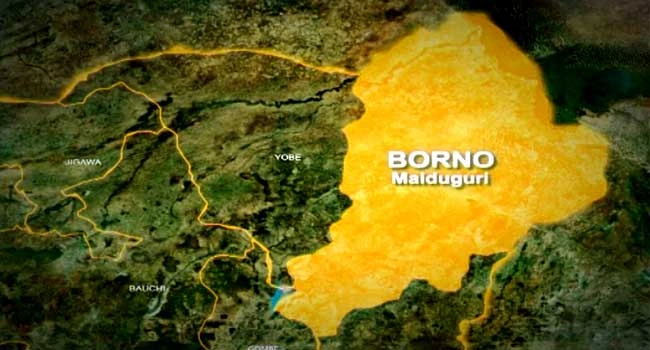
Maiduguri, the state capital, has become the epicentre of the crisis. Health officials report that more than half of all confirmed cases have been recorded within the city, where densely populated neighbourhoods and overstretched infrastructure have made containment extremely difficult. Jere Local Government Area is also heavily affected, while other surrounding areas such as Mafa, Konduga, Monguno, Kaga, Kwaya Kusar, Bama, Magumeri, and Ngala continue to report rising numbers of infections. The spread into border and displacement areas has raised additional concern among aid organisations, particularly because many internally displaced persons are living in crowded conditions with limited access to sanitation.
Read more on: Russia’s Massive Drone and Missile Attack on Ukraine Claims 21 Lives
According to health experts, the outbreak is being driven by a combination of environmental and infrastructural challenges. Contamination of water sources, including boreholes, pipe borne water, and local dams, has been identified as a major factor in the spread of Vibrio cholerae. This has been made worse by widespread open defecation in underserved communities, as well as the ongoing rainy season, which is washing waste materials and pollutants into residential water supplies and shallow wells. These conditions have created an environment where the disease can spread quickly and continuously.
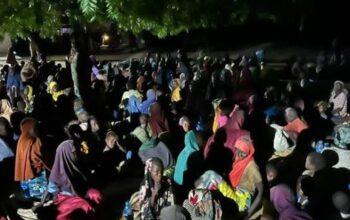
Hospitals and cholera treatment centres across Maiduguri are now under severe pressure as patient numbers continue to rise. At the Cholera Treatment Centre within the Abba Kyari General Hospital, medical personnel describe a situation of overcrowding and constant emergency admissions. Many of the patients arriving at the facility are already in critical condition, showing symptoms such as severe diarrhoea, vomiting, and rapid dehydration. Due to limited bed space, some patients are being treated on the floor as healthcare workers struggle to manage the increasing caseload.
Read more on: House of Reps Demands Urgent Action from FG over Mass School Abductions
Frontline medical staff say they are receiving dozens of new patients every day, with the situation becoming increasingly difficult to control. Families affected by the outbreak have also shared painful accounts of how quickly the illness progresses. In many cases, patients reportedly deteriorate within hours, especially when treatment is delayed. Some residents have described losing loved ones before they could even reach a medical facility, highlighting the speed and severity of the disease when left untreated.
Health officials also report that a significant number of deaths have occurred within communities before patients were able to access formal medical care. This has raised concerns about gaps in early treatment seeking behaviour, with experts noting that fear, misinformation, and financial concerns are preventing some residents from seeking help quickly. Medical professionals continue to stress that cholera is highly treatable when addressed early, particularly through oral rehydration therapy and intravenous fluids, but can become fatal in a very short time if ignored.
In response to the outbreak, both state authorities and international partners have stepped up intervention efforts. The state government, under Governor Babagana Zulum, has deployed emergency medical supplies to cholera treatment centres, ensuring that treatment remains free for all patients. Water, sanitation, and hygiene interventions are also being implemented, including the distribution of chlorine tablets, disinfectants, and other materials aimed at reducing contamination in affected communities.
Read more on: CAN Calls on Federal Government to Declare Emergency Over Rising Insecurity
International organisations such as the World Health Organization, UNICEF, and Médecins Sans Frontières are working alongside local health teams to manage treatment centres and support emergency response operations. Efforts are also underway to secure oral cholera vaccines for high risk communities in an attempt to contain further spread and build immunity among vulnerable populations.
Despite these interventions, health authorities have warned that medical response alone will not be enough to fully control the outbreak. Residents are being urged to take preventive measures seriously, including boiling or treating drinking water, maintaining strict hygiene practices, avoiding consumption of unsafe food and water, and reporting symptoms immediately to health workers. Officials emphasize that community participation is critical to stopping the chain of transmission.
As the situation continues to evolve, concern remains high that the outbreak could worsen if urgent sanitation improvements are not sustained. For now, emergency teams remain on alert, working around the clock to treat patients and prevent further loss of life in one of the region’s most severe cholera outbreaks in recent years.
Read more on: