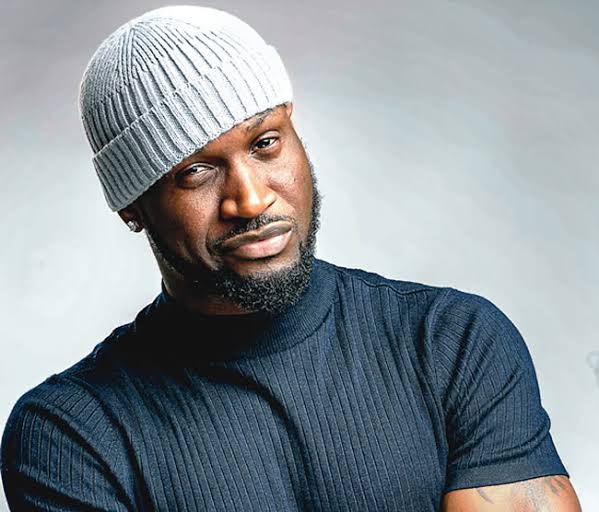
As Nigeria edges closer to the 2027 general elections, political conversations are once again becoming deeply intertwined with entertainment and social media influence. Public figures are increasingly weighing in on governance and electoral choices, and the latest voice to spark nationwide debate is Afrobeats star Peter Okoye, popularly known as Mr P of the former P Square duo.
The singer has come under the spotlight after openly criticizing the voting decisions of Nigerians while insisting that he has every right to judge those choices, especially when they, in his view, contribute to hardship across the country. His comments have triggered widespread reactions online, reigniting long standing arguments about democracy, voter responsibility, and the influence of celebrities in political discourse.
Peter Okoye’s Strong Position on Voting Choices
Peter Okoye, who has consistently expressed political opinions over the years, did not hold back in his latest remarks. He questioned the idea that voting decisions should be treated as entirely private matters that are beyond criticism or public scrutiny.
According to him, when electoral choices lead to widespread consequences such as economic hardship, rising inflation, unemployment, and poor governance, then those choices inevitably affect everyone, not just the individual voter. He argued that in such situations, it becomes difficult to separate personal preference from national impact.
He further maintained that citizens must begin to take greater responsibility for the long term consequences of the leaders they support at the polls. In his view, Nigeria cannot continue repeating cycles of poor leadership and expect different outcomes.
Mr P also emphasized the need for voters, particularly young Nigerians, to think beyond sentiment, ethnicity, and short term benefits when making political decisions. He warned that emotional or uninformed voting patterns often contribute to leadership failures that affect millions of people across the country.
Read more on: ‘There’s Too Much Injustice in Nigeria,’ – Skepta
Social Media Reaction Divides Nigerians
As soon as his comments surfaced online, they quickly gained traction and triggered a wave of mixed reactions across platforms such as X and Instagram. The discussion divided users into strongly opposing camps.
Supporters of Peter Okoye applauded him for speaking boldly and using his platform to promote civic awareness. They argued that public figures have a responsibility to encourage accountability, especially in a country where governance decisions directly impact daily life. Many of them agreed that voters should not be shielded from criticism when electoral outcomes result in poor leadership.
On the other hand, critics accused the singer of being dismissive of democratic rights. They insisted that every citizen has an equal right to choose their leaders without fear of judgment or public condemnation. Some also pointed out that many voters operate within difficult conditions shaped by poverty, limited education, and political manipulation, making it unfair to place full blame on them for systemic failures.
This clash of opinions reflects a broader national debate about the limits of free expression, civic responsibility, and the role of influence in shaping political awareness.
Entertainment and Politics Becoming More Connected
Peter Okoye’s statement is part of a growing trend in Nigeria where entertainers are becoming increasingly vocal about political issues. In recent years, musicians, actors, and influencers have taken more active roles in shaping political conversations, especially among younger audiences who are highly engaged on social media.
This development highlights how entertainment figures now possess significant power in influencing public opinion. With large followings and instant communication channels, celebrities can shape narratives in ways that were not possible in earlier political eras.
However, this increased involvement has also raised concerns. While some see it as positive civic engagement, others argue that celebrity influence can sometimes oversimplify complex political issues or unintentionally deepen divisions among citizens.
Read more on: Zlatan Moves to Settle Differences with Seyi Vibez After Online Tension
Ongoing Debate on Accountability and Democracy
The controversy has also reopened broader discussions about accountability in elections and the responsibility of voters in shaping national outcomes. Some analysts believe that citizens must be more deliberate and informed when selecting leaders, stressing that elections have long term consequences that go beyond individual preference.
Others argue that focusing too much on voter blame ignores deeper institutional challenges such as weak party structures, lack of internal democracy, vote buying, and systemic inequality. From this perspective, voters often operate within a constrained environment where genuine choice is limited.
This ongoing debate continues to shape how Nigerians interpret political participation and responsibility ahead of future elections.
Looking Ahead to 2027
As the 2027 elections draw nearer, it is clear that political engagement in Nigeria will extend far beyond campaign rallies and party structures. Social media conversations, celebrity influence, and digital activism are expected to play a major role in shaping public opinion.
Peter Okoye’s comments have added another layer to this evolving landscape, highlighting the increasingly blurred line between entertainment and politics in modern Nigeria. Whether viewed as a necessary call for accountability or an overly harsh judgment of voters, his statement has succeeded in igniting a national conversation.
With more public figures likely to speak out in the coming months, the intersection of celebrity influence and political discourse is expected to become even more pronounced as the country approaches another critical election cycle.
Read more on: