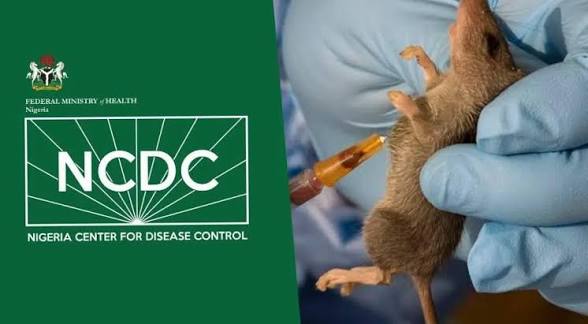
While global attention has largely been drawn toward entertainment headlines, international events, and ongoing celebrity moments, a far more serious and life-threatening development has been unfolding quietly within Nigeria’s public health system. The Nigeria Centre for Disease Control and Prevention (NCDC) has raised fresh concern over a continued rise in Lassa fever cases across several states in the country. As of April 13, 2026, health authorities are warning that the situation remains active and demands urgent public awareness and preventive action from citizens at all levels.
According to the latest update released in the Epidemiological Week 13 report covering data up to April 10, 2026, Nigeria is currently experiencing a troubling pattern in Lassa fever infections. Although there are slight indications that weekly new cases may be stabilising in some regions, the overall impact of the disease this year continues to worsen, particularly in terms of fatalities. Health experts are now describing the current trend as one that requires heightened vigilance, especially because the virus appears to be more severe compared to previous years.
The official figures released by the NCDC show that the country has recorded 167 deaths so far in 2026 as a result of Lassa fever. This number is already considered high for this point in the year and continues to raise concern among epidemiologists and healthcare workers. Even more worrying is the reported case fatality rate, which now stands at 25.2 percent. This means that roughly one in every four confirmed infections has resulted in death. When compared with the 18.5 percent recorded during the same period in 2025, it becomes clear that the disease is currently more deadly than it was in the previous year.
The outbreak has now spread across 22 states in Nigeria and has been confirmed in 93 Local Government Areas. While the disease is not evenly distributed across the country, certain regions are carrying a far heavier burden than others. Five states in particular have been identified as the primary hotspots for transmission. These include Bauchi, Ondo, Taraba, Edo, and Benue States. Together, these five states account for approximately 85 percent of all confirmed cases recorded so far in 2026. Health officials have repeatedly emphasised that controlling the outbreak in these high burden areas is key to reducing the overall national case count.
Read more on: Artemis II Astronauts Make Successful Return to Earth
Another important concern highlighted by the NCDC is the demographic pattern of infections. Data shows that individuals between the ages of 21 and 30 are currently the most affected group. This is particularly alarming because this age range represents a highly active segment of the population, including students, young professionals, and working adults. The implication is that the virus is not limited to vulnerable elderly populations or individuals with underlying health conditions, but is instead significantly affecting people in their most productive years.
Lassa fever is a viral hemorrhagic illness caused by the Lassa virus, which is primarily transmitted to humans through contact with food or household items contaminated by urine or faeces of infected rats, particularly the multimammate rat known scientifically as Mastomys natalensis. Human-to-human transmission can also occur, especially in healthcare settings where proper infection control measures are not strictly followed. The disease is endemic in Nigeria and tends to peak during the dry season, when rodents are more likely to enter homes in search of food and water. Although the dry season typically begins to decline around this time of year, the current surge in cases shows that transmission is still actively ongoing.
Health experts have identified several key factors contributing to the continued spread of the disease in 2026. One of the most significant issues is late presentation at health facilities. Many individuals who develop early symptoms often mistake them for more common illnesses such as malaria or typhoid fever. As a result, they delay seeking proper medical attention until the disease has progressed to a more severe stage. This delay not only increases the risk of death but also raises the chances of further transmission within communities and healthcare environments.

Read more on: 10 High-Protein Foods That Outperform Eggs and Boost Your Health
Environmental conditions are also playing a major role in the persistence of the outbreak. Poor sanitation practices in both urban and rural areas create favourable environments for rodent populations to thrive. Improper waste disposal, uncovered garbage bins, and poorly maintained drainage systems all contribute to increased rodent activity around residential homes. When rats are able to move freely through living spaces, the likelihood of contamination of food and household surfaces increases significantly.
Another important factor is the way food is traditionally processed and stored in many communities. In several parts of the country, grains, cassava products, and other food items are often dried in open spaces, sometimes along roadsides or in uncovered yards. These practices expose food to contamination from rodents, particularly if rats crawl over or leave droppings on exposed surfaces. Once contaminated food is consumed or handled without proper cleaning, the risk of infection becomes much higher.
In response to the ongoing situation, the NCDC has continued to issue public health advisories aimed at reducing exposure and preventing new infections. One of the key recommendations is improved food storage practices within households. Residents are advised to store all food items, especially grains and processed flours, in tightly sealed containers made of plastic, glass, or metal. This is because rats can easily chew through weaker materials such as nylon bags or thin packaging. Proper food storage significantly reduces the chances of contamination.
Cooking practices are also an important part of prevention. Health authorities emphasise that thorough cooking of food helps to kill harmful pathogens, including viruses that may be present due to contamination. Families are encouraged to ensure that all meals are properly heated and that leftover food is always covered and stored safely. Simple hygiene habits, such as washing the tops of canned drinks and bottled water before opening them, are also recommended since rodents may come into contact with these surfaces during storage or transportation.
Read more on: 10 Ways Your Phone Is Slowly Harming Your Body and Mind
Environmental hygiene remains a central pillar of prevention efforts. Households are encouraged to block any openings, cracks, or holes in their walls, roofs, or ceilings that could allow rodents to enter. Keeping surroundings clean is equally important, including regular clearing of bushes, proper disposal of waste, and ensuring that garbage bins are covered tightly. These steps help reduce the presence of rodents around homes and lower the risk of contamination.
The NCDC also continues to warn against drying food items in open environments where rodents can easily access them. Instead, covered or elevated drying methods are strongly recommended. This simple change in practice can significantly reduce the risk of food contamination and subsequent infection.
Recognising the symptoms of Lassa fever early is also critical for survival. The illness typically begins with non specific symptoms that are similar to many other common infections. These include high fever, general weakness, headache, sore throat, muscle pain, chest discomfort, nausea, vomiting, and diarrhoea. Because these symptoms resemble malaria or typhoid, many people often ignore them or attempt self medication.
However, the disease can progress rapidly if not treated early. In severe cases, patients may experience swelling of the face, fluid accumulation in the lungs, low blood pressure, and bleeding from the mouth, nose, eyes, or other parts of the body. At this advanced stage, treatment becomes more difficult and the risk of death increases significantly.
Health officials strongly advise anyone experiencing persistent fever that does not respond to standard malaria or typhoid treatment to seek immediate medical attention. Early diagnosis and treatment with antiviral medication such as Ribavirin can significantly improve survival chances, but only if administered promptly after infection begins. Delays in treatment are often associated with poorer outcomes.
Read more on: First Black Astronaut Heads Toward the Moon on Artemis II
Self medication is strongly discouraged by health authorities. The use of unprescribed antibiotics, herbal mixtures, or traditional remedies does not treat Lassa fever and may instead delay proper medical care. Public health officials continue to stress that hospitals and accredited health centres are the safest places for diagnosis and treatment.
To coordinate the national response, the NCDC has activated a multi partner incident management system involving federal and state health authorities, international partners, and local health organisations. This system is designed to improve surveillance, strengthen case management, and enhance public awareness campaigns across affected regions.
Despite these coordinated efforts, health experts emphasise that the most effective defence against Lassa fever remains prevention at the household level. Individual actions such as maintaining cleanliness, storing food properly, avoiding rodent exposure, and seeking early medical care all play a crucial role in reducing the spread of the disease.
As Nigeria continues to battle this ongoing outbreak, public health authorities are urging citizens to remain alert, take preventive measures seriously, and support community based efforts to reduce rodent infestation and environmental contamination. The situation remains serious, but with consistent awareness and responsible behaviour, the spread of Lassa fever can be contained and further loss of lives prevented.
Read more on: