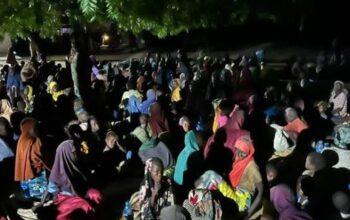
Nigeria and South Africa, two of Africa’s most influential and economically powerful nations, are once again at the centre of a growing diplomatic storm following a renewed outbreak of xenophobic violence in parts of South Africa. The situation, which has reportedly resulted in deaths, widespread intimidation, and the destruction of property belonging to foreign nationals, has triggered urgent diplomatic engagement at the highest level and raised fears of a deeper breakdown in relations between both countries.
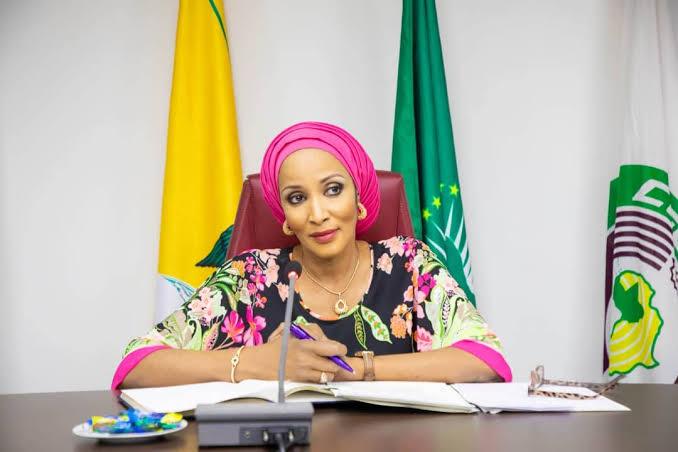
The Nigerian government has responded with unusually strong language, with the Minister of Foreign Affairs, Bianca Odumegwu-Ojukwu, warning that Nigeria “cannot stand by and watch” the continued targeting of its citizens abroad. Her remarks reflect the seriousness with which Abuja is treating the situation, as pressure mounts from within Nigeria for more decisive action against Pretoria.
High-Level Diplomatic Engagement Begins
In response to the escalating crisis, a direct conversation took place on May 7 between Nigeria’s Foreign Affairs Minister, Bianca Odumegwu-Ojukwu, and her South African counterpart, Ronald Lamola. The phone call was described as frank and urgent, with both sides acknowledging the sensitivity of the situation and the need to prevent further deterioration.
During the discussion, Nigeria made clear that the safety of its citizens remains its top priority. The minister emphasized that the government is actively preparing evacuation arrangements for Nigerians who may wish to return home due to worsening security conditions in South Africa. This move is being considered as a precautionary measure, particularly for those living in high-risk areas where incidents of violence have been reported.
Odumegwu-Ojukwu also strongly criticized what she described as “indiscriminate rhetoric” from certain political actors and groups within South Africa. She warned that inflammatory language directed at foreign nationals is not only irresponsible but also contributes directly to the environment that enables violence and lawlessness. According to her, such rhetoric puts the lives, livelihoods, and properties of Nigerians and other foreign residents in danger.
On the South African side, Minister Ronald Lamola reportedly expressed concern about Nigeria’s decision to consider evacuation measures, suggesting that such actions could further heighten tensions. The South African presidency, through spokesperson Vincent Magwenya, has maintained that the current disturbances are limited in scope, describing them as isolated incidents of protest rather than evidence of widespread xenophobic violence. This position, however, contrasts sharply with reports emerging from affected communities and diplomatic missions.
Read more on: Former President Goodluck Jonathan Weighs Possible 2027 Presidential Bid
Violence and Fear Spread Across Major Cities
Despite earlier diplomatic efforts earlier in the year aimed at calming tensions, the situation on the ground in South Africa appears to have worsened significantly in recent days. Reports from Nigerian diplomatic sources and community leaders indicate that violence has spread across several major urban centres, including Pretoria, Cape Town, and Durban.
At least two Nigerian nationals have reportedly been killed in the latest wave of unrest, although community leaders fear the actual number may be higher as investigations continue. In addition to the loss of life, there have been widespread reports of looting and targeted attacks on shops owned by foreign nationals, many of which belong to West African migrants.
One of the most disturbing developments reported so far involves attempts by protesters to forcibly remove children of foreign nationals from schools. While details remain under verification, the allegation has sparked widespread outrage and deepened concerns about the safety of vulnerable groups, particularly women and children.
In Durban, where tensions have been particularly high, authorities deployed increased security presence in an attempt to prevent further escalation. Although large-scale violence was reportedly avoided during recent demonstrations, the atmosphere remains tense. Nigerian diplomatic missions in the region have advised citizens to remain indoors, avoid unnecessary movement, and temporarily close their businesses until the situation stabilizes.
Read more on: Akpabio and Oshiomhole Clash in Senate Over Controversial New Leadership Rules
Growing Pressure on Nigerian Government to Act
Back in Nigeria, the crisis has triggered a strong reaction from lawmakers and civil society groups, many of whom are demanding that the federal government take more assertive steps beyond diplomatic statements of concern.
The Nigerian House of Representatives has become a key voice in the debate, calling on the executive branch to consider a range of punitive measures against South Africa if the violence continues. Among the proposals being discussed is the suspension of certain diplomatic agreements, including aviation and trade arrangements that currently facilitate movement and commerce between both countries.
Some lawmakers have gone further, suggesting economic countermeasures targeting major South African companies operating in Nigeria. Businesses such as MTN and MultiChoice have been mentioned in legislative discussions as potential leverage points in response to the treatment of Nigerian citizens abroad. While these ideas remain at the proposal stage, they reflect the growing frustration within Nigeria’s political space.
At the grassroots level, student groups and civil society organizations have also begun staging protests. In several cities, demonstrations have taken place outside South African-owned businesses, with protesters calling for an immediate end to attacks on Nigerians living in South Africa. These actions have added further pressure on the government to respond more forcefully.
Read more on: Trump Warns of “Higher Level” Bombing on Iran if No Deal Is Reached
Regional Bodies Step In
The crisis is no longer viewed as a bilateral issue alone, as other African nations and regional organizations begin to express concern over the safety of their citizens in South Africa.
Ghana has formally submitted a petition to the African Union, requesting urgent intervention following reports that its nationals have also been affected by violence in parts of KwaZulu-Natal. The Ghanaian government is calling for a coordinated continental response to what it describes as a growing pattern of xenophobic hostility.
Similarly, the Economic Community of West African States, ECOWAS, has announced that it will conduct an official investigation into the situation. The regional bloc has emphasized that the protection of West African citizens abroad is a collective responsibility and should not be treated as a secondary diplomatic concern.
These interventions signal a widening regional unease over developments in South Africa and suggest that pressure on Pretoria could increase significantly if the situation is not brought under control.
Read more on: Tension Rises as El Rufai Appears in Court Over New Charges
Uncertain Path Forward
For now, the Nigerian government has advised its citizens in South Africa to remain calm, obey local laws, and avoid areas identified as high risk. The Ministry of Foreign Affairs has also confirmed that it is working on logistics for voluntary evacuation, should individuals decide to return home in response to the insecurity.
However, the broader diplomatic outcome remains uncertain. Much will depend on the ongoing talks between both governments and the ability of South African authorities to restore order and reassure foreign residents of their safety.
For thousands of Nigerians living in South Africa, the situation has created a deep sense of fear and uncertainty. Many are now waiting anxiously for the outcome of diplomatic engagements, as well as any concrete security measures that may follow.
At the heart of the crisis is a growing question about whether the current wave of violence represents isolated incidents or a deeper structural issue that requires long-term political and social intervention. Until that question is addressed, both governments remain under pressure to act quickly, decisively, and in a way that prevents further loss of life and damage to diplomatic relations that have taken decades to build.
Read more on: