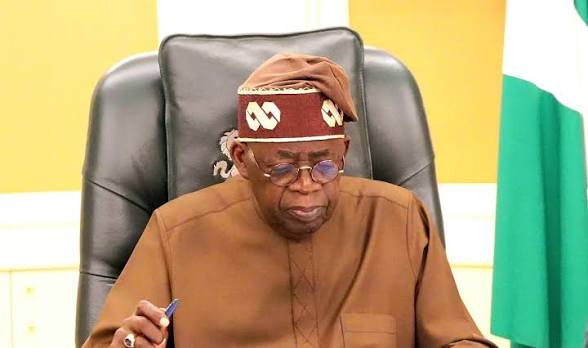
President Bola Ahmed Tinubu has taken another step in reshaping his administration with the formal inauguration of Engr. Dr. Muttaqha Rabe Darma as Nigeria’s new Minister of Housing and Urban Development. The ceremony, held on Friday, April 24, 2026, at the State House in Abuja, marks a significant moment for the country’s infrastructure and housing sector, an area widely regarded as one of the most pressing challenges facing the nation today.
Dr. Darma’s appointment comes shortly after his confirmation by the Nigerian Senate, a process that was completed in under 24 hours, reflecting both the urgency and the confidence placed in his capacity to take on the role. He replaces Ahmed Musa Dangiwa, whose recent resignation created a vacancy that the presidency was quick to fill. The speed of the transition suggests a deliberate effort by the Tinubu administration to maintain momentum in a sector that directly impacts millions of Nigerians.
During the swearing in, President Tinubu spoke with a tone of assurance and expectation, emphasizing the importance of having capable individuals in key positions. He described Dr. Darma as someone whose background and experience make him well suited for the responsibility ahead. According to the president, the new minister’s track record in both technical and administrative roles places him in a strong position to deliver results at a time when the country needs practical solutions to longstanding housing and urban development issues.
The president noted that Nigeria is currently at a critical stage in its development journey, one that requires not just policy direction but also effective execution. He urged Dr. Darma to approach his new assignment with dedication, innovation, and a clear understanding of the administration’s Renewed Hope Agenda. That agenda, which forms the backbone of Tinubu’s governance strategy, places strong emphasis on economic growth, infrastructure expansion, and improved living conditions for citizens. Housing, in particular, sits at the center of this vision, given its direct link to social stability, job creation, and overall quality of life.
Read more on: Lassa Fever: Oyo Confirms Five Cases, One Death Recorded
Dr. Darma steps into office with a reputation built on years of academic achievement and public service. His educational background spans multiple disciplines, reflecting a blend of technical expertise and strategic thinking. He holds a Doctor of Business Administration degree from the University of Liverpool, as well as a PhD in Industrial Engineering from Atlantic International University in the United States. These qualifications are complemented by his earlier training in Mechanical Engineering at Bayero University, Kano, which laid the foundation for his career in engineering and infrastructure development.
Beyond academics, Dr. Darma has accumulated substantial experience in both federal and state level governance. He previously served as the Executive Secretary of the Petroleum Technology Development Fund between 2008 and 2012, a role that placed him at the intersection of policy, capacity building, and resource management within Nigeria’s oil and gas sector. His time at PTDF is often cited as a period during which the organization strengthened its focus on developing local expertise and expanding educational opportunities for Nigerians in technical fields.
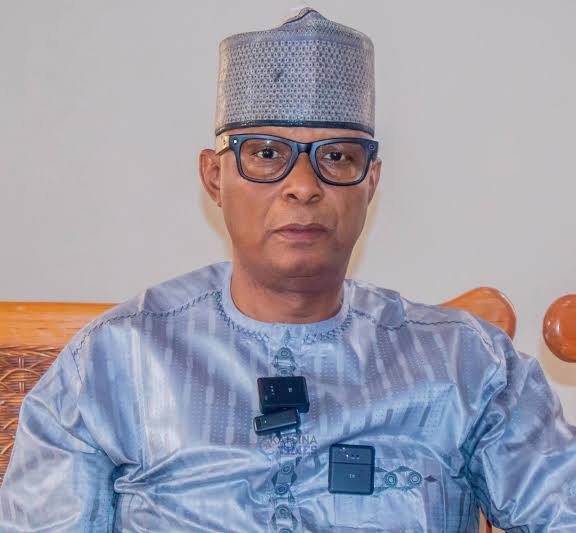
At the state level, Dr. Darma also held key positions in Katsina State, where he served as Commissioner for Works, Housing and Transport, as well as Commissioner for Rural and Social Development. These roles gave him direct exposure to the realities of infrastructure planning and implementation, particularly in areas where resources are limited and the demand for development is high. His experience in these positions is likely to prove valuable as he navigates the complexities of housing delivery on a national scale.
Before his latest appointment, he was the President of the Umaru Musa Yar’Adua Human Development Centre, an institution focused on research, policy dialogue, and human capital development. This role further broadened his perspective on governance, allowing him to engage with issues that go beyond physical infrastructure and touch on social and economic development more broadly.
Read more on: FG Increases Civil Servants’ Allowance, Benefits and Housing Support
The context of his appointment is also tied to recent changes within the federal cabinet. Earlier in the week, the presidency announced a reshuffle that saw the removal of Wale Edun as Minister of Finance and Coordinating Minister of the Economy. In his place, Taiwo Oyedele was elevated to the position, bringing his expertise in fiscal policy to the forefront of the government’s economic strategy. These changes have been interpreted by analysts as part of a broader effort to inject fresh energy into the administration and recalibrate its approach to key sectors as it moves deeper into its tenure.
Within this evolving landscape, the housing ministry holds a particularly critical role. Nigeria’s housing deficit remains one of the largest in the world, with estimates suggesting a shortfall of nearly 20 million units. This gap continues to widen due to rapid population growth, urban migration, and the high cost of construction materials. For many Nigerians, especially those in the middle and lower income brackets, homeownership remains an elusive goal.
Addressing this deficit will require more than just building houses. It will demand a comprehensive approach that includes policy reform, financing solutions, and collaboration between the public and private sectors. The National Housing Fund, which is intended to provide affordable mortgage options, has long been criticized for inefficiencies and limited reach. Strengthening this system is expected to be one of Dr. Darma’s key priorities, as it has the potential to unlock access to housing for millions of citizens.
Urban renewal is another area that will require urgent attention. Cities such as Lagos, Kano, and Port Harcourt continue to grapple with congestion, inadequate infrastructure, and the proliferation of informal settlements. These challenges are not only aesthetic but also have significant implications for public health, security, and economic productivity. Improving urban planning, upgrading existing infrastructure, and ensuring sustainable development practices will be essential components of any meaningful progress in this area.
Read more on: Trump Rules Out Nuclear Strike but Warns Iran “Time Is Running Out” Amid Rising Tensions
The expectations surrounding Dr. Darma’s appointment are therefore both high and complex. On one hand, his technical background and administrative experience suggest that he has the tools needed to make a difference. On the other hand, the scale of the challenges ahead means that success will depend on his ability to translate expertise into tangible outcomes. This will likely involve building strong partnerships with state governments, private developers, financial institutions, and international organizations.
There is also the question of policy continuity and innovation. While previous administrations have introduced various housing initiatives, many have struggled to achieve their intended impact due to issues such as funding constraints, bureaucratic bottlenecks, and lack of coordination. Dr. Darma will need to assess what has worked, identify what has not, and chart a path forward that builds on past efforts while introducing new ideas where necessary.
Public perception will play a role as well. Nigerians are increasingly looking for visible results from government actions, particularly in areas that directly affect their daily lives. Housing is one such area, and any progress made under Dr. Darma’s leadership will likely be closely scrutinized. Delivering even incremental improvements could help build confidence in the administration’s broader agenda.
President Tinubu’s remarks during the swearing in highlighted a sense of urgency and determination. By describing Dr. Darma as a fitting choice for the role, he signaled his belief that the new minister has both the competence and the character required to handle the task. At the same time, the president made it clear that the responsibility is significant and that the expectations are non negotiable.
Read more on: Yobe APC Backs Consensus Model for 2027 Primaries, Endorses Tinubu for Second Term
As Dr. Darma begins his tenure, the focus will quickly shift from credentials to performance. The challenges within Nigeria’s housing and urban development sector are deeply rooted, and addressing them will require sustained effort, strategic planning, and a willingness to confront difficult realities. However, with the right approach, there is also an opportunity to make meaningful progress and leave a lasting impact.
For now, the appointment represents a fresh start and a renewed sense of possibility. The government has made its move by placing a seasoned professional at the helm of a critical ministry. The next phase will be defined by action, as policies are implemented, projects are launched, and results begin to take shape. Across the country, many will be watching closely, hopeful that this change in leadership will translate into real improvements in housing availability, affordability, and urban living conditions.
Read more on:
- Atiku Slams Tinubu’s $516m Superhighway Loan, Warns of Rising Debt Burden
- NYSC Member Beaten To Death by Vigilantes in Benue State
- Kaduna Court Rejects El-Rufai’s Bail Request
- Tragedy in Edo as 12 Die, 14 Sustain Injuries in Crash
- Soldiers Strike in Borno Waterways, Destroy Boats and Kill Dozens of Terrorists