Fresh uncertainty has swept across global energy markets after Iran moved to shut the Strait of Hormuz once more, reversing a brief reopening that had raised hopes of easing tensions in the Middle East. The sudden decision has reignited fears of a prolonged crisis in one of the world’s most strategically important waterways, sending oil traders, shipping companies, and world leaders scrambling to reassess the situation.
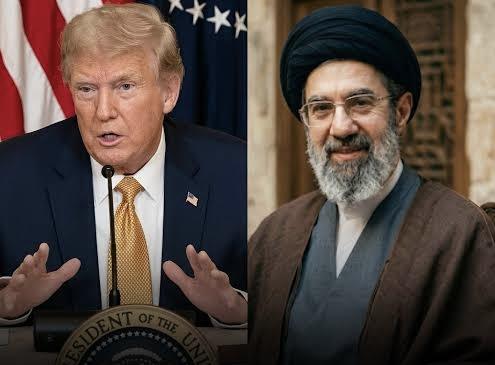
The development has also drawn a sharp response from United States President Donald Trump, who has accused Iran of attempting to pressure the international community through what he described as maritime blackmail. His remarks signal that tensions between Washington and Tehran remain far from resolved, despite recent suggestions that diplomatic progress might be within reach.
A Sudden Reversal That Shook Markets
Earlier this week, there had been cautious optimism when Iranian authorities indicated that the Strait of Hormuz was open for commercial activity. That announcement triggered a noticeable drop in global oil prices, as traders interpreted it as a sign that supply routes would stabilize after weeks of disruption.
However, that optimism proved short-lived. By Saturday morning, maritime tracking systems showed multiple oil and gas tankers attempting to move through the narrow passage, taking advantage of what appeared to be a window of opportunity. Within hours, the situation changed dramatically.
Reports began to emerge that Iranian military forces had reasserted control over the waterway, effectively restoring the restrictions that had been in place before the temporary reopening. According to official statements from Iran’s Khatam al Anbiya Joint Military Command, the Strait had returned to its previous status under strict military oversight.
The enforcement of this renewed closure quickly turned tense. Accounts from the region indicated that Iranian forces fired at least one vessel and used projectiles to damage another ship in order to send a clear signal that passage would not be permitted. These actions reinforced the message that the Strait was once again off limits to international shipping.
Read more on: Security forces uncover Lagos baby factory, rescue 18 women
Iran’s Justification for the Move
Iranian officials have framed the decision as a defensive response to ongoing pressure from the United States. At the center of the dispute is a naval blockade imposed by Washington, which has significantly restricted Iran’s ability to export its own oil.
While President Trump had expressed optimism just a day earlier about the possibility of reaching a broader agreement, he made it clear that the blockade would remain in place until all conditions were fully met. This stance appears to have played a key role in Iran’s decision to reverse course.
Iranian military authorities stated that as long as their own maritime activity remains under threat, they will not allow unrestricted passage through the Strait. In their view, maintaining control over the waterway is a necessary countermeasure against what they see as economic and military pressure from the United States.
This position highlights the core of the standoff. Both sides are leveraging strategic tools to strengthen their negotiating positions. The United States is relying on economic restrictions and naval presence, while Iran is using its geographic control of a critical shipping route to exert influence.
Read more on: Iran Reopens Strait of Hormuz to Commercial Vessels
Trump Responds With Firm Warning
Following news of the renewed closure, President Trump addressed the situation from the White House. His tone marked a shift from the cautious optimism he had expressed earlier, signaling a more confrontational stance.
Trump emphasized that the United States would not yield to pressure tactics, particularly those that threaten global energy supplies. He stated that Iran cannot expect to force concessions by disrupting one of the most vital arteries of international trade.
In his remarks, the President also touched on ongoing negotiations related to Iran’s nuclear program. He suggested that progress had been made on the issue of enriched uranium, claiming that Iran had agreed in principle to relinquish a significant stockpile. However, this assertion has not been independently confirmed by Iranian officials, leaving room for uncertainty about the true state of negotiations.
The administration’s strategy remains focused on maintaining maximum pressure until a comprehensive agreement is reached. Trump reiterated that the blockade on Iranian ports would stay in effect until there is a complete and verifiable resolution to the broader dispute.
This approach has created a situation where both sides are unwilling to back down, increasing the risk of further escalation.
Read more on: Two UTME Candidates Escape Kidnappers in Benue, Police Report
The Strategic Importance of the Strait
The Strait of Hormuz is widely regarded as one of the most critical chokepoints in the global energy system. A significant portion of the world’s oil and liquefied natural gas passes through this narrow corridor, making it a lifeline for many economies.
Any disruption in this area has immediate and far-reaching consequences. When the Strait is closed or restricted, supply chains are affected, insurance costs for shipping rise sharply, and energy prices tend to surge.
Since the current crisis began in late February, there have already been multiple incidents involving commercial vessels. Several ships have been damaged, and some have been abandoned due to safety concerns. These developments have heightened anxiety among shipping companies, many of which are now reluctant to send vessels through the region without clear assurances of security.
The economic implications extend beyond the energy sector. Higher oil prices can lead to increased transportation costs, which in turn affect the prices of goods and services worldwide. Financial institutions, including the International Monetary Fund, have warned that a prolonged disruption could push the global economy toward a downturn.
Read more on: President Tinubu Approves 2026 Appropriation, Pushes 2025 Budget Deadline
A Region Under Pressure
The renewed closure of the Strait comes at a time when the Middle East is already facing heightened tensions. The broader conflict involving the United States, Iran, and regional allies has created a volatile environment where even small incidents can have significant consequences.
Diplomatic efforts have been ongoing, with several countries attempting to mediate between the parties involved. Pakistan, in particular, has played a role in facilitating discussions aimed at de-escalating the situation. Talks have been taking place in Islamabad, with the goal of reaching a ceasefire agreement that could pave the way for a more stable arrangement.
However, the latest developments have complicated these efforts. The re closure of the Strait sends a signal that Iran is prepared to take decisive action if its demands are not addressed. At the same time, the firm stance from the United States indicates that Washington is not willing to make concessions under pressure.
This dynamic creates a challenging environment for negotiators, who must find a way to bridge the gap between two deeply entrenched positions.
Read more on: Ex-Humanitarian Minister, Others Declared Wanted
Impact on Global Shipping and Trade
Shipping companies have responded quickly to the renewed risks in the region. Many have instructed their vessels to remain outside the Gulf, waiting for clearer guidance before attempting to transit the Strait.
Insurance premiums for ships operating in the area have surged, reflecting the increased danger. Some insurers have even declined to cover voyages through the Strait under current conditions, further discouraging commercial activity.
The uncertainty has also affected global supply chains. Delays in oil shipments can have ripple effects across industries, from manufacturing to transportation. Countries that rely heavily on energy imports are particularly vulnerable, as they may face higher costs and potential shortages.
In financial markets, the reaction has been swift. Oil prices have shown signs of volatility, with traders closely monitoring developments for any indication of how long the disruption might last.
What Comes Next
As the situation continues to evolve, the focus remains on whether diplomatic efforts can produce a breakthrough. The current ceasefire arrangements are reportedly set to expire in the coming days, adding urgency to the negotiations.
If a resolution is not reached, there is a risk that the conflict could escalate further, potentially drawing in additional actors and expanding beyond the immediate region. Such a scenario would have serious implications for global stability.
For now, the Strait of Hormuz remains effectively closed, and the world is watching closely. Governments, businesses, and consumers alike are feeling the impact of the uncertainty, underscoring the importance of this critical waterway.
The coming days will be crucial in determining the direction of the crisis. Whether through negotiation or continued confrontation, the decisions made by key players will shape not only the future of the region but also the broader global economy.
In the meantime, the renewed tension serves as a reminder of how interconnected the world has become, and how events in a single region can have far-reaching consequences for people and markets everywhere.
Read more on:
- 10-Day Israel–Lebanon Ceasefire Begins
- Trump Makes Major Announcement on Nuclear Agreement With Iran
- Tinubu: I Won’t Be Scared by Opposition or Shirk Nigeria’s Challenges
- Gunmen Abduct UTME Candidates on Benue Highway
- Security Report Warns of Planned Terrorists Attacks on Airports and Prisons in Two States