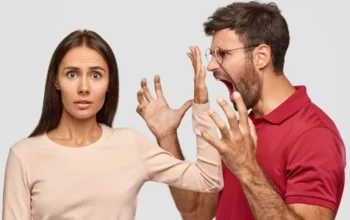
Human beings are naturally built for connection. From early survival instincts to the way modern society functions today, our brains depend heavily on interaction to stay healthy and balanced. Yet in 2026, experts are raising alarm over what is now being described as a growing “silent epidemic” of social isolation. Recent data shows a troubling pattern, especially among young people between the ages of 15 and 24, where isolation levels remain far higher than they were before the pandemic years.
Spending a little time alone can be refreshing and even necessary for mental clarity. However, when solitude stretches for too long, it begins to trigger a chain reaction that affects not just your emotions but also your brain function and physical health.
If you have ever wondered what truly happens beneath the surface when someone withdraws from regular human contact, the effects are deeper and more serious than most people realize.
Your Brain Begins to Lose Sharpness
Regular interaction acts as a kind of exercise for the brain. Conversations, shared experiences, and even reading facial expressions keep the mind active and engaged. Without these, the brain starts to slow down.
Studies in neuroscience reveal that long-term isolation can actually reduce grey matter in the brain, especially in areas like the hippocampus, which is responsible for memory and learning. This decline does not just affect how well you remember things but can also impact your ability to process information and stay focused.
There is also strong evidence linking prolonged isolation to a much higher risk of dementia. Some research suggests the risk can increase by as much as 50 percent, especially as individuals grow older.
Read more on: Hidden Dangers of Mold You Shouldn’t Ignore
Your Heart and Body Come Under Pressure
Isolation is often thought of as purely emotional, but its physical consequences are just as serious. Researchers have compared the health risks of extreme loneliness to smoking up to fifteen cigarettes daily.
People who remain socially disconnected for long periods face a significantly higher chance of developing heart disease and experiencing strokes. The absence of emotional support means the body absorbs more stress, placing extra strain on the cardiovascular system.
Stress Hormones Take Control
When you are cut off from social contact, your body interprets it as a form of danger. This response is rooted in evolution, where being separated from a group meant increased vulnerability.
As a result, the body releases higher levels of cortisol, the hormone associated with stress. When cortisol stays elevated over time, it leads to inflammation throughout the body. This weakens the immune system, making it easier to fall sick and harder for the body to recover from illness or injury.
Read more on: PCOS Renamed PMOS: A New Era in Understanding Women’s Hormonal Health
Your Thoughts Become Less Balanced
Isolation does not just affect the body. It also changes how the mind processes reality. Without outside perspectives to challenge or reassure you, your thoughts can become distorted.
Many people begin to experience heightened anxiety, especially around social situations. Over time, even the idea of interacting with others can feel overwhelming. This creates a cycle where avoiding people brings temporary relief but deepens the problem in the long run.
Loneliness also plays a major role in the development of depression. Large-scale studies from institutions like Harvard show that feeling disconnected from meaningful relationships is one of the strongest predictors of severe depressive symptoms and a reduced sense of purpose.
Sleep and Daily Habits Start to Break Down
Human routines are often shaped by interaction with others. Work schedules, social plans, and even casual conversations help structure the day. Without these, daily life can quickly become disorganized.
People who isolate for long periods frequently struggle with poor sleep patterns. Some find it difficult to fall asleep, while others wake up frequently during the night. At the same time, basic self-care habits begin to slip. Exercise becomes less frequent, eating patterns become irregular, and hydration is often neglected.
Read more on: Six Common Cancer Driving Global Death Rates And Their Early Symptoms
Understanding the Difference Between Isolation and Loneliness
It is important to recognize that isolation and loneliness are not exactly the same thing. A person can be surrounded by others and still feel deeply alone, while another person may live alone yet feel content and emotionally fulfilled.
Social isolation refers to the physical absence of interaction or relationships. It is more closely linked to physical health issues such as high blood pressure and a higher risk of early death.
Loneliness, on the other hand, is the emotional experience of feeling disconnected or unsupported. This condition is more strongly tied to mental health struggles like depression, low self-esteem, and emotional distress.
How to Reconnect and Break the Pattern
Overcoming isolation does not require sudden or overwhelming social changes. In fact, small and consistent steps are often more effective.
Making use of digital platforms can be a helpful starting point. Joining an online community, participating in group discussions, or engaging in shared hobbies can create a sense of belonging, especially for those who find in-person interaction difficult.
Another simple approach is to challenge yourself to accept at least one social invitation each week. Even if the initial instinct is to decline, showing up can gradually rebuild confidence.
It is also worth remembering that small everyday interactions matter. Greeting a neighbor, chatting briefly with a shop attendant, or participating in a local activity can help stimulate the brain and slowly restore your comfort with social connection.
In a world that is becoming increasingly digital and fast-paced, maintaining human connection is more important than ever. What may seem like harmless solitude can, over time, reshape both mind and body in ways that are difficult to reverse.
Read more on: