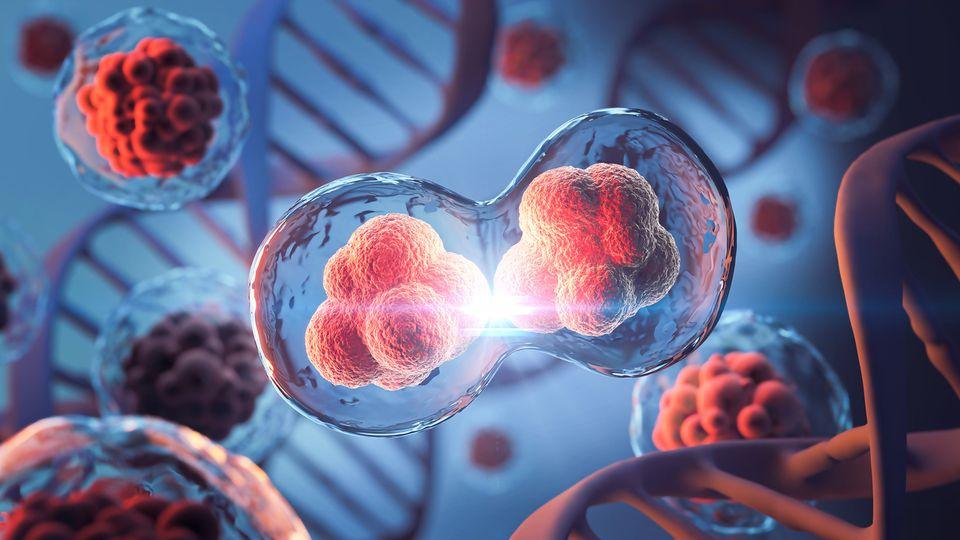
The global fight against cancer in 2026 presents a complex and evolving picture. Medical science has achieved remarkable progress over the past few decades, particularly in areas such as early detection, precision medicine, immunotherapy, and targeted treatment approaches. These advancements have significantly improved survival rates for several cancer types, especially when diagnosed early.
However, despite these gains, cancer remains one of the leading causes of death worldwide. The total number of new cases continues to rise steadily, driven by population growth, aging demographics, environmental exposure, and changing lifestyle patterns. Current global estimates indicate that cancer diagnoses now exceed 18.5 million new cases annually, with mortality still concentrated in a relatively small number of aggressive cancer types.
In 2026, health experts are particularly concerned about three major trends. First, the increasing number of cases in low and middle income countries where access to early screening is limited. Second, a noticeable rise in cancer diagnoses among younger adults. Third, the continued dominance of lifestyle and environmental risk factors such as smoking, obesity, pollution, and poor diet.
Below is a detailed and expanded global overview of the six most common and deadliest cancers in 2026, including their causes, biological behavior, symptoms, and worldwide impact.
Lung Cancer: The Leading Cause of Cancer Death Worldwide
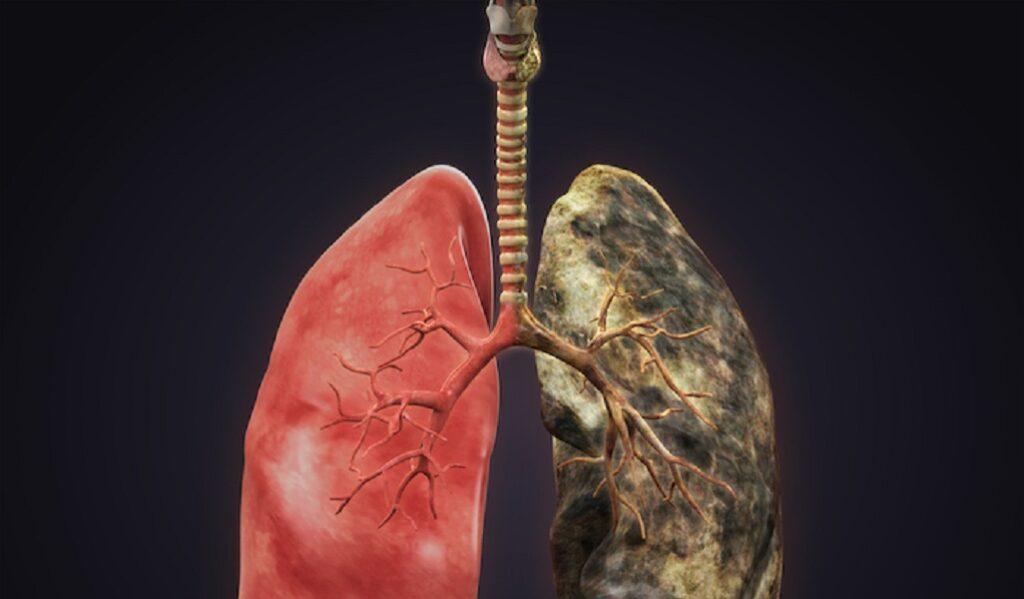
Lung cancer remains the most lethal cancer globally in 2026, accounting for more deaths than any other cancer type. It continues to surpass colorectal, breast, and pancreatic cancers combined in terms of mortality, making it a major global health priority.
Global Burden and Impact
Lung cancer is diagnosed in millions of people each year, with a significant proportion of cases resulting in late-stage detection. This late diagnosis is one of the primary reasons survival rates remain relatively low compared to other major cancers.
Causes and Risk Factors
The strongest and most well-established cause is tobacco smoking, which remains responsible for the majority of lung cancer cases worldwide. However, 2026 data shows a growing number of non-smoking related cases, which researchers attribute to environmental and occupational exposure.
Key risk factors include:
- Long-term tobacco smoking or exposure to secondhand smoke
- Air pollution, particularly in heavily industrialized and urban regions
- Exposure to radon gas in poorly ventilated buildings
- Occupational exposure to carcinogens such as asbestos, diesel fumes, and industrial chemicals
- Genetic susceptibility in certain individuals
At the biological level, lung cancer develops when repeated exposure to harmful substances damages the DNA of lung cells. Over time, these damaged cells begin to divide uncontrollably, forming tumors that interfere with normal lung function and eventually spread to other parts of the body.
Early Symptoms
- A persistent cough that does not improve or worsens over time
- Coughing up blood or rust-colored sputum
- Shortness of breath during light activity
- Chest pain that worsens when breathing deeply, laughing, or coughing
- Hoarseness or voice changes that persist
Because symptoms often appear late, many cases are diagnosed only after the disease has already advanced.
Read more on: 8 Things to Know About Metastatic Kidney Cancer
Breast Cancer: The Most Frequently Diagnosed Cancer in Women
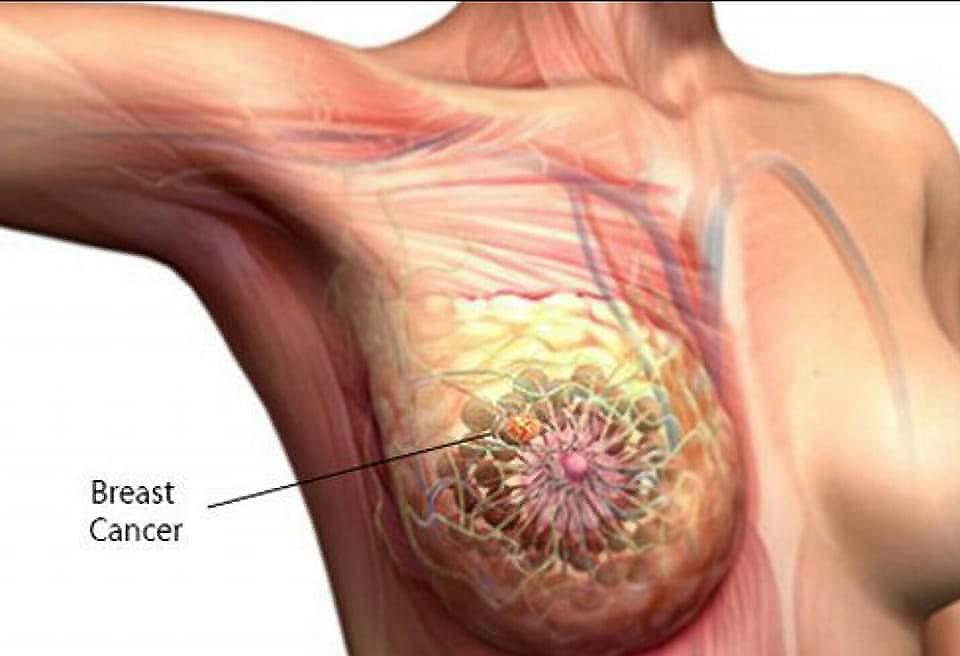
Breast cancer remains the most commonly diagnosed cancer among women globally in 2026, representing approximately 15 to 16 percent of all new cancer cases worldwide. It affects both developed and developing nations, although survival rates vary widely depending on access to healthcare and early detection services.
Global Trends
One of the most notable trends is the increasing incidence of breast cancer among younger women. Researchers believe this may be linked to lifestyle changes, delayed childbirth, environmental exposure, and rising obesity rates.
Causes and Risk Factors
Breast cancer is caused by a combination of genetic, hormonal, and environmental influences.
Major risk factors include:
- Genetic mutations such as BRCA1 and BRCA2
- Family history of breast or ovarian cancer
- Hormonal changes, including early menstruation or late menopause
- Obesity and lack of physical activity
- Alcohol consumption and smoking
- Delayed childbirth or not breastfeeding
Early Symptoms
- A painless lump or thickening in the breast or underarm area
- Swelling or changes in breast shape or size
- Skin changes such as redness, dimpling, or thickening
- Nipple inversion or abnormal discharge
Early detection through mammography and self-examination remains critical for improving survival outcomes.
Colorectal Cancer: A Rapidly Rising Global Concern
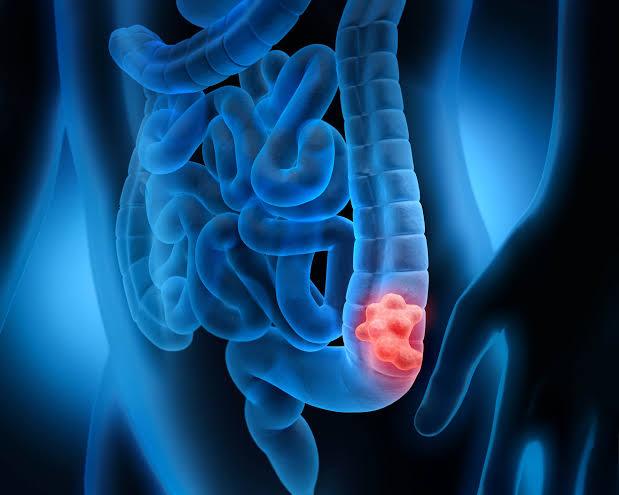
Colorectal cancer, which affects the colon and rectum, is currently the second leading cause of cancer death worldwide. It is increasingly becoming a disease that affects younger populations, a trend that has alarmed global health organizations.
Causes and Risk Factors
Modern dietary habits and lifestyle changes are major contributors to the rising incidence of colorectal cancer.
Key risk factors include:
- High consumption of processed and red meats
- Low fiber diets and poor nutrition
- Obesity and metabolic syndrome
- Sedentary lifestyle and lack of physical activity
- Alcohol consumption and smoking
- Genetic conditions such as Lynch syndrome
Early Symptoms
- Persistent changes in bowel habits such as constipation or diarrhea
- Blood in stool, which may appear bright red or dark and tar-like
- Abdominal cramps, bloating, or discomfort
- Unexplained weight loss and fatigue
- Feeling that the bowel does not empty completely
Health experts are increasingly advocating for earlier screening, especially in individuals over 45 or those with family history.
Read more on: Top Skills That Will Make You Highly Employable in 2026
Prostate Cancer: The Leading Cancer Among Men
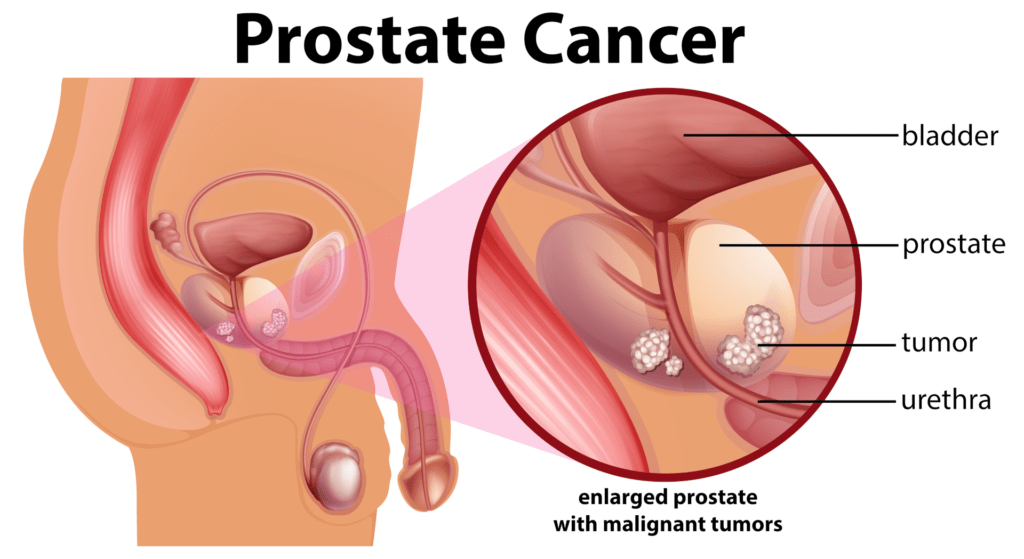
Prostate cancer is the most frequently diagnosed cancer in men worldwide in 2026. It primarily affects older men, although younger cases are also being reported in some regions.
Causes and Risk Factors
While age remains the strongest risk factor, genetic and lifestyle influences also play a role.
Key risk factors include:
- Advanced age, particularly over 50
- Family history of prostate or related cancers
- Genetic mutations
- Diets high in saturated fats and low in vegetables
- Obesity and lack of exercise
Early Symptoms
- Difficulty starting or stopping urination
- Weak or interrupted urine flow
- Frequent urination, especially at night
- Blood in urine or semen
- Pain in the lower back, hips, or pelvis
Prostate cancer often grows slowly, and when detected early, it has one of the highest survival rates among all cancers.
Pancreatic Cancer: The Silent and Aggressive Killer
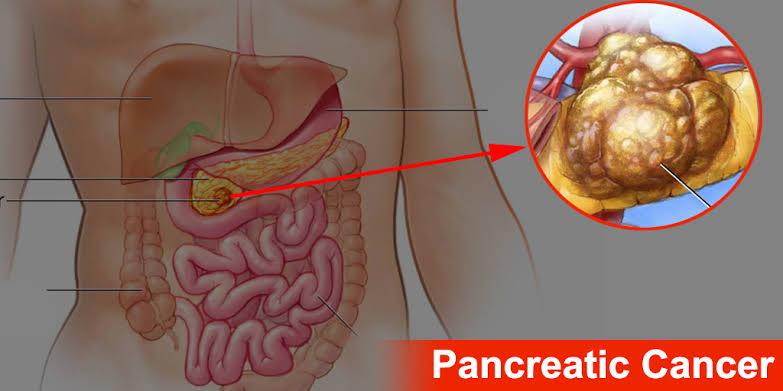
Pancreatic cancer remains one of the most feared cancers globally due to its aggressive nature and extremely low early detection rate. In many cases, it progresses silently until it reaches an advanced stage.
Global Impact
Despite relatively lower incidence compared to other cancers, pancreatic cancer has one of the highest mortality rates due to late diagnosis and limited treatment options.
Causes and Risk Factors
- Smoking and long-term tobacco use
- Chronic diabetes and insulin resistance
- Obesity and poor dietary habits
- Chronic pancreatitis and long-term inflammation
- Family history and genetic mutations
Early Symptoms
- Jaundice, which causes yellowing of the skin and eyes
- Severe abdominal pain that radiates to the back
- Sudden and unexplained weight loss
- Loss of appetite and digestive issues
- New onset diabetes in adults
Because symptoms appear late, early screening remains a major challenge in global oncology.
Read more on: The Simple Guide to Better Sleep
Liver Cancer: A Growing Global Health Threat
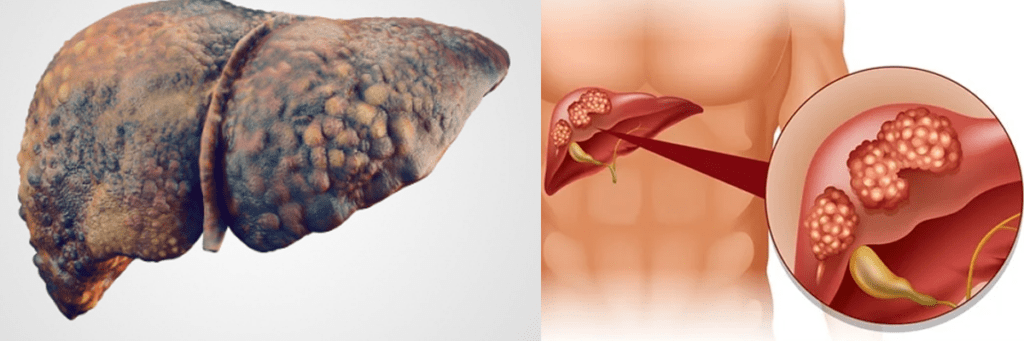
Liver cancer is increasingly becoming a major concern worldwide in 2026, particularly in developing regions where hepatitis infections remain widespread and access to healthcare is limited.
Causes and Risk Factors
The rise in liver cancer is closely linked to preventable and chronic conditions.
Major risk factors include:
- Hepatitis B and Hepatitis C infections
- Excessive alcohol consumption
- Non Alcoholic Fatty Liver Disease (NAFLD), linked to obesity
- Long-term liver cirrhosis
- Exposure to aflatoxins in contaminated food
Early Symptoms
- Pain or swelling in the upper right abdomen
- A noticeable lump under the ribs
- Swollen abdomen due to fluid buildup (ascites)
- Fatigue, nausea, and vomiting
- Easy bruising or unexplained bleeding
Vaccination against hepatitis B and lifestyle modification remain key preventive strategies.
Read more on: 6 Nigerians Who Became the First Ever to Reach Historic Milestones
Cancer Snapshot 2026: Global Mortality and Incidence
| Cancer Site | Est. New Cases (Global) | Survival Rate (Avg) | Primary Risk Factor |
| Lung | 2.3 Million+ | 29.5% | Smoking / Air Pollution |
| Breast | 2.3 Million+ | 91.9% | Genetics / Lifestyle |
| Colorectal | 1.9 Million+ | 65.4% | Diet / Inactivity |
| Prostate | 1.5 Million+ | 98.2% | Age / Family History |
| Pancreas | 500,000+ | 13.7% | Smoking / Diabetes |
| Liver | 900,000+ | 21.9% | Hepatitis / Obesity |
Final Outlook: Prevention and Early Detection Remain Critical
Global health experts continue to emphasize that nearly half of all cancer deaths worldwide in 2026 could be prevented through a combination of lifestyle changes, vaccination, and early screening.
Simple but consistent actions such as avoiding tobacco use, maintaining a healthy diet, exercising regularly, limiting alcohol intake, and participating in routine medical screenings can significantly reduce individual risk.
While cancer remains one of the most serious global health challenges of the modern era, ongoing research, improved diagnostics, and expanding access to healthcare are steadily improving survival outcomes across the world.
Read more on: