Recent reports of a suspected hantavirus outbreak on a cruise ship traveling across the Atlantic have drawn serious global attention after the unfortunate deaths of three individuals. This situation has raised concern among public health authorities and travelers alike, especially because hantavirus infections are relatively rare but can be extremely dangerous. Organizations such as the World Health Organization are now closely monitoring the situation, working alongside other health agencies to investigate both confirmed and suspected cases among passengers and crew members. While details are still emerging, the incident has sparked widespread discussion about what hantavirus is, how it spreads, and what people can do to protect themselves.
What is Hantavirus?
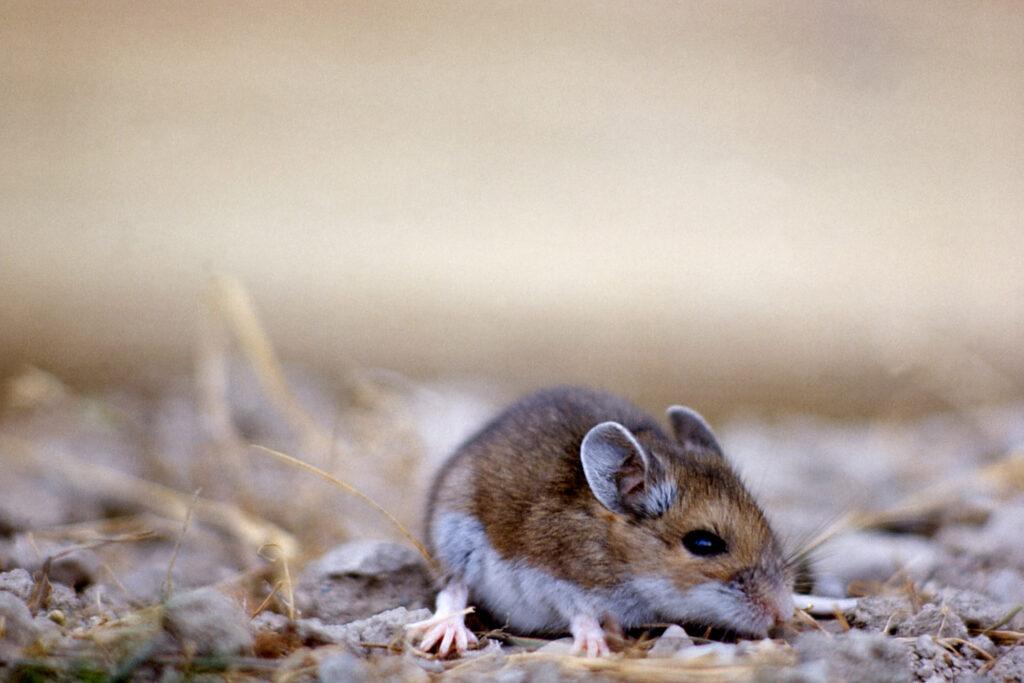
Hantaviruses are a group of viruses that are mainly carried by rodents, including species like mice and rats. Interestingly, these animals do not become sick from the virus, but they can pass it on to humans, where it may lead to severe illness and even death. The impact of the virus on humans depends on the specific strain involved and the region in which it is found.
In general, hantaviruses are associated with two major types of disease in humans. The first is Hantavirus Pulmonary Syndrome, often referred to as HPS. This form is more commonly found in the Americas, including the United States and parts of South America. It primarily affects the lungs and can quickly become life threatening. Patients with HPS often develop severe breathing difficulties, and the condition carries a high mortality rate, estimated to range between 38 percent and 50 percent.
The second form is Hemorrhagic Fever with Renal Syndrome, commonly known as HFRS. This version is more prevalent in Europe and Asia and mainly affects the kidneys. Although the mortality rate for HFRS varies widely, it can be as low as less than 1 percent in milder cases and as high as 15 percent in more severe forms. Despite being less widely discussed in some regions, HFRS remains a serious health concern in areas where it is more common.
Read more on: 6 Hidden Infections That Can Gradually Damage Your Organs Without Obvious Warning Signs
How Does Hantavirus Spread?
Hantavirus is classified as a zoonotic disease, which means it is transmitted from animals to humans. The primary source of infection is contact with rodents or their waste products. The most common route of transmission occurs when people inhale tiny particles of the virus that have become airborne.
This often happens when dried rodent urine, droppings, or nesting materials are disturbed. For example, sweeping or cleaning an area where rodents have been present can release microscopic virus particles into the air. Once inhaled, these particles can infect a person and begin to cause illness.
Another way the virus can spread is through direct contact. If someone touches contaminated surfaces or materials and then touches their face, especially their eyes, nose, or mouth, the virus can enter the body. Although less common, rodent bites or scratches can also transmit the virus.
One of the most important questions people often ask is whether hantavirus can spread from person to person. In most cases, the answer is no. Hantavirus infections are generally not contagious between humans, meaning you cannot typically catch it from being near or interacting with an infected individual.
However, there is a rare exception. A specific strain known as the Andes virus, found in parts of South America, has been shown in limited cases to spread between people. This type of transmission is extremely uncommon and has only been documented in certain circumstances.
In the case of the current cruise ship outbreak, health officials are carefully examining whether there is any unusual pattern of transmission. So far, person to person spread is considered highly unlikely, but scientists are conducting genetic analysis of the virus to confirm its characteristics and rule out any unexpected behavior.
Read more on: 8 Practical and Sustainable Ways to Stay Healthy in 2026
Symptoms and Warning Signs
The symptoms of hantavirus infection can take some time to appear. Typically, they develop between one and eight weeks after exposure to the virus. This delay can make it difficult to immediately identify the source of infection.
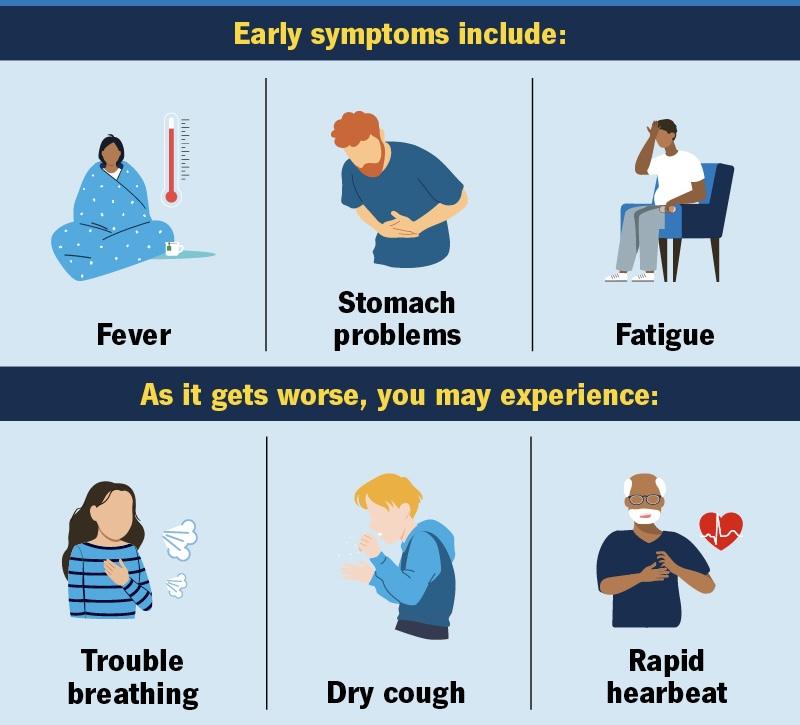
In the early stages, the illness often resembles common viral infections such as the flu. Individuals may experience fever, fatigue, and muscle aches. These aches are often particularly noticeable in large muscle groups like the thighs, hips, and back. Other early symptoms can include headaches, dizziness, chills, and gastrointestinal issues such as nausea, vomiting, or diarrhea.
As the disease progresses, more severe symptoms may develop depending on the type of hantavirus involved. In cases of Hantavirus Pulmonary Syndrome, the condition can worsen rapidly within a few days. Patients may begin to experience a persistent cough and increasing shortness of breath. As fluid builds up in the lungs, breathing becomes more difficult, and individuals may feel as though they are suffocating. This stage is considered a medical emergency and requires immediate treatment.
For those affected by Hemorrhagic Fever with Renal Syndrome, the later stages of illness can involve a drop in blood pressure, leakage of blood vessels, and serious kidney problems. In severe cases, this can lead to acute kidney failure, which may require dialysis and intensive medical care.
Read more on: 6 common Raining Season Illness and How To Prevent Them
Treatment and Medical Care
One of the challenges in dealing with hantavirus infections is that there is currently no specific cure, vaccine, or targeted antiviral treatment available. Medical care focuses on supporting the patient’s body as it fights the infection.
Early diagnosis and prompt medical attention can significantly improve outcomes. Patients who receive care early in the course of the illness are more likely to survive and recover. Treatment may include oxygen therapy to assist with breathing, intravenous fluids to maintain hydration, and medications to stabilize blood pressure.
In severe cases, especially those involving lung complications, patients may need to be placed on ventilators to help them breathe. For individuals experiencing kidney failure due to HFRS, dialysis may be necessary to support kidney function until recovery occurs.
Because of the seriousness of the disease and the lack of a specific cure, prevention remains the most effective strategy.
Read more on: Beyond the Name: How “Eko” Became “Lagos” — A Journey Through Time
Prevention and Safety Measures
Reducing exposure to rodents and their environments is key to preventing hantavirus infection. This involves both maintaining clean living spaces and taking precautions when dealing with areas where rodents may be present.
One of the most important steps is to rodent proof your home or workspace. This includes sealing any holes or gaps larger than the width of a pencil, as rodents can squeeze through surprisingly small openings. Food should be stored in durable containers made of thick plastic or metal, and garbage should always be kept in tightly sealed bins.
Cleaning practices also play a crucial role in prevention. It is important to avoid sweeping or vacuuming areas with rodent droppings or nesting materials, as this can release virus particles into the air. Instead, surfaces should be disinfected using a bleach solution. A commonly recommended mixture is one and a half cups of bleach combined with one gallon of water.
When cleaning contaminated areas, the solution should be sprayed onto the droppings or surfaces and allowed to soak for at least five minutes. This helps to kill the virus and reduces the risk of it becoming airborne. Afterward, the area can be wiped clean using paper towels while wearing protective gloves.
Ventilation is another important factor. Before entering or cleaning enclosed spaces such as sheds, cabins, or attics, it is advisable to open doors and windows and allow fresh air to circulate for at least thirty minutes. This helps to disperse any potentially contaminated air and lowers the risk of inhaling virus particles.
Read more on:8 Nigerian Foods That Can Help You Lose Weight Naturally
The Bigger Picture
The suspected outbreak on the Atlantic cruise ship serves as a reminder of how quickly health concerns can emerge in shared and enclosed environments. Cruise ships, in particular, can present unique challenges due to the close proximity of passengers and crew, as well as the complexity of managing sanitation and disease control on board.
While hantavirus outbreaks are rare, they highlight the importance of vigilance, early detection, and strong public health responses. The ongoing investigation will likely provide more insight into how the virus was introduced and whether any unusual transmission patterns played a role.
For the general public, the risk of contracting hantavirus remains low, especially in urban environments where contact with rodents is limited. However, awareness and preventive measures are essential, particularly for individuals who live in or visit areas where rodents are more common.
As health authorities continue their work, the global community watches closely, hoping for clarity and containment. In the meantime, understanding the nature of hantavirus and taking simple precautions can go a long way in reducing risk and ensuring safety.
Read more on:
- Meet Nigeria’s First Space Traveler, Chief Owolabi Salis
- 7 African Countries Named After Historical Figures
- 12 Common Daily Mistakes That Can Make You Look Older
- Early Warning Signs of Diabetes Many People Overlook
- Artemis II Astronauts Make Successful Return to Earth
- Lassa Fever Outbreak Spreads Across Nigeria