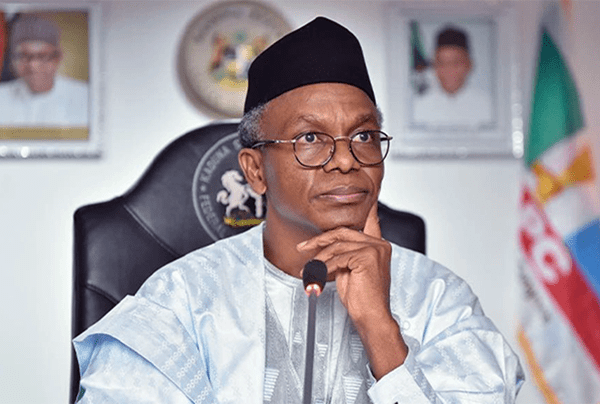
The political climate in Kaduna State has become increasingly tense following the latest court appearance of former Governor Nasir El Rufai, whose ongoing legal troubles continue to attract national attention. The former governor is currently facing prosecution by the Independent Corrupt Practices and Other Related Offences Commission, widely known as the ICPC, over a range of allegations tied to financial misconduct and abuse of office during his time in power. His appearance in court has not only intensified legal scrutiny but also stirred political debate, with supporters and critics closely watching every development in what is fast becoming one of the most high profile cases in recent Nigerian political history.
At the heart of the latest proceedings is a fresh application for bail submitted by El Rufai’s legal team, a move that has sparked a new round of legal arguments between the defense and the prosecution. The request for bail has been strongly contested by the ICPC, which has made it clear that it intends to pursue the case with full rigor. During the hearing, the courtroom atmosphere reflected the seriousness of the situation, with both sides presenting arguments that could shape the direction of the case in the coming weeks.
Counsel to the former governor, Ubong Akpan, argued passionately in favor of granting bail, emphasizing that the application is rooted in his client’s fundamental right to personal liberty. He maintained that all required legal procedures had been followed and that there was no justification for continued detention. According to the defense, El Rufai has shown willingness to cooperate with the judicial process and should be allowed to prepare for his trial outside of custody. The argument was framed not just as a legal necessity but also as a matter of fairness and constitutional rights.
Read more on: Major Shakeup in the House of Representatives as 17 Lawmakers Leave ADC for NDC
On the other side, the ICPC took a firm stance against the bail request, filing a counter affidavit to oppose the application. The commission reiterated its commitment to ensuring that justice is served without compromise, particularly in cases involving allegations of corruption and abuse of power. Prosecutors argued that granting bail at this stage could undermine the integrity of the case, although specific details of their objections were not fully disclosed in open court. Their position reflects a broader determination by anti corruption agencies to pursue accountability, especially in cases involving prominent political figures.
Following the exchange of arguments, the Kaduna State High Court decided to adjourn the matter, scheduling the next hearing on the bail application for May 13, 2026. This adjournment means that El Rufai will remain in custody pending further deliberations, adding another layer of uncertainty to an already complex legal battle. The delay has also fueled speculation and debate, with observers questioning how the case will unfold and what implications it may have for the broader political landscape.
The charges against El Rufai are spread across multiple cases being handled by different courts, reflecting the scale and complexity of the allegations. One of the key cases is before the Kaduna State High Court, where he faces a nine count charge brought by the ICPC. Presided over by Honourable Justice Darius Khobo, this case includes allegations of abuse of office, fraud, and violations of procurement laws. According to the prosecution, these charges stem from actions taken during El Rufai’s tenure as governor, which allegedly involved the misuse of public office to confer undue advantages and engage in questionable financial dealings.
The accusations related to abuse of office focus on alleged breaches of the Kaduna State Public Procurement Law, with claims that due process was not followed in certain transactions. The fraud related charges suggest that there was intent to deceive or gain unfair advantage, while the inclusion of advance fee fraud allegations points to possible violations under federal legislation designed to combat financial crimes. Together, these charges paint a picture of alleged misconduct that the prosecution argues must be thoroughly examined in court.
Read more on: Zenith Bank Chairman Jim Ovia retires, marking historic transition
In addition to the state level case, El Rufai is also facing a separate ten count charge at the Federal High Court in Kaduna. This case, presided over by Honourable Justice Rilwan Aikawa, centers on allegations of money laundering and the handling of funds believed to be proceeds of corruption. The dual nature of the proceedings has added to the complexity of the situation, as the former governor must navigate legal challenges in multiple courts simultaneously.
Among the most notable allegations in the federal case is the claim that El Rufai received an excessive severance package far beyond what is legally permitted. The prosecution alleges that he collected approximately 289.8 million naira as severance allowance, despite being entitled to only 20 million naira under existing regulations. This significant discrepancy forms a central part of the case, with investigators seeking to establish how the funds were approved and disbursed.
Another key aspect of the federal charges involves the alleged deposit of nearly 800 thousand dollars into a domiciliary account. According to the prosecution, there are grounds to believe that these funds were derived from unlawful activities. The case will likely hinge on the ability of the prosecution to trace the origin of the funds and demonstrate that they are linked to acts of corruption. For the defense, challenging these claims and providing legitimate explanations for the transactions will be critical.
Beyond the legal arguments, the case has taken on a strong political dimension. El Rufai remains a prominent figure in Nigerian politics, and his prosecution has inevitably sparked debate about the motivations behind the charges. His supporters have been vocal in expressing their belief that the case is politically driven, a claim that has been echoed by members of his legal team. They argue that the repeated adjournments and the resistance to granting bail suggest an attempt to keep the former governor under pressure.
Read more on: UNICROSS Protest: Police Deny Opening Fire on Students
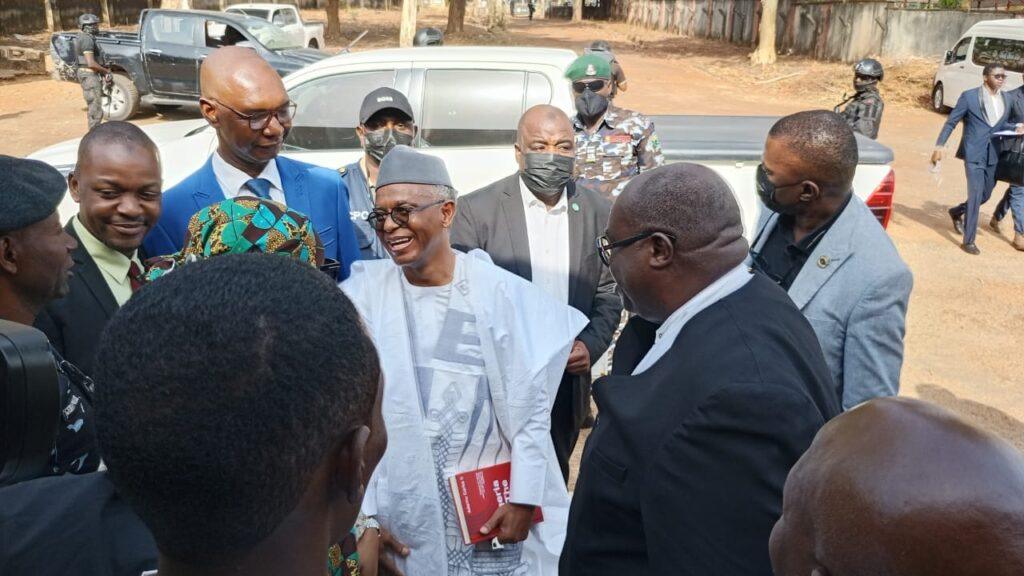
The presence of large crowds outside the courthouse during hearings underscores the level of public interest in the case. Supporters often gather to show solidarity, creating an atmosphere that is both charged and closely monitored by security agencies. To maintain order, authorities have deployed personnel from the Department of State Services and other security bodies, restricting movement in and around the court premises. The heavy security presence reflects concerns about potential unrest, as well as the importance of ensuring that proceedings are conducted without disruption.
El Rufai’s arrival at court has typically been accompanied by a convoy and security escorts, highlighting the sensitivity of the situation. Each appearance has drawn significant attention, with media coverage amplifying the broader national interest in the case. For many observers, the trial represents more than just a legal proceeding, serving as a test of the country’s commitment to accountability and the rule of law.
Despite the seriousness of the charges, El Rufai has consistently maintained his innocence, pleading not guilty to all counts. His legal team has expressed confidence that the allegations will not stand up to scrutiny in court, signaling their readiness to challenge the prosecution’s case at every stage. The outcome will ultimately depend on the evidence presented and the court’s interpretation of the law, but the stakes are undeniably high for all parties involved.
As the next hearing date approaches, attention will remain firmly fixed on Kaduna, where the case continues to unfold. The decision on the bail application will be a critical moment, potentially shaping the trajectory of the trial and influencing public perception. For now, the situation remains fluid, with legal arguments, political narratives, and public opinion all intersecting in a case that has captured the nation’s attention.
Read more on: Major Legal Setback as Court Orders SERAP to Pay ₦100 Million for Defaming DSS
In the broader context, the proceedings against El Rufai highlight ongoing efforts by anti corruption agencies to hold public officials accountable, while also raising important questions about due process and the balance between justice and political influence. As developments continue, the case is likely to remain a focal point of discussion, reflecting both the challenges and complexities of governance and accountability in Nigeria.
For residents of Kaduna and observers across the country, this is more than just a courtroom drama. It is a moment that could have lasting implications for the political landscape, shaping conversations about leadership, transparency, and the rule of law. With the next court date set and tensions still high, all eyes remain on what will happen next in this unfolding legal battle.
Read more on: