Tensions in the Middle East have intensified dramatically, marking a worrying turn in an already fragile geopolitical environment. As of Monday, April 20, 2026, what initially appeared to be a strategic enforcement of naval restrictions has escalated into a direct and dangerous confrontation between Iran and the United States. The situation has quickly evolved from a controlled maritime operation into an exchange of military force, raising fears of a broader regional conflict with global consequences.
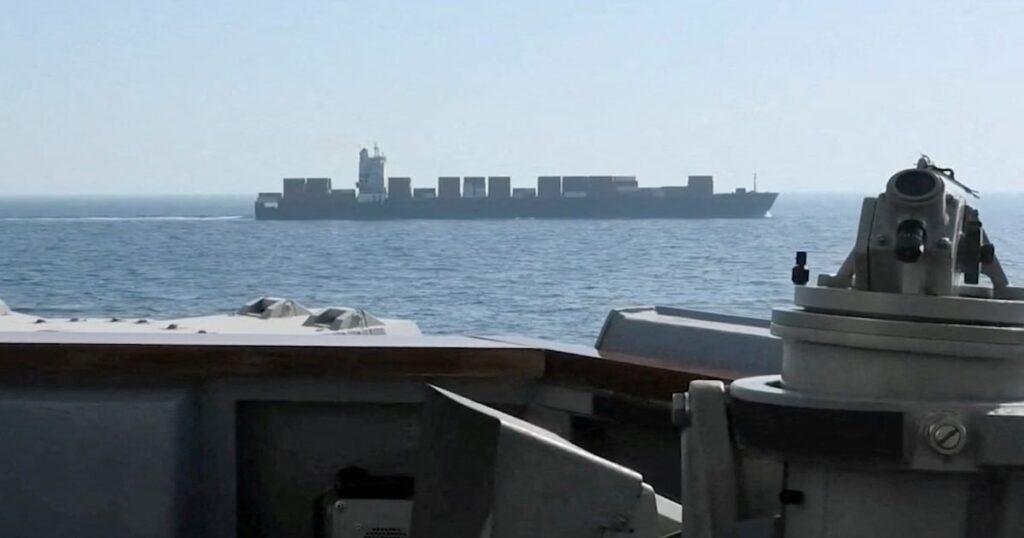
The chain of events began late on Sunday night in the Gulf of Oman, where the United States Navy intercepted an Iranian-flagged cargo vessel known as the Touska. According to statements from U.S. Central Command, the ship was suspected of attempting to bypass a recently established naval blockade targeting Iranian ports. This blockade, introduced just a week earlier, was part of a broader effort to exert pressure on Tehran amid ongoing tensions in the region.
The interception itself unfolded with a mix of warning and force. Footage later released by the U.S. Department of Defense showed American naval personnel issuing a direct order to the crew of the Touska, instructing them to vacate the engine room and prepare for potential disabling action. The warning made it clear that the U.S. forces were ready to take decisive steps if the vessel failed to comply. When the ship reportedly continued on its course, the situation escalated rapidly.
The USS Spruance, a guided missile destroyer operating in the area, fired its five inch MK 45 naval gun at the Touska. The strike successfully targeted the vessel’s engine room, rendering it inoperable and bringing it to a halt. The damage effectively neutralized the ship’s ability to continue its journey, allowing U.S. forces to proceed with the next phase of the operation.
Read more on: Benue Kidnapping: Gunmen Demand ₦9 Million per Passenger
Following the disabling strike, Marines deployed from the USS Tripoli carried out a boarding operation. They descended onto the Touska and secured control of both the vessel and its cargo. The operation was completed without publicly reported casualties, though details regarding the crew and the contents of the ship remain limited. President Donald Trump later addressed the incident on social media, describing the action as a decisive move that stopped the vessel in its tracks while hinting that authorities were examining what it had been transporting.
While the United States framed the interception as a necessary enforcement action, Iran viewed it in an entirely different light. Within hours of the seizure, Iranian officials and state affiliated media outlets condemned the move, describing it as an act of aggression and unlawful interference. The rhetoric quickly escalated, with Iranian representatives labeling the incident as a form of armed piracy and warning that it would not go unanswered.
That response came swiftly. According to reports from Iran’s Tasnim News Agency, the country’s armed forces launched a series of drone strikes targeting U.S. naval assets in the region. These unmanned aerial systems, often described as suicide drones due to their one way attack design, were deployed over the Sea of Oman in what appeared to be a calculated act of retaliation.
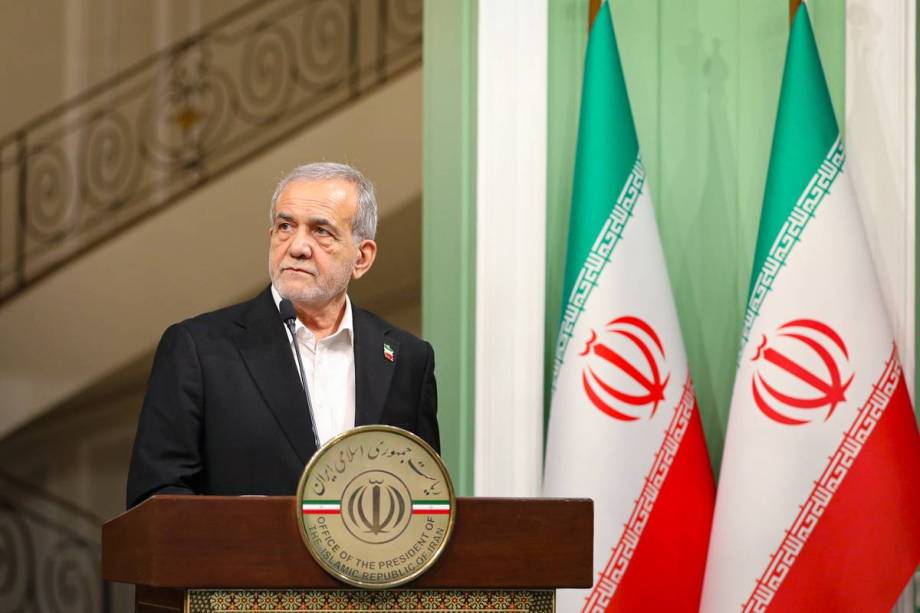
Iranian military spokesman Ebrahim Zolfaghari confirmed the operation, stating that the strikes were intended as a direct response to what Iran considered a hostile and unjustified act by the United States. He emphasized that Iran was prepared to use all available means to defend its maritime rights and protect its interests. The message was clear: any attempt to challenge Iranian vessels in this manner would be met with force.
Details about the impact of the drone strikes remain somewhat unclear. As of now, the United States has not released a comprehensive assessment of any damage sustained by its warships. Iranian sources, however, claim that the attacks successfully reached their intended targets and served as a strong signal of the country’s military capabilities and resolve. Regardless of the exact outcome, the mere fact that such an exchange has taken place marks a significant escalation in hostilities.
Read more on: Former Nigeria Football Federation Chief Dies as Details Emerge
One of the most immediate concerns arising from this confrontation is its effect on ongoing diplomatic efforts. Just weeks earlier, on April 7, a ceasefire agreement had been brokered with the assistance of Pakistan, aimed at reducing tensions and creating space for dialogue. That agreement now appears to be under serious threat. Iranian officials have already indicated that they are reconsidering their participation in upcoming peace talks scheduled to be held in Islamabad. The breakdown of this fragile truce could remove one of the few remaining channels for de escalation.
Beyond the immediate military implications, the ripple effects of this crisis are being felt across global markets and diplomatic circles. The energy sector, in particular, has reacted swiftly. Within hours of reports about the drone strikes, Brent crude oil prices surged by seven dollars per barrel. This spike reflects growing concerns about the stability of supply routes in the region, especially given the strategic importance of the Strait of Hormuz, through which a significant portion of the world’s oil passes.
Governments and international organizations are also responding with urgency. Pakistan, which played a central role in mediating the earlier ceasefire, has called for restraint from both sides. Officials have urged all parties involved to avoid further escalation and to return to diplomatic channels. The stakes are high, as any prolonged conflict in this region has the potential to disrupt global trade, energy supplies, and broader geopolitical stability.
The situation has also raised alarms within neighboring Gulf states. Iran has issued warnings that any additional strikes on its infrastructure could lead to retaliatory actions targeting critical facilities in the region, including power stations. Such a development would not only expand the scope of the conflict but also increase the risk of civilian impact and regional destabilization.
Amid all of this, it is important not to lose sight of the human cost associated with the ongoing tensions between the United States and Iran. Over the past year, the broader conflict has already resulted in significant loss of life. Updated figures indicate that more than three thousand people have died in Iran, while over two thousand three hundred casualties have been recorded in Lebanon. The United States has also suffered losses, with thirteen service members reported killed. These numbers serve as a sobering reminder of what is at stake if the current escalation continues unchecked.
Read more on: Bauchi PDP-APC Realignment Talks Collapse in Deadlock
As of late morning in West Africa Time, the situation remains highly volatile. The Touska is still in the custody of the U.S. Navy, and there are reports suggesting that additional American naval forces, including carrier strike groups, are being positioned closer to the area. This movement signals a readiness to respond to further developments, but it also adds to the tension, as increased military presence can heighten the risk of further confrontation.
The Strait of Hormuz has once again become the focal point of global attention. This narrow but strategically critical waterway has long been a flashpoint in U.S. Iran relations, and the current situation underscores its continued importance. Any disruption to traffic through this corridor could have far reaching implications, not only for the countries directly involved but for the global economy as a whole.
What makes this moment particularly concerning is the speed at which events have unfolded. In less than twenty four hours, the situation has moved from a single naval interception to a broader military exchange involving advanced weaponry. Such rapid escalation leaves little room for measured responses and increases the likelihood of miscalculation.
There is also a growing sense that both sides are deeply entrenched in their positions. The United States appears determined to enforce its maritime policies and maintain its presence in the region, while Iran is equally resolute in defending what it sees as its իրավունք and sovereignty. This combination of determination on both sides creates a scenario where backing down may be politically difficult, even if it is strategically desirable.
For observers around the world, the coming days will be critical. Diplomatic efforts will likely intensify as mediators attempt to salvage what remains of the ceasefire framework. At the same time, military forces will remain on high alert, prepared for the possibility of further exchanges. The balance between these two tracks, diplomacy and deterrence, will play a key role in determining how the situation evolves.
Read more on: Security forces uncover Lagos baby factory, rescue 18 women
In the broader context, this confrontation highlights the persistent volatility of the Middle East and the challenges of maintaining stability in such a complex environment. It also serves as a reminder of how quickly localized incidents can escalate into international crises, particularly when major powers are involved.
For now, the world watches closely, aware that each new development carries the potential to either ease tensions or push the region closer to a wider conflict. The events of April 20, 2026, may well be remembered as a turning point, one that tested the limits of diplomacy and underscored the fragile nature of peace in a region that has seen far too much conflict.
Read more on: